
What Size Dehumidifier Do I Need for a Garage?
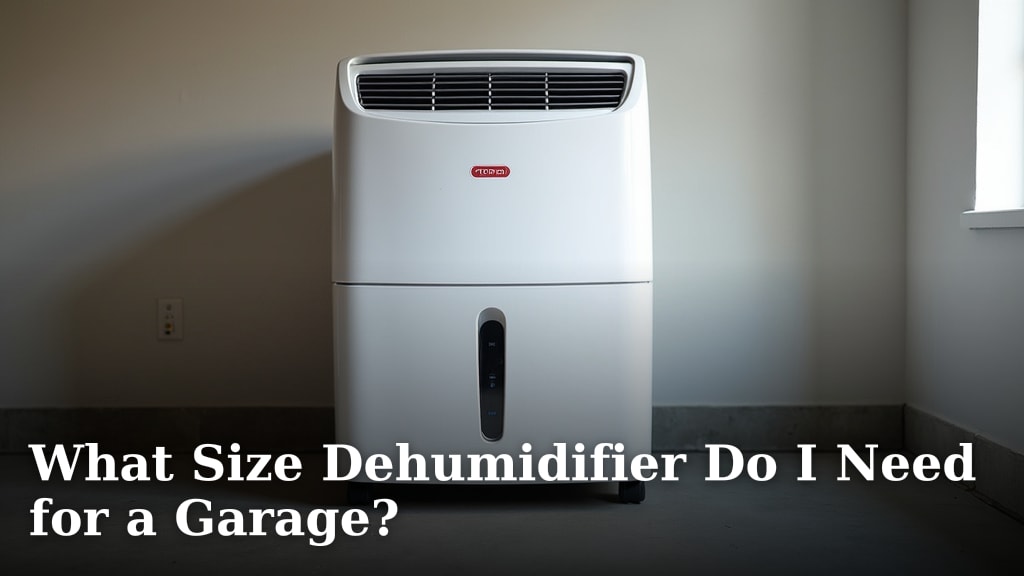
Choosing the right size dehumidifier for your garage is all about matching its moisture-removing capacity to your garage’s square footage and humidity levels. For most standard garages, a dehumidifier rated for For most standard garages, a dehumidifier rated for 1,500 to 2,500 square feet will likely do the trick, but understanding how large you need is key.1,500 to 2,500 square feet will likely do the trick. If your garage is particularly damp or larger, you might need a unit with a higher pint capacity, such as one designed for 3,000 square feet or more. Getting this right prevents mold and protects your stored items.
A garage is often a forgotten space when it comes to humidity control. This can lead to sticky tools, musty smells, and even damage to stored belongings. We found that selecting a dehumidifier based on simple room size is the most effective starting point. Considering the expected dampness and the items you store will help you make the best choice for your garage’s environment.
- Garage dehumidifier size depends on square footage and humidity.
- A 1,500-2,500 sq ft unit often works for standard garages.
- Consider larger units for very damp or spacious garages.
- Proper sizing protects stored items from moisture damage.
- Don’t forget to check the pint capacity for performance.
Let’s walk through exactly how to figure out the best size for your garage, so you can get back to enjoying a dry, usable space.
Choosing the Right Dehumidifier Capacity for Your Garage
Deciding on the right dehumidifier size for your garage boils down to a few key factors. You want to effectively remove moisture without overspending on a unit that’s too large or getting one that’s too small and ineffective. We found that understanding the pint capacity and how it relates to your garage’s space is the most important step.
Understanding Dehumidifier Pint Capacity
When you look at dehumidifiers, you’ll see a number followed by “pints.” This number tells you how many pints of water the dehumidifier can remove from the air in a 24-hour period under specific test conditions. Think of it like a water bucket; the higher the pint number, the bigger the bucket and the more moisture it can hold before needing to be emptied.
These ratings are typically based on standards set by the Association of Home Appliance Manufacturers (AHAM). They test units under specific temperature and humidity levels (80°F and 60% relative humidity). What you experience in your garage might be different, so it’s good to understand this is a standardized measure.
Assessing Your Garage’s Moisture Levels
Your garage’s humidity level is the biggest driver for choosing a dehumidifier’s capacity. Is it just a little sticky in the summer, or does it feel like a swamp after a rain? We’ve seen that a garage’s moisture source can be varied. It can come from outside humidity seeping in, cars bringing in rain or snow, or even stored items like damp firewood or gardening equipment.
Identifying Common Moisture Sources
Common culprits for a damp garage include:
- Poor ventilation, trapping humid air.
- Cracks in the foundation or walls allowing moisture in.
- Attached garages sharing air with your home.
- Storing wet items like sports gear or muddy boots.
- Ground moisture if your garage slab is below grade.
Many experts say that a garage is often an uninsulated space, which means it’s more susceptible to outside temperature and humidity fluctuations. This can make moisture management a challenge.
Factors That Increase Humidity
Consider these points:
- Climate: Do you live in a humid region?
- Season: Summers are typically more humid than winters.
- Below-grade location: If your garage floor is lower than ground level, it’s prone to more moisture.
- Attached vs. Detached: Attached garages can sometimes draw in humidity from your home.
- Insulation: Uninsulated garages will be more affected by outdoor conditions.
Determining Your Garage’s Square Footage
The size of your garage is a fundamental piece of information. You’ll need to measure its length and width to calculate the square footage. Simply multiply the length by the width. For example, a 20-foot by 24-foot garage is 480 square feet (20 x 24 = 480).
Once you have this number, you can start matching it to dehumidifier capacities. Dehumidifier manufacturers often provide guidelines based on square footage. However, we found that square footage is just one part of the puzzle; you must combine it with your humidity assessment.
Matching Dehumidifier Size to Your Garage Needs
Now, let’s put it all together. We can use your garage’s square footage and its typical dampness to select the right dehumidifier. This helps ensure you get efficient moisture removal without overdoing it.
General Sizing Guidelines (Pints Per Day)
Here’s a common breakdown that many sources suggest. Remember, these are starting points and can be adjusted based on how damp your garage truly is.
| Garage Size (Sq Ft) | Low Humidity (Damp) | Medium Humidity (Moist) | High Humidity (Very Damp) |
|---|---|---|---|
| Up to 500 | 10-15 pints | 15-20 pints | 20-25 pints |
| 500 – 1,000 | 15-20 pints | 20-30 pints | 30-40 pints |
| 1,000 – 1,500 | 20-30 pints | 30-40 pints | 40-50 pints |
| 1,500 – 2,500 | 30-40 pints | 40-50 pints | 50-65 pints |
| 2,500 – 3,000 | 40-50 pints | 50-65 pints | 65-70 pints |
As you can see, a standard 2-car garage (around 400-500 sq ft) might only need a 10-20 pint unit if it’s only slightly damp. But if that same garage is quite wet, you might need a 25-pint model. Many homeowners with a typical 2-car garage often find units rated for 1,500 to 2,500 sq ft (which usually have capacities of 30-50 pints) are a good fit, even if their garage is smaller, to handle moderate to high humidity.
When to Size Up
If your garage is exceptionally damp, consider sizing up your dehumidifier. This means choosing a unit with a higher pint capacity than the table suggests for your square footage. For instance, if your garage is 1000 sq ft and feels very damp, aiming for a 40-50 pint model is wise. This ensures the unit doesn’t run constantly and can effectively lower the humidity.
When Sizing Down Might Be Okay
If your garage is exceptionally dry, or if it’s an attached, well-insulated space that stays relatively temperate, you might get away with a slightly smaller unit. However, we found it’s usually better to have a little extra capacity than not enough. It’s less wear and tear on the machine, too.
Considering Other Dehumidifier Features
Beyond the pint capacity, several features can enhance your dehumidifier’s performance in a garage setting.
Drainage Options
Most garage dehumidifiers have a water tank that needs to be emptied. However, many larger units offer a continuous drainage option. This typically involves attaching a hose to the unit and running it to a floor drain or sump pump. This is a game-changer for garages, as it means you won’t have to manually empty a heavy, full tank every day or two. It’s especially useful if your garage is prone to high humidity.
Humidistat Control
A built-in humidistat is a fantastic feature. It allows you to set your desired humidity level. The dehumidifier will then automatically turn on and off to maintain that level. This is more energy-efficient than a unit that runs constantly and ensures your garage stays at a comfortable humidity, typically between 40-50%.
Low-Temperature Operation
Garages can get cold, especially in winter. Standard dehumidifiers are designed for warmer household temperatures. If your garage drops below 65°F, you might need a dehumidifier with low-temperature operation capabilities. These units are designed to work effectively even in cooler conditions, preventing frost buildup on the coils.
A Quick Checklist for Your Garage Dehumidifier Search
To summarize, here’s what you should think about:
- Measure your garage’s square footage accurately.
- Assess how damp your garage typically gets.
- Consult the pint capacity chart for a starting point.
- Consider a larger pint capacity for very damp or large garages.
- Look for continuous drainage if you want less maintenance.
- Check for low-temperature operation if your garage gets cold.
Conclusion
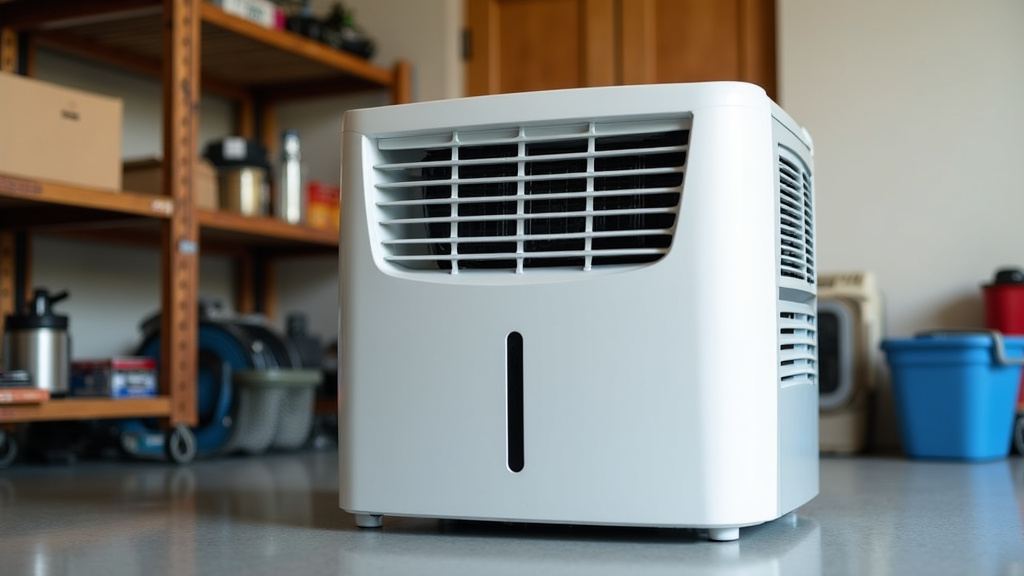
You’ve learned that selecting the right size dehumidifier for your garage is key to keeping it dry and protecting your belongings. It’s all about matching the unit’s pint capacity to your garage’s square footage and how damp it actually gets. Don’t forget to consider factors like your local climate, insulation, and potential moisture sources. By following these guidelines, you can confidently choose a unit that keeps your garage fresh. Take the measurements and assessments we discussed, and you’ll be well on your way to a moisture-free space.
Frequently Asked Questions
How often should I empty my garage dehumidifier?
This depends entirely on the unit’s pint capacity and how humid your garage is. Smaller units in damp garages might need emptying daily. Larger units or those with continuous drainage can run for much longer periods without manual intervention. We recommend checking the tank regularly at first to get a feel for its capacity in your specific environment.
Can I use a standard home dehumidifier in my garage?
You can, but it might not be ideal, especially if your garage gets very cold. Standard home dehumidifiers are often designed for warmer indoor temperatures and may not operate efficiently below 65°F. Look for units specifically mentioning low-temperature operation if your garage frequently drops below this threshold.
Will a dehumidifier make my garage smell better?
Yes, a dehumidifier can significantly improve garage odors. Musty smells are often caused by mold and mildew, which thrive in damp conditions. By reducing humidity, you remove the environment these organisms need to grow, thus eliminating the source of many unpleasant smells.
What is the difference between a “portable” and a “whole-house” dehumidifier for a garage?
A portable dehumidifier is a standalone unit you place in your garage, like the ones discussed here. A whole-house dehumidifier is integrated into your HVAC system and conditions the entire home. For most garages, a dedicated portable unit is more practical and cost-effective.
Do dehumidifiers use a lot of electricity in a garage?
Dehumidifier energy consumption varies by size and efficiency. Larger units will use more power. Using the humidistat control to maintain a set humidity level rather than running constantly will help save energy. Choosing an Energy Star-rated model can also reduce electricity costs.
