Can You Use a Dehumidifier in Winter?
On this page (3 sections)
Yes, you can use a dehumidifier in winter, and for many homes, it’s actually quite beneficial to do so. You might think dry winter air means no need for one, but that’s not always true.
We found that winter brings its own set of humidity challenges, especially with heating systems running. If you notice dampness, musty smells, or condensation on your windows, a dehumidifier can help keep your indoor air comfortable and healthy. It’s all about maintaining that ideal humidity balance in your home.
- Dehumidifiers are helpful in winter.
- Heating can still create indoor humidity issues.
- Look for signs like condensation or musty smells.
- Aim for optimal indoor humidity levels.
Let’s dive into why a dehumidifier might be exactly what your home needs during the colder months, and how to use it effectively.
Why Winter Dehumidification Matters
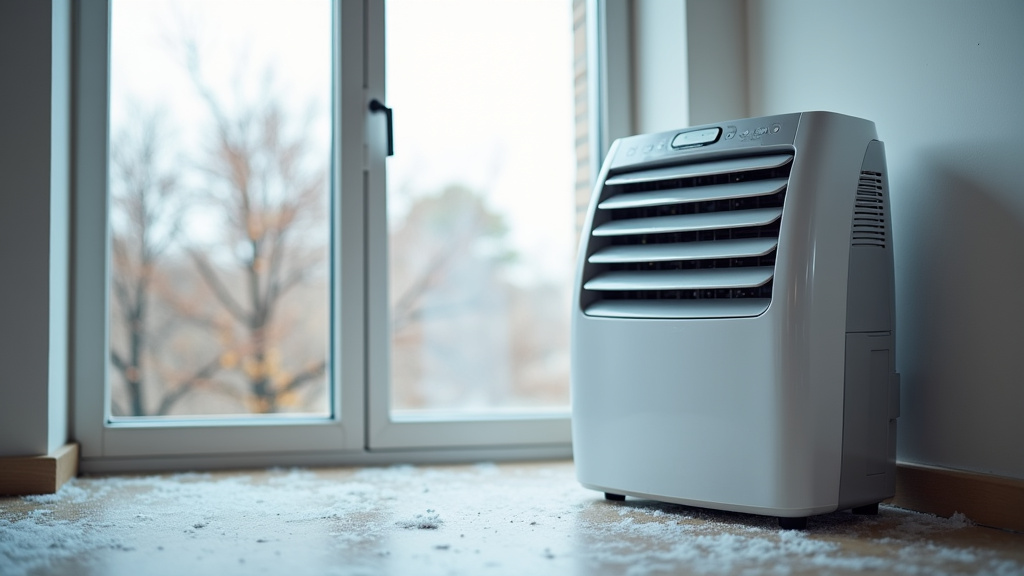
Yes, running a dehumidifier in winter is often a smart move. You might think the cold weather naturally dries things out, but inside your home, it’s a different story. We found that heating systems can actually contribute to humidity problems, especially in certain areas of your house.
Picture this: you’re cozy indoors while it’s freezing outside. Your furnace or heater is working hard, creating a warm, sometimes muggy environment. This warmth can hold a surprising amount of moisture. That’s where a dehumidifier steps in to keep your air feeling fresh and healthy.
The Surprising Sources of Winter Humidity
Where does all this indoor moisture come from? It’s not just leaky pipes. Everyday activities add a lot more water vapor to your home than you might realize.
Everyday Home Activities
Think about your morning routine. Taking a hot shower releases a lot of steam into the air. Cooking on the stove, especially boiling water or simmering soups, also adds significant moisture. Even something as simple as drying clothes indoors on a rack can turn your laundry room into a steamy jungle.
- Long, hot showers or baths.
- Boiling water for cooking meals.
- Using dishwashers and washing machines.
- Drying clothes indoors without proper ventilation.
- Even breathing and sweating add moisture!
Structural and Environmental Factors
Beyond daily habits, your home’s structure plays a role too. Basements and crawl spaces are notorious for trapping moisture. If your home has poor ventilation, especially in bathrooms or kitchens, that humid air has nowhere to go. It just hangs around, making your home feel damp and uncomfortable.
Recognizing the Signs of High Indoor Humidity
How do you know if your home is too humid in winter? Your house will often give you clues. Pay attention to what you see, smell, and even feel. These signs are your home’s way of telling you it needs a little help balancing its moisture levels.
Visible Indicators
One of the most common signs is condensation on windows. If your windows are constantly fogged up or have water droplets running down them, that’s a clear signal. You might also notice dark spots or discoloration on walls or ceilings, which could be mold starting to form. We found that water stains are another tell-tale sign of excess moisture.
Sensory Cues
Beyond what you see, trust your nose. A persistent musty or mildewy smell is a strong indicator of high humidity and potential mold growth. Does your home feel clammy or sticky, even when it’s not particularly warm? That damp feeling is another sign. You might also find that items like books or clothing feel slightly damp to the touch.
The Downside of Winter Dampness
So, you’ve identified some of these signs. Why should you care? High indoor humidity in winter isn’t just uncomfortable; it can lead to several problems for your home and your health. Nobody wants a damp, unhealthy living space.
Impact on Home and Belongings
Excess moisture can wreak havoc on your home. It can warp wooden floors, damage furniture, and peel paint or wallpaper. Over time, it can even lead to structural damage. Your electronics might not function as well, and stored items, especially in basements, can be ruined by mold and mildew. Protecting your investment means managing your home’s humidity.
Health Concerns
Beyond damage, high humidity can affect your health. We found that it creates an ideal environment for mold and mildew to thrive (Environmental Protection Agency). These can trigger allergies, asthma, and other respiratory issues. Dust mites also love humid conditions. If you or your family members are experiencing unexplained coughing, sneezing, or skin irritation, humidity could be a factor.
Optimal Humidity Levels for Winter
What’s the sweet spot for indoor humidity in winter? You’re aiming for a balance. Too high, and you get the problems we just discussed. Too low, and you can experience dry skin, irritated sinuses, and static electricity. Many experts suggest keeping indoor relative humidity between 30% and 50% during the colder months (American Society of Heating, Refrigerating and Air-Conditioning Engineers).
| Humidity Level | Potential Issues | Recommendation |
|---|---|---|
| Above 50% | Mold/mildew growth, dust mites, musty odors, condensation, structural damage. | Consider using a dehumidifier. |
| 30% – 50% | Optimal comfort, healthy air quality, reduced allergens. | Maintain this range. |
| Below 30% | Dry skin, irritated sinuses, static electricity, damage to wood. | Consider using a humidifier. |
Choosing and Using Your Winter Dehumidifier
Ready to tackle that winter dampness? Selecting the right dehumidifier and using it effectively can make a big difference. It’s not a set-it-and-forget-it appliance, but it’s not overly complicated either.
Selecting the Right Model
Dehumidifiers come in various sizes, measured by how many pints of water they can remove in 24 hours. Consider the size of the area you need to treat. A small unit might be fine for a single room, but a larger capacity is better for a whole basement or an entire floor. Energy Star certified models are a good choice; they save you money on electricity in the long run.
Strategic Placement and Maintenance
Where you place your dehumidifier matters. Put it in the dampest areas first, like your basement, laundry room, or a poorly ventilated bathroom. Keep it away from walls and furniture to allow for good airflow. Remember to regularly empty the water collection tank, or better yet, connect it to a drain hose for continuous operation. Cleaning the air filter every few weeks is also crucial for efficiency and air quality.
Here’s a quick checklist for winter dehumidifier use:
- Place your dehumidifier in the dampest room.
- Ensure good airflow around the unit.
- Set the desired humidity level between 30-50%.
- Empty the water tank regularly or use a drain hose.
- Clean the air filter every 2-3 weeks.
- Monitor humidity levels with a hygrometer.
Addressing Common Misconceptions
Let’s clear up some common thoughts you might have. You might think dehumidifiers only work in summer, or that cold air just naturally dries everything. These are common beliefs, but they don’t quite tell the whole story.
For example, some believe that running a dehumidifier in winter will just make your home even colder. We found this isn’t usually true. Dehumidifiers generate a little bit of heat as they run, so they might even warm your space slightly, not cool it down. Plus, removing moisture can actually make the air feel less clammy and more comfortable at the same temperature.
Another myth is that if you don’t see visible condensation, you don’t have a humidity problem. But remember those musty smells or that damp feeling? Those are signs that the humidity is there, even if it hasn’t condensed on your windows yet. It’s working silently, potentially causing damage or discomfort. Being proactive can save you a lot of hassle later on.
Conclusion
As we’ve seen, using a dehumidifier in winter is often essential for a healthy home. You now know that heating systems and daily activities can create surprising amounts of indoor humidity. By understanding the signs of dampness and aiming for that ideal 30-50% humidity range, you can protect your home and your health. Don’t let winter dampness go unchecked. Take control of your indoor air quality by choosing the right dehumidifier and maintaining it properly. Your home and your well-being will thank you for it. When the season ends, prepare the unit with these winter storage steps.
Frequently Asked Questions
Will a dehumidifier raise my electric bill a lot in winter?
Running a dehumidifier does use electricity, but many modern units are Energy Star certified. These are designed to be more efficient. The cost largely depends on your unit’s size and how often it runs, but the benefits of preventing mold and damage often outweigh this expense.
Can I use a dehumidifier and a humidifier at the same time in different parts of my house?
Yes, you absolutely can. For instance, you might need a dehumidifier in a damp basement and a humidifier upstairs if your living areas feel too dry. The key is to monitor the humidity in each specific zone to maintain optimal levels.
What’s the best way to know my home’s exact humidity level?
The most accurate way is to use a hygrometer. Many dehumidifiers have one built-in, but you can also purchase an inexpensive standalone digital hygrometer. Place it in the room where you want to measure humidity for the most accurate reading.
Should I open windows instead of using a dehumidifier to reduce winter humidity?
While opening windows can help with ventilation, it’s not always the best solution in winter. This can let in cold, dry air, making your heating system work harder and increasing energy costs. A dehumidifier offers more controlled and efficient moisture removal without significant heat loss.
How often should I clean my dehumidifier’s filter?
We recommend cleaning your dehumidifier’s air filter every 2-3 weeks, especially if the unit runs frequently. A clean filter ensures optimal performance and efficiency. It also helps prevent dust and allergens from circulating in your home’s air.