
How to Dehumidify a Laundry Room?
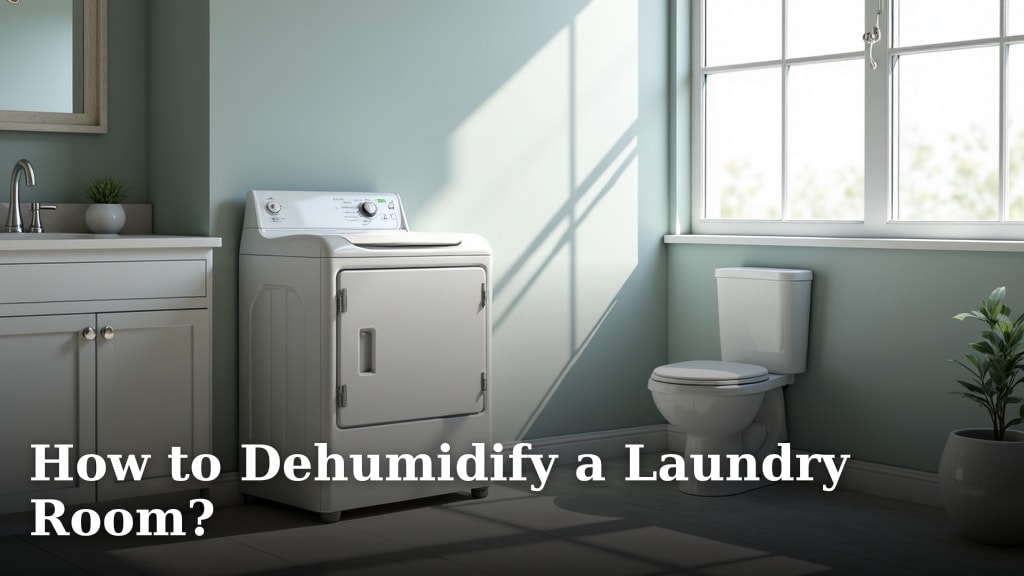
The easiest way to dehumidify a laundry room is to use a dehumidifier specifically designed for the space. This will help control moisture and prevent common laundry room problems like mold and mildew. You can also improve airflow and ensure your dryer vents properly. Using a dehumidifier can help prevent mold growth in your laundry room.
A damp laundry room can feel like a sauna. This is often due to the moisture released from your washer and dryer. Excess humidity can lead to a musty smell and even damage your home. Thankfully, there are several effective ways to tackle this problem head-on.
- Use a portable dehumidifier.
- Ensure your dryer vent is clear.
- Improve room ventilation.
- Consider a whole-house solution.
Let’s walk through exactly how you can make your laundry room a much drier, more pleasant space!
Tackling Laundry Room Dampness: Your Guide to a Drier Space
Dealing with a humid laundry room can feel like stepping into a tropical greenhouse. You might be wondering why it’s so damp. It’s usually a combination of factors. Your washing machine releases moisture during its cycles. Your dryer, even when venting outside, can contribute to humidity. This excess moisture isn’t just uncomfortable. It can lead to unpleasant odors and even damage your home over time.
Portable Dehumidifiers: Your First Line of Defense
A portable dehumidifier is often the quickest and most effective solution for a damp laundry room. Think of it as a personal air conditioner for moisture. These units pull water vapor right out of the air. This leaves your laundry room feeling much more comfortable and smelling fresher.
Choosing the Right Size Dehumidifier
Selecting the correct size is important. A unit that’s too small won’t keep up with the moisture. One that’s too large might cycle too often. This can be inefficient. You’ll want to consider the square footage of your laundry room. Dehumidifier manufacturers provide sizing charts. These help you match the unit to your space.
For most standard laundry rooms, a 30-pint or 50-pint dehumidifier is usually sufficient. If your room is particularly large or prone to extreme dampness, you might need a larger model. We found that units with adjustable humidistats are best. They allow you to set your desired humidity level. This prevents the unit from running unnecessarily.
Understanding Dehumidifier Features
Look for a dehumidifier with an auto-shutoff feature. This is a safety and convenience measure. It stops the unit when the water tank is full. Many units also offer an option for continuous drainage. This means you can connect a hose. The water can then drain directly into a floor drain or sink. This eliminates the need to empty the tank manually. We found this feature incredibly helpful.
Some dehumidifiers also come with washable air filters. Keeping the filter clean ensures the unit runs efficiently. It also helps maintain good air quality. Remember to check the filter regularly. Clean or replace it as needed. A clogged filter means less moisture removal.
Where to Place Your Dehumidifier
Proper placement is key to maximizing your dehumidifier’s effectiveness. You’ll want to place it in the center of the room if possible. This allows for better air circulation. Ensure there’s adequate space around the unit. Don’t block the air intake or outlet vents. Keep it away from walls or large furniture. This allows the air to flow freely.
Also, make sure it’s on a level surface. This prevents water from sloshing. It also ensures the internal components work correctly. Many experts recommend placing it away from direct heat sources. This is for safety and efficiency.
The Critical Role of Your Dryer Vent
Your clothes dryer is a major source of moisture. While it’s designed to vent outside, a blocked or damaged vent can send that moisture right back into your laundry room. This is a common culprit for dampness. Keeping your dryer vent clean is non-negotiable.
Signs of a Clogged Dryer Vent
How do you know if your vent is the problem? There are a few tell-tale signs. You might notice your clothes are still damp after a full drying cycle. Your laundry room may feel unusually hot and humid. You might even smell a burning odor. Lint buildup around the dryer or vent opening is another clue.
The U.S. Fire Administration (USFA) notes that lint buildup is a leading cause of dryer fires. Regular cleaning is essential for both safety and performance. A clogged vent makes your dryer work harder. This uses more energy and can shorten its lifespan. It also traps moisture, making your room damp.
How to Clean Your Dryer Vent
Cleaning your dryer vent is a task you can often do yourself. First, unplug your dryer. Then, pull it away from the wall. Disconnect the vent hose from the dryer. Use a vacuum cleaner with a crevice tool to remove lint from the dryer’s exhaust port. Be thorough.
Next, use a specialized dryer vent cleaning brush kit. These kits are available at most hardware stores. They have flexible rods that screw together. You attach a brush to the end. You can then feed this into the vent ductwork. Rotate the brush as you push it through. This dislodges lint and debris. Work from both the dryer end and the exterior vent opening if possible.
Finally, clean the exterior vent hood. Remove any lint buildup from the flap or screen. Reconnect the vent hose securely. Plug your dryer back in. We recommend doing this at least once or twice a year. For homes with frequent dryer use, more often might be necessary.
Boosting Your Laundry Room’s Ventilation
Good airflow is your friend when it comes to moisture control. If your laundry room is a closed-off space, moisture can get trapped easily. Improving ventilation helps dissipate that humid air.
Simple Ventilation Improvements
Start with the basics. Ensure you have a properly functioning exhaust fan in your laundry room. If it’s not vented to the outside, consider upgrading it. Many building codes require this. If your room doesn’t have a fan, you can install one. This is a great investment for humidity control.
Open the door to your laundry room whenever possible. This allows air from other parts of your home to circulate. Even a few hours a day can make a difference. If you have a window, open it on dry days. This allows moist air to escape and fresh air to enter.
Consider adding a small, quiet fan. A simple oscillating fan can help move air around the room. This aids in drying clothes faster and dissipating moisture. It’s a low-cost way to improve air circulation significantly. Position it to blow air towards the open door or window.
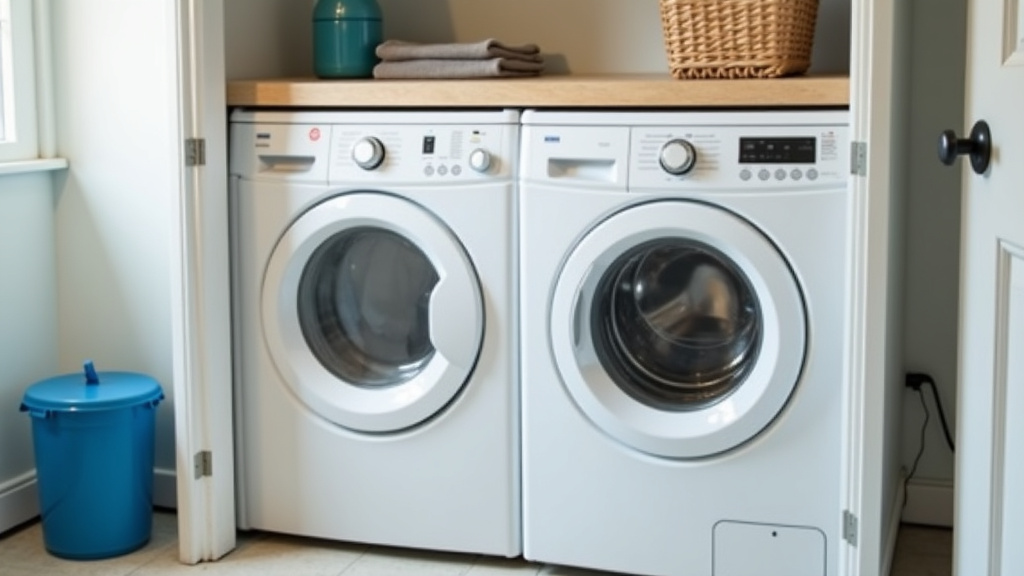
When to Consider Whole-House Solutions
Sometimes, the laundry room humidity is a symptom of a larger issue. If you’re struggling with dampness in multiple areas of your home, it might be time for a bigger solution.
Whole-House Dehumidifiers
Whole-house dehumidifiers are integrated into your HVAC system. They work to control humidity throughout your entire home. This is a more permanent and efficient solution for persistent problems. They are often installed by HVAC professionals.
These systems are very effective. They can maintain a consistent, comfortable humidity level year-round. While the initial cost is higher, they can save you money in the long run. They reduce the strain on your air conditioner. They also prevent widespread mold and mildew issues. The Centers for Disease Control and Prevention (CDC) recommends keeping indoor humidity levels between 30% and 50%. A whole-house system helps achieve this.
Maintaining a Dry Laundry Room: A Quick Checklist
Keeping your laundry room dry doesn’t have to be complicated. Here’s a simple checklist to help you maintain a comfortable space:
- Check and clean your dryer vent at least twice a year.
- Empty your portable dehumidifier’s tank regularly, or set up continuous drainage.
- Ensure your dehumidifier is the correct size for your laundry room.
- Keep the laundry room door open when possible to improve airflow.
- Use your exhaust fan during and after laundry cycles.
- Inspect for any signs of leaks from your washing machine.
Conclusion
You’ve learned that a damp laundry room doesn’t have to be a persistent problem. By implementing a few key strategies, you can transform your laundry space into a dry, comfortable area. Remember to prioritize your dehumidifier’s placement and maintenance. Always keep your dryer vent clear for both safety and efficiency. Improving air circulation is also a simple yet effective step. Take action today by choosing the best solution for your specific needs. You’ll soon enjoy a fresher, healthier laundry environment!
Frequently Asked Questions
How often should I empty my dehumidifier?
This depends on the model and how much moisture is in your room. Many portable dehumidifiers have tanks that need emptying every 1-2 days. If yours has a continuous drain option, you can connect a hose to a drain. This eliminates the need for manual emptying.
Can a dehumidifier help with laundry smells?
Yes, a dehumidifier can significantly reduce musty or damp smells. By removing excess moisture, it creates an environment where mold and mildew—the common sources of these odors—cannot thrive. This leaves your laundry room smelling much fresher.
Is a portable dehumidifier enough for a large laundry room?
For larger laundry rooms, you might need a larger capacity portable dehumidifier. Check the manufacturer’s recommendations for square footage. If a single unit struggles, you may need to consider a more powerful model or explore whole-house solutions for consistent humidity control.
How do I know if my dryer vent is truly clean?
A clean dryer vent allows air to flow freely. Signs of a clogged vent include longer drying times, a hot dryer drum, and excess humidity in the laundry room. You should also see lint only at the exterior vent opening, not accumulating around the dryer.
What humidity level is ideal for a laundry room?
The ideal indoor humidity level is generally between 30% and 50%. In a laundry room, aiming for the lower end of this range can help prevent moisture-related issues. Using a hygrometer can help you monitor and maintain this level with your dehumidifier.
