
Can I Plug Dehumidifier into Power Strip?
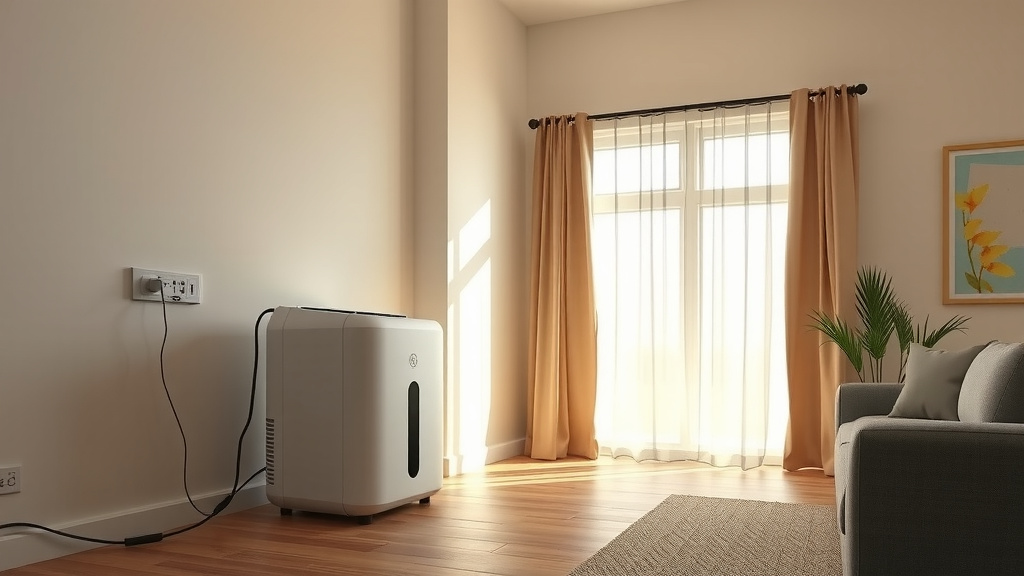
No, you generally should not plug a dehumidifier into a power strip.
Dehumidifiers draw substantial power, which can easily overload a power strip and create a serious fire hazard.
- It’s best practice to **avoid power strips** for dehumidifiers.
- Always plug your dehumidifier **directly into a wall outlet**.
- Check your dehumidifier’s wattage to **understand its power demands**.
- An overloaded power strip can **cause overheating and fire**.
Can I Plug Dehumidifier into Power Strip?
The short answer is a clear no. You should not plug your dehumidifier into a power strip. This is a common question, and we want to help you keep your home safe.
Why Power Strips and Dehumidifiers Don’t Mix
Dehumidifiers are power-hungry appliances. Think of them like a mini-refrigerator or a vacuum cleaner running for long periods. They need a lot of electricity to do their job properly. A standard power strip is simply not built to handle this **continuous high power draw** (Underwriters Laboratories).
Understanding Electrical Load
Every electrical item you plug in adds to the load on an outlet. Power strips are typically for low-wattage devices like phone chargers or lamps. When you connect a dehumidifier, you’re asking the power strip to manage a **much heavier electrical load** than it’s designed for. This can quickly lead to trouble.
The Dangers of Overloading
What happens when you ask too much from a power strip? It gets hot. Really hot. Overheating is a major risk when you plug a dehumidifier into a power strip. This can cause severe damage, a fire, or even an electrical shock. Your safety and home protection are paramount.
What Happens When You Overload?
An overloaded power strip can show several warning signs. You might notice a burning smell, feel the strip getting warm, or see lights flickering. These are red flags that the strip is struggling. Ignoring these signs can lead to dangerous situations, including a **house fire** (National Fire Protection Association).
- You might smell a **burning plastic odor**.
- The power strip or plug feels **hot to the touch**.
- Lights on the power strip or in the room may **flicker or dim**.
- The circuit breaker in your home may **frequently trip**.
- There could be **visible discoloration or melting** on the strip.
Understanding Your Dehumidifier’s Power Needs
Every dehumidifier has a power rating, usually in watts or amps. This information is typically found on a label on the back or bottom of the unit. A typical dehumidifier can draw anywhere from 300 to 700 watts or even more. This is a **significant amount of power** for a single appliance.
Wattage and Amperage Explained
Wattage tells you how much power an appliance consumes. Amperage indicates the flow of electrical current. Power strips have limits for both. Exceeding these limits is where the danger starts. Always check your dehumidifier’s specifications and compare them to the power strip’s ratings. In nearly all cases, a direct wall plug is necessary.
Choosing the Right Outlet
So, if not a power strip, then what? Always plug your dehumidifier directly into a dedicated wall outlet. A dedicated outlet means it’s not sharing power with many other high-demand appliances. This ensures your dehumidifier gets the power it needs safely without risking an overload.
Identifying a Dedicated Circuit
Sometimes, a single wall outlet is on its own dedicated circuit. This is ideal for high-power appliances like dehumidifiers. If you’re unsure, look at your circuit breaker panel. Circuits are often labeled. If you have any doubts, consult with a **licensed electrician for clarity**.
Extension Cords: Another Caution
You might think an extension cord is a good substitute, but that’s also generally not recommended. Most standard extension cords are not rated for the continuous, heavy electrical load of a dehumidifier. Like power strips, they can overheat and pose a **fire risk when used improperly**.
When an Extension Cord is Absolutely Necessary
In rare situations where a direct outlet isn’t possible, use an extension cord rated for heavy-duty appliance use. It must be a heavy-gauge cord (like 12-gauge or 14-gauge), as short as possible, and not coiled. Still, this should be a last resort and not a permanent solution for your dehumidifier setup.
Safety Tips for Dehumidifier Use
Using a dehumidifier effectively and safely involves more than just plugging it in correctly. Regular maintenance and proper placement are also key. Following these simple guidelines will help your unit run efficiently and keep your home protected. We want you to enjoy the benefits of drier air without any worries.
| Feature | Power Strip | Direct Wall Outlet |
|---|---|---|
| Max Wattage | Low (typically 1875W) | High (up to 1875W per circuit) |
| Overload Risk | High with dehumidifier | Low with proper circuit |
| Fire Hazard | Significant with dehumidifier | Minimal when used correctly |
| Best Use For | Low-power electronics | High-power appliances |
What About Surge Protectors?
A surge protector sounds like a good idea for electronics, right? While surge protectors protect against power spikes, they are still a type of power strip. They are not designed for the continuous high power draw of a dehumidifier. Your dehumidifier still needs to be plugged directly into a wall outlet to prevent **overheating and potential hazards** (Electrical Safety Foundation International).
Checking the Power Cord
Always inspect your dehumidifier’s power cord regularly. Look for any signs of fraying, cuts, or discoloration. A damaged cord can be a fire risk or cause an electrical short. If you find any damage, have the cord replaced by a qualified technician or consider replacing the unit. Cord integrity is vital.
Regular Maintenance Checks
Beyond the plug, regular maintenance keeps your dehumidifier running safely. Clean the air filter often, usually every two weeks, to ensure good airflow. Check the water bucket for cracks or leaks. A well-maintained unit is a **safer and more efficient unit**.
Monitoring Humidity Levels
Keep an eye on the humidity levels in your home. Most experts recommend keeping indoor humidity between 30% and 50%. This not only prevents mold growth but also means your dehumidifier isn’t constantly running on overdrive. Using a hygrometer helps you **monitor levels accurately** (Environmental Protection Agency).
Dehumidifier Safety Checklist
- Plug directly into a wall outlet.
- Ensure the outlet is on a **dedicated circuit** if possible.
- Avoid using **power strips or standard extension cords**.
- Regularly inspect the power cord for damage.
- Clean the air filter and empty the water bucket often.
- Maintain indoor humidity between 30-50%.
Conclusion
When it comes to plugging in your dehumidifier, remember that safety comes first. Power strips are simply not designed for the heavy and continuous electrical load of these appliances. Always choose a direct wall outlet for your dehumidifier to prevent potential overheating, electrical faults, and fire risks. Taking this small but important step will help ensure your home remains safe and your dehumidifier works effectively. We want you to breathe easier knowing you’ve made the right choice.
Can a dehumidifier share an outlet with other appliances?
It’s generally not recommended for a dehumidifier to share an outlet with other high-power appliances. If you must share an outlet, ensure the other items are very low wattage, like a small lamp. Overloading a single outlet can trip a breaker or cause dangerous overheating, so always check the combined power draw of all devices.
What if my dehumidifier automatically shuts off sometimes?
If your dehumidifier often shuts off, it could be for a few reasons. It might be due to an overloaded circuit (if you’re using a power strip or have too many devices plugged into the same circuit), the water bucket being full, or even issues with the unit itself, like a dirty filter. Always check the easiest fixes first, like emptying the bucket or cleaning the filter.
Are all power strips dangerous for dehumidifiers?
Yes, all standard power strips and most surge protectors are dangerous for dehumidifiers. While some very heavy-duty industrial power bars exist, they are not typical household items and even then, usually not recommended for continuous high-draw appliances like a dehumidifier. It’s always safest to plug directly into a wall outlet.
How can I tell if my wall outlet is safe for a dehumidifier?
A safe wall outlet for a dehumidifier should be a standard 3-prong grounded outlet. Ideally, it should be on its own dedicated circuit. If the outlet feels loose, looks discolored, or shows any signs of damage, do not use it. Consider having an electrician inspect your home’s wiring if you have any doubts about outlet safety.
What’s the best way to prevent electrical fires from appliances?
To prevent electrical fires from appliances like dehumidifiers, always plug them directly into appropriate wall outlets. Avoid overloading circuits, regularly inspect cords for damage, and never run cords under carpets or through doorways where they can be pinched. Use appliances according to manufacturer guidelines and ensure proper maintenance. When in doubt, consult a qualified electrician.
