
Can I Use Dehumidifier While Sleeping?
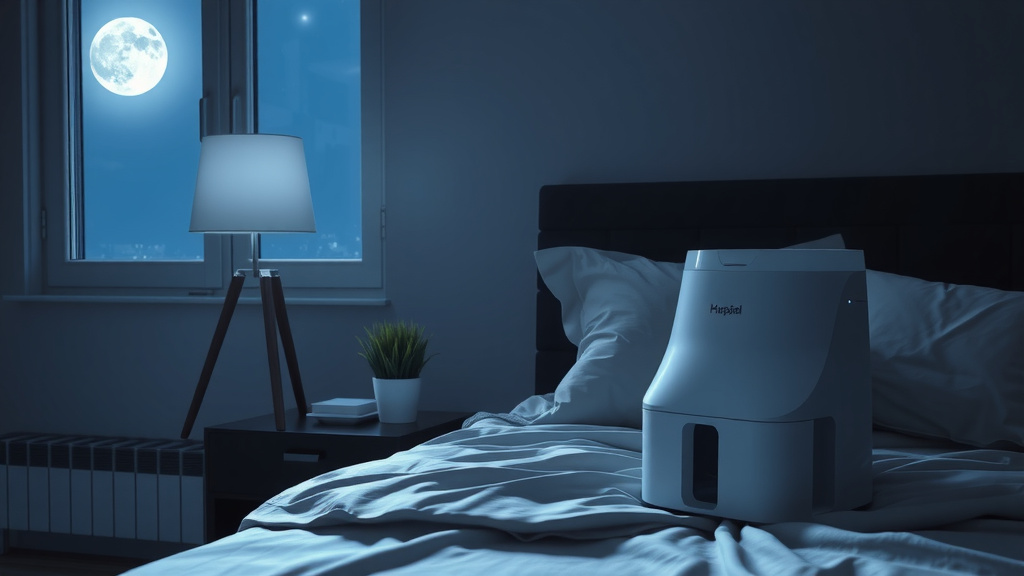
Yes, you can absolutely use a dehumidifier while sleeping, and it often improves your comfort and air quality for better rest.
However, it’s essential to set the ideal humidity level, consider noise, and maintain your dehumidifier to ensure a safe and effective sleeping environment.
TL;DR: Thinking about using a dehumidifier at night? Here’s the quick scoop:
- Using a dehumidifier while sleeping is generally safe and can boost your comfort.
- It helps create a healthier environment by reducing mold, dust mites, and allergens.
- Keep humidity between 40-50% for optimal sleep and to avoid over-drying the air.
- Noise levels and proper placement are key for an undisturbed night.
- Regular cleaning ensures the best air quality and dehumidifier performance.
Can I Use Dehumidifier While Sleeping?
Yes, using a dehumidifier while sleeping is safe and can significantly improve your sleep quality. It helps create a more comfortable and healthier bedroom environment.
Why Consider a Dehumidifier for Sleep?
Imagine trying to sleep in a sticky, damp room. Not fun, right? Excess humidity makes the air feel heavy. A dehumidifier tackles this directly, creating a more pleasant sleeping space for you.
Combatting Discomfort
High humidity often leads to clammy skin and a stuffy feeling. It feels like the air is wearing a sweater! By pulling moisture from the air, your room feels cooler and much more breathable, even without blasting the AC.
Reducing Allergens
Many common allergens thrive in damp conditions. Think of mold spores and dust mites; they love humidity. We found that keeping humidity lower can drastically reduce their numbers (Mayo Clinic).
Protecting Your Home
Beyond your personal comfort, too much moisture can damage your home. It can lead to peeling paint, warped wood, and a musty smell. A dehumidifier at night offers continuous protection for your bedroom.
Finding Your Ideal Humidity Level
What’s the sweet spot for humidity? Experts generally agree that 40% to 50% relative humidity is perfect. This range balances comfort with health benefits.
Avoiding Over-Drying
Going too low can also cause problems. Very dry air might lead to dry skin, irritated sinuses, or a scratchy throat. It’s like being in a desert; your body needs some moisture to feel good.
Important Considerations for Nighttime Use
While using a dehumidifier at night is fine, a few things will make your experience better. You want comfort, not new problems.
Noise Levels Matter
Some dehumidifiers can be quite noisy, especially older models. This might disrupt your precious sleep. Look for models labeled as “quiet” or with a low decibel (dB) rating.
Optimal Placement in Your Room
Where you put your unit matters for efficiency and comfort. Place it on a flat, stable surface, away from walls or furniture. This allows for proper airflow and effective moisture removal.
Regular Maintenance is Key
Just like any appliance, your dehumidifier needs a little love. Cleaning the air filter and emptying the water reservoir are crucial tasks. A clean unit runs more efficiently and prevents mold from growing inside it.
- Choose a quiet model for peaceful sleep.
- Place it centrally for best airflow.
- Keep it away from walls and curtains.
- Empty the water tank regularly.
- Clean the filter often for fresh air.
When to Be Cautious
While generally safe, there are times you might want to rethink using your dehumidifier. Your personal health is always top priority.
Existing Health Conditions
If you have certain respiratory issues, very dry air could aggravate them. Always consult with your doctor if you have concerns. Your body knows best, so listen to its signals.
Maintaining Proper Hydration
Remember that a dehumidifier removes moisture from the air. Consider having a glass of water nearby to stay hydrated, especially if you tend to get thirsty at night.
Tips for a Peaceful, Dry Night
Want to maximize your comfort while minimizing disruption? Here are a few practical pointers to help you out.
Setting the Humidistat
Most modern dehumidifiers have a built-in humidistat. Set it to your desired humidity level, say 45%. The unit will then cycle on and off automatically, saving energy and maintaining comfort.
Timer Functions
Some models include a timer. You can set it to run for a few hours before you sleep, or to turn off after you’ve fallen asleep. This can help with noise sensitivity and energy use.
Here’s a quick guide to ideal humidity:
| Humidity Level | Impact on Sleep & Health |
|---|---|
| Below 30% | Can cause dry skin, irritated sinuses, static electricity. |
| 30-40% | Comfortable for some, might still cause slight dryness. |
| 40-50% | Ideal range for comfort, health, and preventing mold/dust mites. |
| 50-60% | Can feel slightly damp, increased risk for allergens. |
| Above 60% | Feels sticky, high risk for mold growth, dust mites, bacteria. |
Your Dehumidifier Checklist for Sleep Success
Ready to get started? Here’s a quick rundown to make sure you’re all set for a great night’s sleep.
- Choose a quiet, energy-efficient model.
- Place it strategically for best airflow.
- Set the humidistat to 40-50%.
- Empty the water tank regularly.
- Clean the air filter at least monthly.
- Keep doors and windows closed when running.
Conclusion
Using a dehumidifier while sleeping can be a wonderful choice for your comfort and health. It helps you breathe easier and sleep sounder by creating a healthy environment. By choosing a quiet unit, maintaining it well, and setting the right humidity, you’re on your way to a more refreshing night’s sleep. Just remember to find that sweet spot between 40-50% humidity, and you’ll wake up feeling much better. Happy sleeping!
Can a dehumidifier make you sick?
No, a dehumidifier itself won’t make you sick. However, if you let the humidity drop too low (below 30%), it might cause dry skin, irritated sinuses, or a scratchy throat for some people. Keeping it clean is also important to prevent mold growth within the unit, which could impact air quality.
How far should a dehumidifier be from my bed?
There isn’t a strict rule, but generally, placing it at least a few feet away from your bed is good. This helps ensure even air circulation and minimizes any potential noise directly next to your ear. Avoid placing it right next to your head or directly at the foot of the bed.
Should I keep my bedroom door open or closed with a dehumidifier?
For the best results, you should keep your bedroom door closed when the dehumidifier is running. This traps the moisture in the room, allowing the unit to work most effectively at drying out your sleeping space. An open door would mean it’s trying to dehumidify a larger area.
How long should I run a dehumidifier in my bedroom at night?
Many experts suggest running it for several hours, or even all night, especially if your humidity levels are consistently high. If your unit has a humidistat, set it to your desired humidity (40-50%), and it will cycle on and off automatically, running only when needed to maintain that level.
Do dehumidifiers use a lot of electricity?
The electricity consumption of a dehumidifier can vary significantly based on its size, efficiency, and how long it runs. Modern, energy-efficient models are designed to use less power. You can look for Energy Star certified models to help reduce your electricity bill. Running it only when necessary with a humidistat also saves energy.
