Do Dehumidifiers Consume a Lot of Electricity?
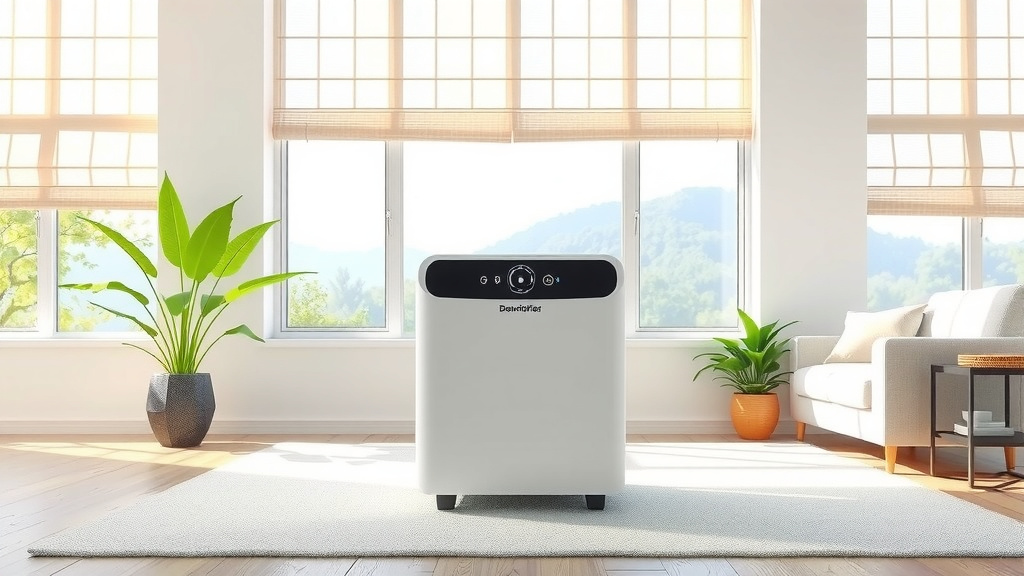
Dehumidifiers do not necessarily consume a lot of electricity, though their usage certainly impacts your utility bill. Modern dehumidifiers are increasingly energy-efficient compared to older models.
The amount of electricity a dehumidifier uses primarily depends on its size, efficiency rating, the humidity level in your home, and how often it operates.
- Modern dehumidifiers often boast better energy efficiency than older units.
- Your electricity usage hinges on the unit’s size, your home’s humidity, and runtime.
- Always look for Energy Star certified models to help reduce your energy costs.
- Correct sizing and strategic placement are key for minimizing power consumption.
- Managing home humidity prevents mold and improves air quality, making the energy cost a worthwhile investment for your health and home.
Do Dehumidifiers Consume a Lot of Electricity?
Generally, dehumidifiers can consume a fair amount of electricity if not chosen or used wisely. However, with the right approach, you can manage their energy footprint quite effectively.
Think of it like driving a car. A small, fuel-efficient model will use less gas than a large, powerful truck, even if both are driving the same distance. The same logic applies to dehumidifiers and electricity.
Understanding Dehumidifier Energy Usage
It’s natural to wonder about the energy cost of running any appliance, especially one that runs frequently. We found that the actual electricity consumed by your dehumidifier isn’t a fixed number.
Many factors come into play, from the size of the unit to the conditions in your home. Let’s break down what truly influences that electricity bill.
The Power Rating (Watts)
Every appliance has a wattage rating, which tells you how much power it draws. Dehumidifiers typically range from 300 to 700 watts, but larger commercial units can use more.
A higher wattage means more electricity consumed per hour of operation. This number is your starting point for calculating potential costs.
Capacity and Size Matters
Dehumidifiers are sized by how much moisture they can remove in 24 hours (pints). A 30-pint unit for a smaller room will use less electricity than a 70-pint unit for a large basement.
Choosing the right size for your space is essential. An undersized unit will run constantly without achieving optimal humidity, wasting energy.
Energy Star Certification
This is your go-to guide for efficiency. Energy Star certified dehumidifiers are tested to meet strict energy performance standards set by the EPA.
Research consistently shows that Energy Star models use up to 30% less energy than conventional models (Energy Star.gov). Always look for this label when buying.
Humidity Levels in Your Home
The more humid your environment, the harder your dehumidifier has to work. If your basement is constantly damp, the unit will run more often and for longer periods.
As the humidity drops to your desired setting, the dehumidifier will cycle less, saving electricity. This is why initial setup might see higher usage.
How Often You Run It
This seems obvious, right? A dehumidifier running 24/7 will use significantly more electricity than one running only a few hours a day.
Many units have a humidistat, like a thermostat for humidity. Set it to your desired level (often between 45-50% relative humidity), and the unit will cycle on and off automatically.
Calculating Your Dehumidifier’s Running Cost
Want to know the ballpark figure? It’s fairly simple arithmetic. You’ll need three pieces of information:
- Your dehumidifier’s wattage (check the label or manual).
- How many hours you expect it to run per day.
- Your local electricity rate (cents per kilowatt-hour, kWh).
For example, a 500-watt dehumidifier running 12 hours a day, with an electricity rate of $0.15/kWh:
(500 watts / 1000) * 12 hours * $0.15/kWh = $0.90 per day. Multiply by 30 for a monthly cost.
Are All Dehumidifier Types the Same?
Not quite. Most household dehumidifiers are “refrigerant” or “compressor” types. They work by drawing air over a cold coil, condensing the moisture.
These are generally very efficient in warmer, humid conditions. Desiccant dehumidifiers exist but are less common for typical home use and often used in colder environments.
Practical Steps to Reduce Dehumidifier Electricity Use
You don’t have to sacrifice comfort for cost savings. There are smart ways to optimize your dehumidifier’s performance and cut down on its power draw.
We found that small adjustments can lead to noticeable savings over time.
Choose the Right Size
As mentioned, don’t buy an undersized unit. It will work too hard. For large, very damp spaces, a larger unit might actually be more efficient because it handles the load quickly and then cycles off.
Consult a sizing chart before purchasing. This ensures you get the most effective and efficient unit for your specific needs.
Set the Humidistat Wisely
Resist the urge to set it to 30% humidity. Most experts recommend maintaining indoor humidity between 40-50% (EPA). Going lower forces the unit to run unnecessarily longer.
A lower setting will not only cost more but might also make your home feel too dry, causing discomfort.
Seal Leaks and Cracks
If humid air keeps sneaking into your home through leaky windows, doors, or cracks in your basement, your dehumidifier is fighting a losing battle. It’s like trying to cool a house with the windows open.
Many homeowners overlook this simple step. Sealing these entry points can significantly reduce the moisture load and, by extension, your dehumidifier’s workload.
Clean Filters Regularly
A clogged filter restricts airflow, making the unit work harder to pull in air. This reduces efficiency and can increase electricity usage.
We recommend cleaning or replacing your filter every 1-2 months, or more often if your environment is particularly dusty.
Strategic Placement is Key
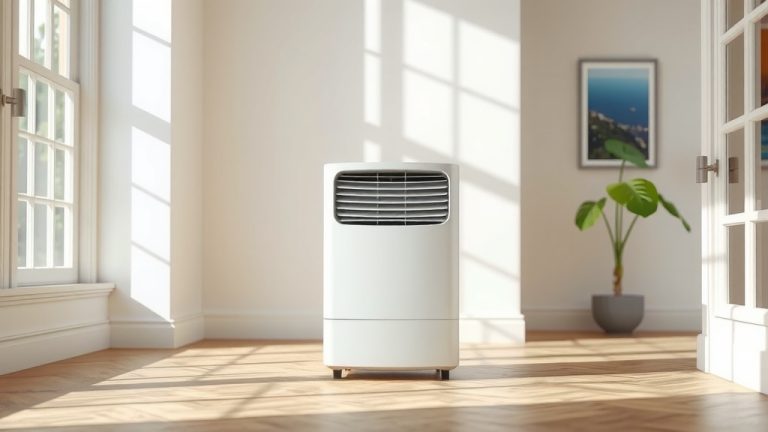
Place your dehumidifier in the most humid area, away from walls and furniture. Allow for good airflow around the unit so it can draw in and expel air efficiently.
Avoid putting it in a closet or corner where airflow is restricted; it won’t work as effectively.
Empty the Reservoir Promptly
Many dehumidifiers stop working once the water reservoir is full. If you’re not using a drain hose, make sure to empty it regularly to keep the unit running when needed.
Consistent operation helps maintain humidity levels without having to “catch up” later.
Typical Dehumidifier Power Consumption Examples
To give you a clearer picture, here’s a rough guide for common dehumidifier sizes:
| Dehumidifier Capacity | Approximate Wattage | Cost per Hour (at $0.15/kWh) |
|---|---|---|
| 30-pint (Small) | 300-400W | $0.045 – $0.06 |
| 50-pint (Medium) | 400-550W | $0.06 – $0.0825 |
| 70-pint (Large) | 500-700W | $0.075 – $0.105 |
Please note: These are estimates. Your actual costs will vary based on your specific model, local electricity rates, and usage patterns.
The Benefits Outweigh the Costs
While electricity usage is a concern, the benefits of maintaining proper humidity are significant. Many experts say that preventing mold and mildew growth alone is worth the investment (CDC).
A properly humidified home protects your property, improves air quality, and can even deter pests. It creates a much healthier living environment for you and your family.
Checklist for Dehumidifier Efficiency:
- Choose an Energy Star certified model.
- Select the correct capacity for your space.
- Set the humidistat between 40-50% RH.
- Regularly clean or replace the air filter.
- Ensure good airflow around the unit.
- Seal any air leaks in the room.
Conclusion
Dehumidifiers do consume electricity, but it doesn’t have to be an alarming amount. By making smart choices, like opting for an Energy Star model and following usage best practices, you can effectively manage their operating costs.
Remember, the goal is not just to save money, but to create a healthier, more comfortable living space free from excessive moisture. The energy spent is an investment in your home’s integrity and your family’s well-being.
How much does it cost to run a 50-pint dehumidifier per day?
The daily cost to run a 50-pint dehumidifier can range from about $0.72 to $1.32, assuming it uses 400-550 watts and runs 12 hours a day at an average electricity rate of $0.15 per kilowatt-hour. This cost will fluctuate based on how often it cycles on and off, which depends on your home’s humidity.
Can a dehumidifier replace air conditioning in terms of comfort?
While a dehumidifier can significantly improve comfort by removing sticky moisture from the air, it cannot replace air conditioning for cooling. Dehumidifiers primarily address humidity, making warm air feel less oppressive, but they do not actively lower the air temperature. Some even emit a small amount of heat as a byproduct of their operation.
What is the ideal humidity level to set my dehumidifier to?
Many health organizations and building science experts, including the EPA, recommend maintaining indoor relative humidity between 40% and 50%. This range is generally considered optimal for preventing mold growth, discouraging dust mites, and promoting overall comfort without making the air too dry.
Do older dehumidifiers use more electricity than newer ones?
Yes, older dehumidifiers typically use more electricity. Just like many appliances, dehumidifier technology has evolved to become more energy-efficient over time. Newer models, especially those with an Energy Star certification, are designed to remove more moisture per kilowatt-hour of electricity consumed compared to units manufactured a decade or more ago.
How often should I clean my dehumidifier’s filter?
We recommend cleaning your dehumidifier’s air filter every 1-2 months, or more frequently if you live in a dusty environment or run the unit continuously. A clean filter ensures optimal airflow, allowing the dehumidifier to operate efficiently and prevent unnecessary energy consumption due to restricted airflow.