
Do Dehumidifiers Need to Be Plugged In?
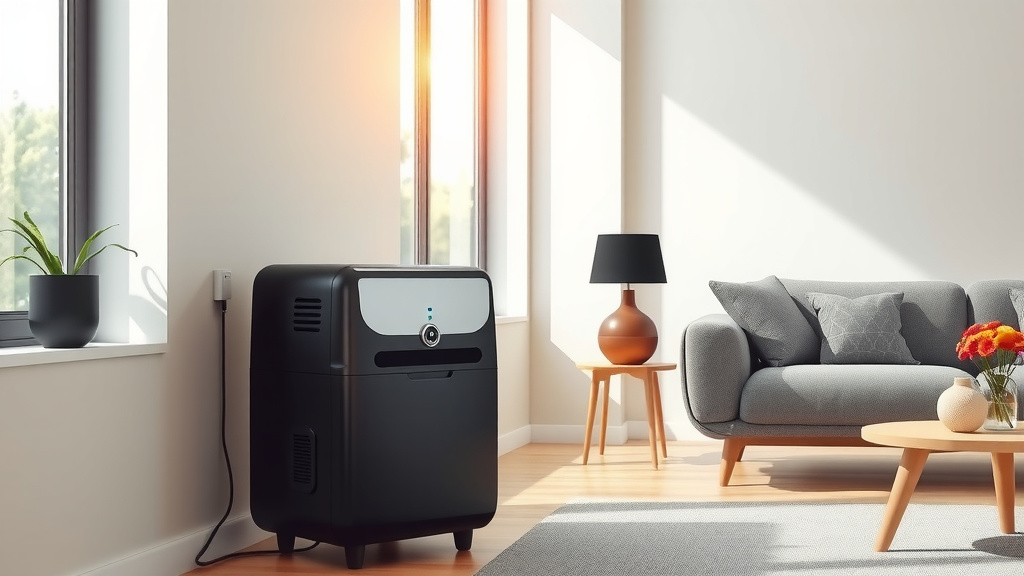
Dehumidifiers absolutely need to be plugged into a working electrical outlet to operate and remove moisture from your home.
Without a steady power supply, their internal fan and compressor cannot function, making the unit unable to dehumidify the air.
Here’s a quick overview of what you need to know about powering your dehumidifier:
- Dehumidifiers require constant electricity to run their essential components.
- They actively use a fan and a cooling coil system to remove humidity from the air.
- Passive moisture absorbers are different; they do not need electricity.
- Always connect your dehumidifier to a proper, grounded electrical outlet for safety and optimal performance.
- Remember to unplug your unit when cleaning it, moving it, or storing it for longer periods.
Do Dehumidifiers Need to Be Plugged In?
Yes, dehumidifiers absolutely need to be plugged in to an electrical outlet to operate. They contain internal components like a compressor and fan that require constant power to remove moisture from the air, making them entirely dependent on electricity.
Why Does a Dehumidifier Need Electricity?
Think of your dehumidifier as a hard worker. It cannot do its job without power. Electricity fuels the entire process, from pulling in humid air to releasing dry air back into your space. It’s truly the lifeblood of the machine.
The Heart of the Machine: How It Works
A dehumidifier operates by drawing moist air over a cold coil. This coil cools the air, causing the moisture to condense into water droplets. Then, this water drips into a collection bucket. This entire cycle—fan, compressor, cooling—requires a continuous electrical supply to function properly.
Are There Any Dehumidifiers That Don’t Need an Outlet?
When we talk about “dehumidifiers,” we usually mean electric models. There are, however, passive moisture absorbers. These products don’t plug in and don’t actively remove humidity. They are different tools for a different job. It’s important to know the distinction.
Passive Moisture Absorbers: A Different Solution
Items like desiccant packets or moisture-absorbing crystals, often branded as DampRid, absorb moisture through chemical reactions. They work well in small, sealed areas like closets or cabinets. However, they are not electric dehumidifiers and cannot tackle whole-room humidity problems effectively.
What Happens If Your Dehumidifier Isn’t Plugged In?
Simply put, nothing happens. An unplugged dehumidifier is just a box. It won’t turn on, the fan won’t spin, and the coils won’t cool. You will continue to have high humidity and potential moisture issues in your home.
The Silent Sentinel: A Powerless Dehumidifier
Imagine a lamp without being plugged in; it cannot light up. Similarly, a dehumidifier without power is completely inert. It sits there, unable to move air or extract moisture. It becomes purely decorative at that point.
Choosing the Right Outlet for Your Dehumidifier
Your dehumidifier needs a suitable electrical home. Many experts recommend plugging it into a dedicated, grounded electrical outlet. This means an outlet that isn’t shared with many other appliances. It helps prevent circuit overloads and ensures stable operation (Electrical Safety Foundation International).
Power Needs: Watts and Amps Explained
Dehumidifiers can draw a fair amount of power, especially larger models. Using a proper, grounded three-prong outlet is vital for safety. Avoid thin extension cords, which can overheat. If you must use one, ensure it’s a heavy-duty, outdoor-rated cord suitable for appliances.
When Your Dehumidifier Stops Working: Troubleshooting Power
If your dehumidifier suddenly stops, don’t panic. The first thing to check is its power connection. Is it firmly plugged in? Is the outlet working? Sometimes, a simple check of the circuit breaker or the power button can solve the whole mystery.
A Quick Power Checklist
- Is the dehumidifier’s plug fully and securely inserted into the wall outlet?
- Is the electrical outlet itself working? Try plugging in another small appliance to test it.
- Has a circuit breaker tripped in your home’s electrical panel? Reset it if needed.
- Is the dehumidifier’s power switch turned “on”? Sometimes it’s a simple oversight.
- Is the water collection bucket full? Most units have an automatic shut-off feature when the bucket is full.
Powering Down: When to Unplug Your Dehumidifier
While continuous operation is normal, there are times you should definitely unplug your unit. Always disconnect the power before cleaning the filters or moving the appliance. Also, if you are going away for an extended period, unplugging is a good practice.
Why Unplugging Can Be a Good Idea
Unplugging your dehumidifier can save a tiny bit of standby energy, although modern units are very efficient (Energy Star). It also adds a layer of safety during electrical storms. Plus, it gives the machine a break, potentially extending its lifespan.
The Energy Consumption of a Dehumidifier
Yes, dehumidifiers use electricity, and this will affect your energy bill. However, newer Energy Star certified models are significantly more efficient than older ones. The actual consumption depends on the unit’s size, your home’s humidity level, and how often it runs.
Understanding Your Dehumidifier’s Energy Footprint
Different sizes of dehumidifiers have varying power requirements. Running a dehumidifier until the desired humidity is reached, then letting it cycle on and off, is often the most efficient way to operate it. Setting it to a comfortable 40-50% humidity level is generally recommended (Mayo Clinic).
| Dehumidifier Size | Typical Wattage (Approx.) |
|---|---|
| Small (20-30 pint) | 200-300 watts |
| Medium (30-50 pint) | 300-500 watts |
| Large (50-70 pint) | 500-700 watts |
Can You Run a Dehumidifier on a Generator?
During power outages, you might wonder about using a generator. Yes, you can run a dehumidifier on a generator, but you need to consider the generator’s wattage capacity. Ensure your generator can handle the dehumidifier’s starting and running wattage. Safety must always come first.
Backup Power: Considerations for Off-Grid Use
When using a generator, always place it outdoors in a well-ventilated area to avoid carbon monoxide poisoning. Make sure the generator has enough power for your dehumidifier and any other critical appliances. Inverter generators often provide cleaner power, which is better for sensitive electronics.
The Unplugged Dehumidifier: A Symbol of Neglect?
An unplugged dehumidifier is a reminder that dampness issues will likely return. Without its active protection, mold, mildew, and musty odors can quickly resurface. Keeping it plugged in and running as needed is a simple but critical step for a healthy home environment.
Conclusion
To put it simply, your dehumidifier needs electricity to function. It’s not a passive device; it’s an active system that works hard to keep your home’s humidity in check. Plugging it into a suitable, grounded outlet ensures it can do its job effectively and safely. Remembering to power it down when needed, understanding its energy usage, and troubleshooting basic power issues will help you maintain a drier, more comfortable living space. So, yes, for a dehumidifier to be anything more than a silent piece of equipment, it must absolutely be plugged in and ready to work.
What is the ideal humidity level for a home?
Many experts suggest maintaining indoor humidity levels between 30% and 50% for optimal comfort and health. This range helps prevent the growth of mold and dust mites, which thrive in higher humidity, while also avoiding overly dry air.
Can a dehumidifier cause my electricity bill to go up significantly?
Yes, running a dehumidifier does consume electricity, which will impact your energy bill. The increase depends on the unit’s size, its efficiency (look for Energy Star models), how often it runs, and your electricity rates. However, the cost of not managing humidity can be far greater in terms of potential mold damage and health issues.
How often should I empty the water tank?
How often you need to empty the tank depends on the size of your dehumidifier, the humidity level in your home, and how frequently the unit is running. In very damp conditions, you might need to empty it daily. Many modern dehumidifiers have a “full tank” indicator light and an automatic shut-off feature, or you can opt for a model with a continuous drain option.
Where is the best place to put a dehumidifier in a room?
Place your dehumidifier in the center of the dampest room, if possible, allowing air to circulate freely around it. Avoid pushing it against walls or furniture. Basements, crawl spaces, and laundry rooms are common areas where dehumidifiers are most beneficial.
Do dehumidifiers work in cold basements?
Standard refrigerant dehumidifiers can struggle in colder temperatures (below 65°F / 18°C) because their coils can freeze up. If you have a consistently cold basement, consider a desiccant dehumidifier or a low-temperature model specifically designed to operate efficiently in cooler environments.
