Do Dehumidifiers Need to Be Vented Outside?
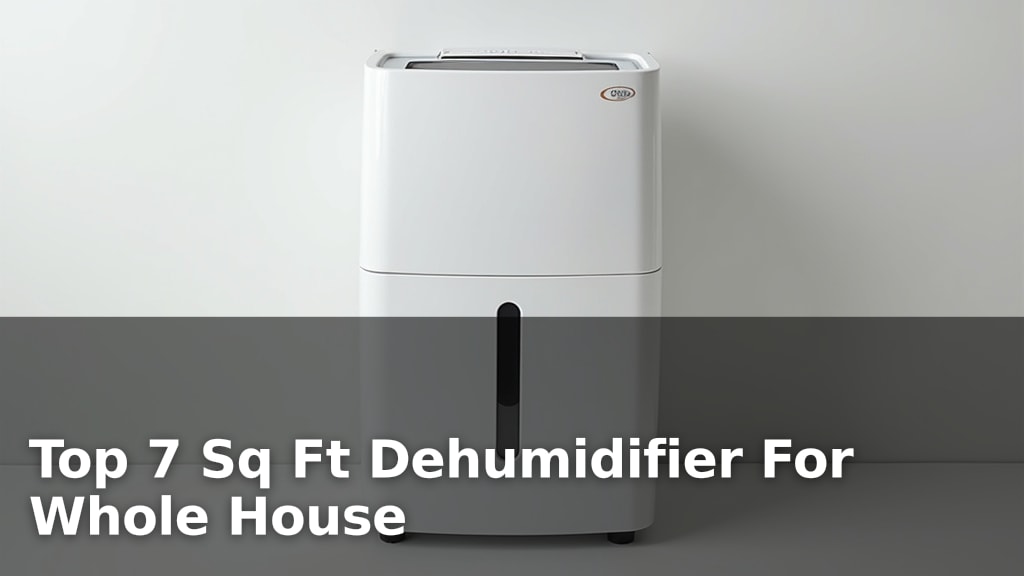
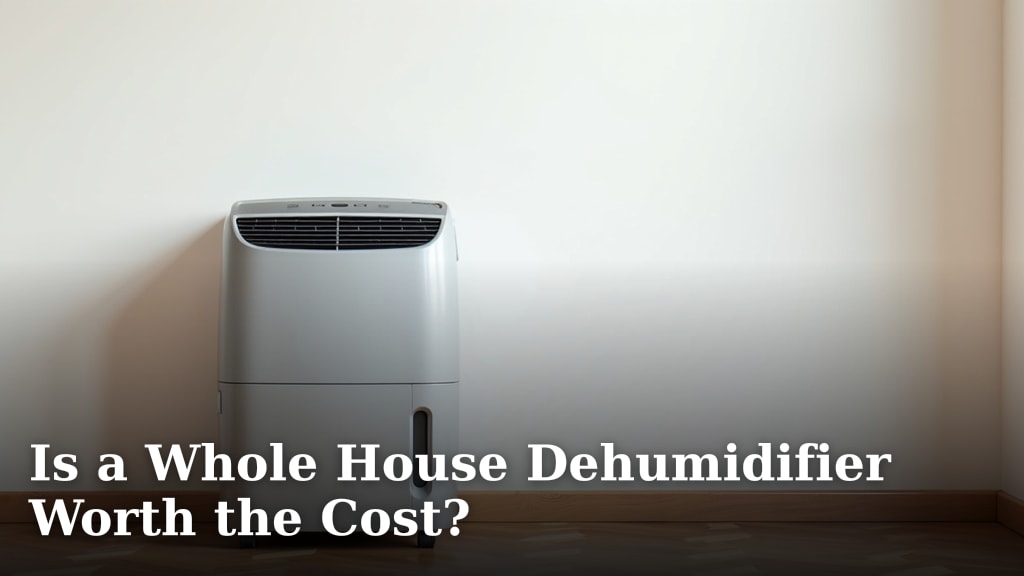
No, most standard portable or residential dehumidifiers do not need to be vented outside. They are self-contained appliances that remove moisture from the air within your home and collect it in an internal water reservoir or drain it automatically.
Only specific types, like whole-house dehumidifiers integrated into your HVAC system or commercial-grade units, might utilize external venting for optimal operation or drainage.
- TL;DR: Most home dehumidifiers are self-contained units.
- TL;DR: They collect water in a bucket, no outside venting is needed.
- TL;DR: Place them freely in humid rooms to reduce moisture.
- TL;DR: Whole-house systems are different and often connect to existing ductwork.
- TL;DR: Always check your specific model’s instructions for clarity.
Do Dehumidifiers Need to Be Vented Outside?
No, standard residential dehumidifiers are designed to work indoors without external venting. They simply draw in moist air and release dry air back into your space, making your home feel much more comfortable.
Understanding How a Dehumidifier Works
Think of your dehumidifier as a tiny, helpful cloud-maker in reverse. It pulls in warm, damp air over a cold coil. This coil cools the air, causing the moisture to condense into water droplets, much like dew on grass (research found this process similar to how air conditioners work, but without cooling the entire space).
The water then drips into a collection bucket or is pumped away through a drain hose. The now-dry air is reheated and released back into your room. It’s a closed-loop system, which is why no outside venting is typically needed.
Why People Think Dehumidifiers Need Venting
It’s a common misconception, and we understand why you might think that! Many other home appliances, like clothes dryers or range hoods, remove air from your home and expel it outdoors. This leads to the natural question about dehumidifiers.
The key difference is that a dehumidifier isn’t removing air; it’s just removing water vapor from the air already present. It then returns the same volume of air, just drier, back into the room. It’s all happening internally.
Portable Dehumidifiers: No Venting Required
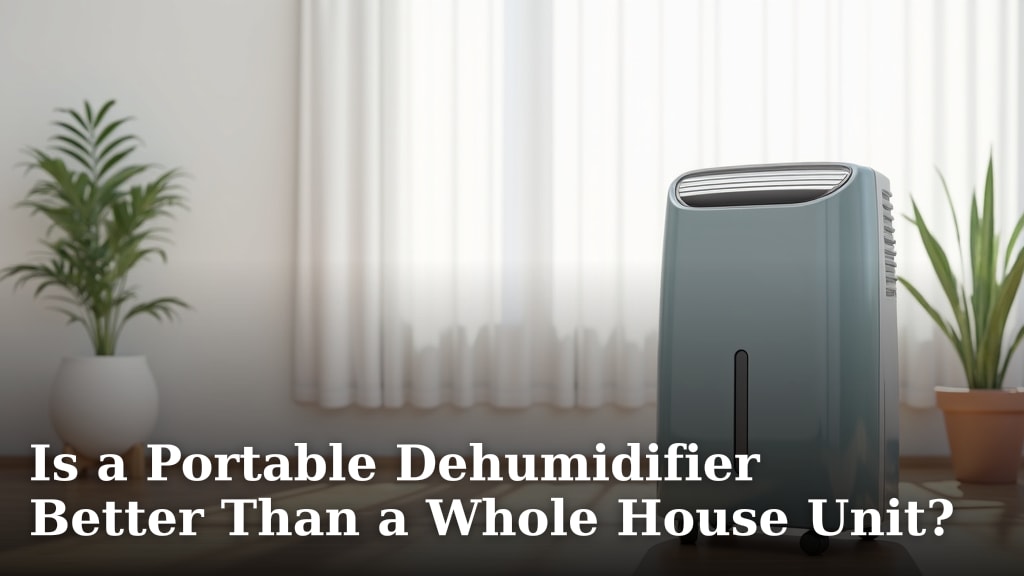
Most dehumidifiers you find at your local store, those you can move from room to room, are portable units. These are built to be completely self-contained. You simply plug them in, set your desired humidity level, and let them work their magic.
You will need to empty the water bucket regularly, or set up a continuous drain hose to a floor drain. This keeps the unit running without interruption. It’s a hassle-free operation for most homeowners.
When Venting Might Come Into Play (Rare Cases)
While standard units don’t vent, there are specialized situations. Some industrial-grade dehumidifiers or very large commercial units might have different setups. However, for a typical home, this is not a concern.
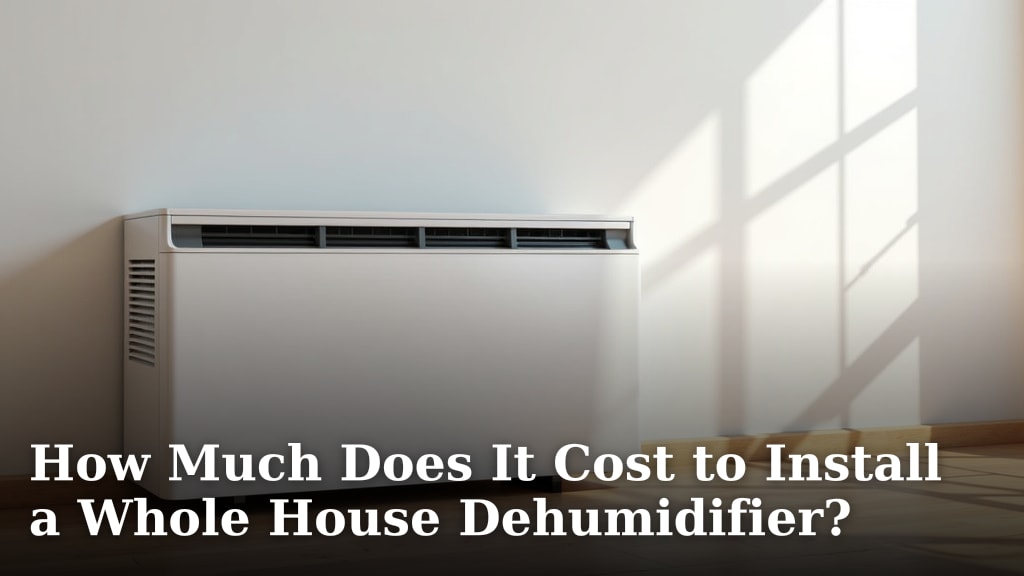
The main exception is whole-house dehumidifiers. These are integrated into your home’s HVAC system. They connect to existing ductwork and may use your home’s existing drainage lines, but they don’t vent outside in the same way a dryer does.
Whole-House Dehumidifiers: A Different System
A whole-house dehumidifier connects to your central air system. It works with your furnace or air handler to remove humidity from the air before it circulates throughout your entire home. These systems are usually installed by professionals.
While they use your home’s existing ducts, they are still collecting water internally and draining it. They aren’t pushing moist air directly outside, but rather integrating into your home’s airflow. This ensures consistent humidity control everywhere.
Benefits of Not Needing to Vent Outside
The fact that most dehumidifiers don’t need external venting is a huge plus! It means flexible placement options. You can put your unit wherever you need it most, whether it’s a damp basement, a musty attic, or a humid bedroom.
You also don’t need to cut holes in your walls or windows, which saves on installation costs and keeps your home’s exterior intact. It’s truly a grab-and-go solution for humidity issues.
Where to Place Your Dehumidifier for Best Results
Think about the areas in your home that feel dampest. Basements, crawl spaces, laundry rooms, and bathrooms are prime candidates. We found that placing the unit in the center of the room, away from walls, allows for optimal airflow (environmental health guidelines suggest this).
Keep doors and windows closed in the room where the dehumidifier is running. This prevents new, humid air from constantly entering the space, letting the dehumidifier do its job more effectively and efficiently. It’s all about creating a contained environment.
Signs Your Home Needs a Dehumidifier
Are you wondering if a dehumidifier is even right for your home? Many experts suggest looking for these common signs of excessive indoor humidity. You might already be noticing them!
- Musty odors, especially in basements or closets.
- Visible mold or mildew growth on walls, ceilings, or fabrics.
- Condensation on windows, pipes, or other cold surfaces.
- A generally sticky or clammy feeling in the air.
- Allergy symptoms worsening due to dust mites, which thrive in high humidity.
Comparing Dehumidifier Types and Venting Needs
Let’s quickly look at the different types you might encounter and their venting considerations. This will help you choose the right unit for your needs.
| Dehumidifier Type | Venting to Outside Needed? | How It Handles Water | Typical Use |
|---|---|---|---|
| Portable/Residential | No | Internal bucket; optional hose to drain | Single rooms, basements, specific problem areas |
| Whole-House (HVAC Integrated) | No (connects to HVAC ducts) | Drains into home’s existing plumbing | Entire home humidity control |
| Commercial/Industrial | Sometimes (depends on model) | Large reservoirs or dedicated drainage systems | Warehouses, large construction sites, specialized applications |
Setting Up Your Dehumidifier: A Quick Checklist
Getting your dehumidifier ready is usually a breeze. Just follow these simple steps to get it running smoothly and effectively. You’ll be enjoying drier air in no time!
- Unpack the unit carefully.
- Place it on a level surface, away from walls.
- Ensure nothing is blocking the air intake or exhaust.
- Plug it into a grounded electrical outlet.
- Set your desired humidity level (often between 40-50% RH).
- Decide if you’ll use the bucket or a continuous drain hose.
Maintaining Your Dehumidifier for Longevity
Proper care means your dehumidifier will serve you well for years. Regular maintenance helps it run efficiently and keeps your air quality high. It’s like giving your car an oil change – small effort, big reward.
Clean the air filter every few weeks, or as recommended by the manufacturer. Empty and clean the water bucket regularly to prevent mold and mildew growth inside it. Keeping the coils clean also helps with overall performance (many appliance guides emphasize this).
Conclusion
So, to put your mind at ease: for most residential needs, your dehumidifier is a standalone hero that works quietly within your home. It doesn’t need to be vented outside. Its job is to efficiently remove excess moisture from your indoor air, helping you breathe easier and protecting your home from humidity-related issues like mold and musty odors.
By understanding how these units operate and following some simple placement and maintenance tips, you can effectively manage your home’s humidity levels. Enjoy that feeling of fresh, dry air!
How do I know what humidity level to set my dehumidifier to?
Most experts suggest setting your dehumidifier to maintain an indoor relative humidity level between 40% and 50%. This range is generally considered comfortable and helps deter the growth of mold, dust mites, and other allergens, creating a healthier living environment.
Can I use a dehumidifier in a room with an open window?
It’s generally not recommended to use a dehumidifier with an open window. When you run a dehumidifier, you want it to process the air already in the room. An open window allows new, often humid air from outside to constantly enter, making the dehumidifier work harder and less efficiently, wasting energy.
Is it normal for a dehumidifier to produce warm air?
Yes, it is completely normal for a dehumidifier to produce slightly warm air. The process of removing moisture from the air generates a small amount of heat as a byproduct. This warm air is then released back into the room, which is a standard part of its operation and not a sign of a malfunction.
How often should I empty the water bucket on my dehumidifier?
How often you empty the bucket depends on your home’s humidity level and the size of your unit. In very humid conditions, you might need to empty it once or twice a day. If your unit has a continuous drain option, connecting a hose to a floor drain or pump can eliminate the need for manual emptying.
Can a dehumidifier help with allergies?
Yes, a dehumidifier can often help alleviate allergy symptoms. Many common allergens, such as dust mites and mold, thrive in high-humidity environments. By reducing the indoor humidity to a healthy range (40-50%), you make your home a less hospitable place for these allergens, potentially improving air quality and reducing allergy flare-ups.