
Do Passive Dehumidifiers Work?
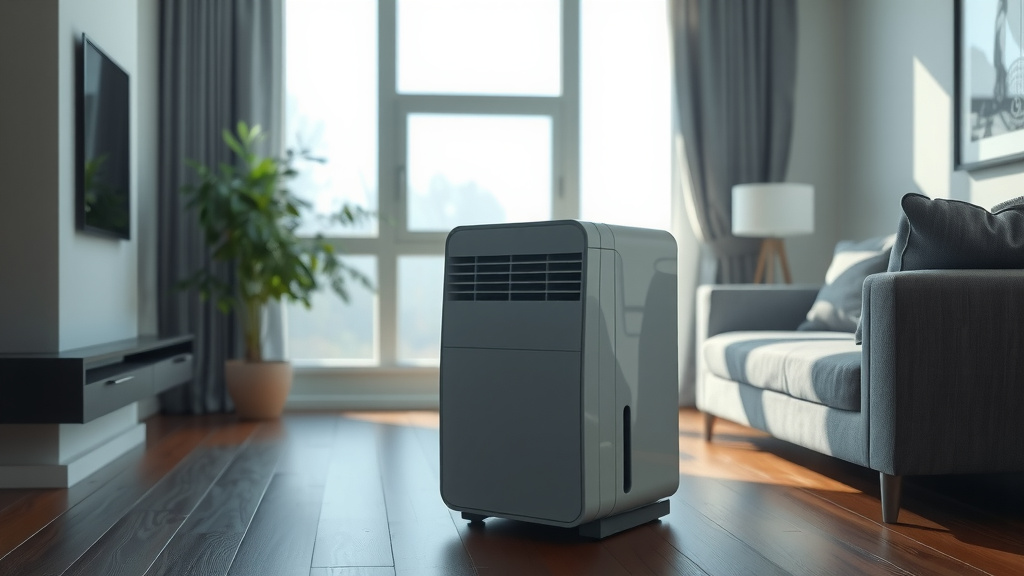
Yes, passive dehumidifiers can reduce humidity in small, enclosed spaces by absorbing excess moisture.
However, their effectiveness is limited compared to active models, making them best suited for minor humidity issues rather than whole-room control.
- Passive dehumidifiers rely on absorbent materials to naturally draw moisture from the air.
- They are most effective in tiny, contained areas like cupboards, safes, or car interiors.
- Don’t expect these devices to significantly lower humidity in larger rooms or tackle severe dampness.
- These are a cost-effective, silent, and often eco-friendly choice for very specific, minor moisture issues.
- Your specific humidity challenge and the size of the space will determine if a passive solution is right for you.
Do Passive Dehumidifiers Work?
Yes, passive dehumidifiers absolutely work, but their effectiveness is typically limited to very small, enclosed areas.
They won’t solve major humidity problems in large rooms, but they are great for targeted moisture control.
What Exactly Are Passive Dehumidifiers?
Passive dehumidifiers are like silent little sponges, quietly absorbing extra moisture from the air.
Unlike their active, electric cousins, they don’t have fans or compressors; they just rely on special absorbent materials.
Think of them as a low-tech, easy solution for specific humidity woes.
How Do Passive Dehumidifiers Absorb Moisture?
These handy devices contain materials that are “hygroscopic,” meaning they naturally attract and hold water molecules.
Common absorbents include silica gel, calcium chloride crystals, or activated charcoal.
The moisture in the air gets trapped by these materials, reducing the overall humidity.
Where Do Passive Dehumidifiers Shine?
Passive models are perfect for places where active dehumidifiers would be overkill or impractical.
We found they excel in small, contained environments with limited air circulation.
These spots often have minor humidity issues that need a gentle touch.
- Closets or wardrobes
- Small bathrooms without ventilation
- Storage bins or boxes
- Gun safes and coin collections
- Pantries or under-sink cabinets
- Car interiors or RVs in storage
- Boat cabins during off-season
The Limitations of Passive Dehumidifiers
While useful, it’s important to manage your expectations for passive dehumidifiers.
They are not designed for whole-room humidity control, and they won’t tackle a major damp basement.
Many experts say their capacity is simply too small for large or open spaces (Environmental Protection Agency).
Are Passive Dehumidifiers a Cost-Effective Choice?
Absolutely, for their intended use, passive dehumidifiers are very budget-friendly upfront.
They require no electricity, so you save on energy bills, making them an economical option.
Just remember to factor in the cost of replacing or regenerating the absorbent material.
When to Choose an Active Dehumidifier Instead
If you’re dealing with widespread dampness, musty smells in a large area, or condensation on windows, you likely need an active unit.
Active dehumidifiers have fans that draw in air and typically include a compressor or desiccant rotor for powerful moisture removal.
Research often connects persistent high humidity with potential mold growth, which passive units cannot prevent in large spaces (CDC).
Key Differences: Passive vs. Active Dehumidifiers
Understanding the core distinctions helps you pick the right tool for your specific battle against humidity.
Here’s a quick look at how they stack up:
| Feature | Passive Dehumidifier | Active Dehumidifier |
|---|---|---|
| Power Source | None (absorbent material) | Electricity |
| Moisture Removal | Slow, limited capacity | Fast, high capacity |
| Best Use Case | Small, enclosed spaces; minor issues | Rooms, basements, whole-home; moderate to severe issues |
| Noise Level | Silent | Audible (fan and compressor) |
| Maintenance | Replace or recharge absorbents | Empty water tank, clean filters |
| Cost | Low initial, ongoing absorbent cost | Higher initial, ongoing electricity cost |
How to Tell If a Passive Dehumidifier is Working
You’ll often notice the absorbent material changing color or texture as it collects moisture.
Many passive units also have a visible collection tray where liquid water accumulates.
The air in the treated space should also feel noticeably less damp and more fresh.
Maintaining Your Passive Dehumidifier
Maintenance is straightforward and usually involves either replacing the absorbent or regenerating it.
Silica gel packets can often be baked in an oven to dry them out, making them reusable.
Calcium chloride crystals typically dissolve into a brine and need to be replaced when exhausted.
Tips for Maximizing Passive Dehumidifier Effectiveness
To get the most out of your passive unit, placement and preparation are important.
Consider these simple steps to help it do its best work:
Checklist:
- Ensure the area is as sealed as possible (close closet doors).
- Place the unit where air can circulate around it.
- Avoid placing it directly against a wall or in a corner.
- Use multiple units if the space is slightly larger or very damp.
- Regularly check and replace or recharge the absorbent material.
- Consider addressing any leaks or water sources first.
Conclusion
Passive dehumidifiers truly work wonders for tackling minor moisture problems in small, confined spaces.
They offer a silent, electricity-free solution that’s perfect for areas where humidity can cause musty odors or damage delicate items.
While they won’t dry out a flooded basement, they are an excellent, budget-friendly tool when used for their intended purpose.
Choose wisely based on your specific humidity challenge, and you’ll find passive units can be surprisingly helpful.
Frequently Asked Questions
How often do I need to replace passive dehumidifier packets?
The replacement frequency depends on the humidity level and the size of the packet. In very damp conditions, you might replace them every few weeks, while in less humid areas, they could last several months. Always check the manufacturer’s instructions.
Are passive dehumidifiers safe for pets and children?
Generally, the absorbent materials are considered low toxicity. However, ingestion can cause stomach upset. We recommend placing passive units where pets and young children cannot easily access them to prevent accidental consumption (Poison Control).
Can I make my own passive dehumidifier?
Yes, you can create DIY passive dehumidifiers using materials like charcoal briquettes or rock salt placed in a breathable container. While these won’t be as effective as commercial products, they can offer a simple, temporary solution for very small spaces.
Do passive dehumidifiers help with mold prevention?
In the very small, enclosed areas where they are effective, passive dehumidifiers can help reduce the humidity to levels less favorable for mold growth. However, they are not a substitute for proper ventilation or addressing underlying moisture sources in larger or chronically damp environments.
What’s the ideal humidity level for a home?
Many experts suggest maintaining indoor humidity levels between 30% and 50% for optimal comfort and health. This range helps prevent issues like mold growth, dust mites, and static electricity, while also being comfortable for most people (Mayo Clinic).
