
Do Space Heaters Dehumidify?
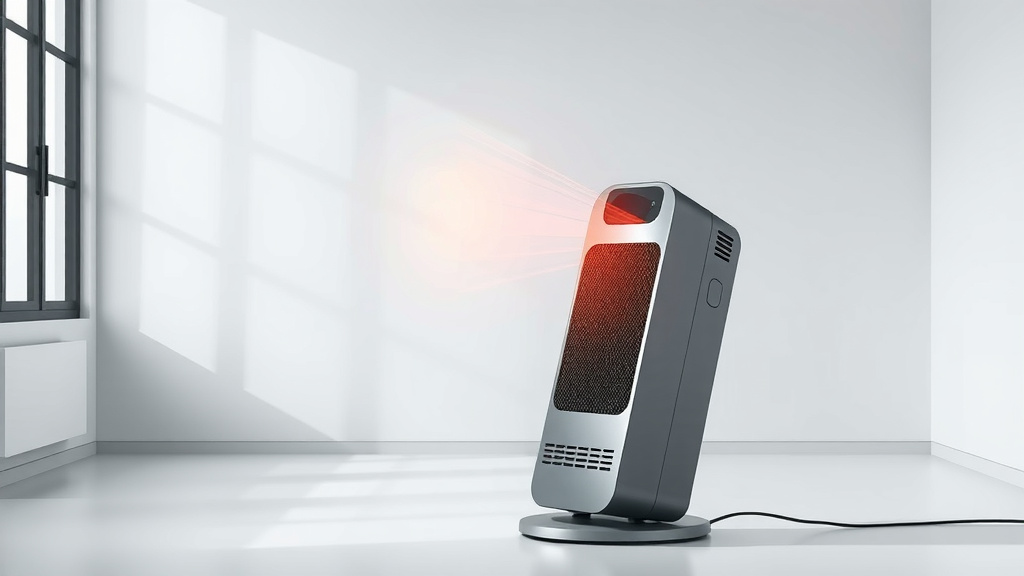
No, space heaters do not dehumidify the air by removing moisture. Instead, they raise the air temperature, which can lower the relative humidity, making the air feel drier.
A space heater adds heat, but it doesn’t extract water vapor from the air, meaning the absolute amount of moisture in your room stays the same.
Here’s a quick look at what you’ll discover:
- Space heaters warm the air, making it feel less humid.
- They do not remove moisture; the actual amount of water remains constant.
- True dehumidification involves extracting water from the air.
- Relying on a space heater for moisture control can cause other problems.
- For real moisture reduction, you need a dedicated dehumidifier.
Do Space Heaters Dehumidify?
The straightforward answer is no, space heaters do not dehumidify. They work by heating the air around them, not by taking moisture out of it. We found that the perception of less humidity comes from a change in how warm air holds moisture.
Understanding How Space Heaters Work
A space heater generates warmth by converting electricity into heat. It warms the air in a room, making you feel cozier. Think of it like a blanket for your room; it adds warmth but does not change anything else about the air’s composition.
The Science of Absolute vs. Relative Humidity
This is where it gets a little tricky. There are two kinds of humidity: absolute and relative. Absolute humidity is the actual amount of water vapor in the air. Relative humidity tells you how saturated the air is with water vapor compared to the maximum it can hold at that temperature (NIH).
Why Does It Feel Drier with a Heater On?
When a space heater warms the air, it increases the air’s capacity to hold moisture. Since the absolute amount of water vapor usually stays the same, the relative humidity percentage goes down. This drop in relative humidity makes the air feel less sticky or damp to you.
The “Feeling Dry” Illusion
It’s an illusion, much like stretching a rubber band. The rubber band (air) can hold more, so the existing amount (water vapor) seems less significant. Your skin perceives this lower relative humidity as dryness, even though no water has left the room.
What Happens to the Moisture?
The moisture doesn’t disappear; it’s simply more spread out within the warmed air. Imagine adding more chairs to a crowded room. The room feels less crowded, but the number of people hasn’t changed. The water vapor is still there, ready to condense if the temperature drops (CDC).
The Real Tools for Dehumidification
To truly dehumidify a space, you need a machine that removes water vapor from the air. These devices are designed for this specific purpose. They actively pull moisture out of the atmosphere, collecting it as liquid water.
How Dehumidifiers Really Work
Dehumidifiers draw in moist air over a cold coil. The moisture condenses into water droplets, which are collected in a reservoir. The now-drier air is then released back into the room. This process reduces the absolute humidity.
When Space Heaters Are Definitely Not the Solution
If you have persistent dampness, mold growth, or a musty smell, a space heater won’t help. These are clear signs of high absolute humidity that needs to be removed, not just masked by warmth. Many experts say ignoring these signs can lead to larger problems.
Dangers of Relying on Heaters for Drying
Trying to dry a damp basement or bathroom with a space heater can be risky. Portable heaters use a lot of electricity, increasing fire hazards if used improperly or near flammable materials. We found that extending their use for non-heating purposes raises safety concerns (NFPA).
Comparing Space Heaters and Dehumidifiers
Let’s look at the core differences between these two appliances.
| Feature | Space Heater | Dehumidifier |
|---|---|---|
| Primary Function | Generates heat | Removes moisture |
| Effect on Air Temp | Increases | Slightly increases or maintains |
| Effect on Absolute Humidity | No change | Decreases |
| Effect on Relative Humidity | Decreases (due to heat) | Decreases (due to moisture removal) |
| Water Collection | None | Yes, collects water |
| Main Goal | Warmth | Moisture control |
Signs You Need a Dehumidifier
Are you wondering if your home is too humid? Here are some clear indicators:
- You notice a musty odor, especially in basements or bathrooms.
- There’s visible condensation on windows or cold surfaces.
- You see mold or mildew growing on walls, ceilings, or fabrics.
- Your home feels sticky or clammy, even when it’s not very hot.
- Allergies or asthma symptoms seem worse indoors (Mayo Clinic).
- Peeling paint or wallpaper suggests excess moisture.
Achieving Healthy Humidity Levels
The sweet spot for indoor relative humidity is generally between 30% and 50%. This range helps prevent mold growth while also keeping your skin and respiratory system comfortable. Maintaining this balance is good for both your home and your health.
Practical Tips for Managing Moisture
Beyond a dehumidifier, several simple steps can help control humidity:
- Use exhaust fans in bathrooms and kitchens.
- Open windows when weather permits to allow for ventilation.
- Fix any leaks or water intrusions promptly.
- Dry laundry outdoors or in a well-ventilated area.
- Ensure proper drainage around your home’s foundation.
- Consider house plants that absorb some moisture.
Conclusion
While space heaters can make a room feel less humid by warming the air, they do not actually remove any moisture. They only lower the relative humidity, creating a perception of dryness. For genuine dehumidification, which involves extracting water vapor, a dedicated dehumidifier is the correct tool.
Choose the right appliance for your needs. If dampness and mold worry you, a space heater won’t solve it. A dehumidifier keeps your home healthy and comfortable, preventing moisture-related issues.
What is the ideal indoor humidity level?
Experts typically recommend keeping your indoor relative humidity between 30% and 50%. This range is generally considered comfortable and helps prevent issues like mold growth and dust mites.
Can high humidity cause health problems?
Yes, prolonged exposure to high humidity can worsen allergies and asthma symptoms due to increased mold and dust mite populations. It can also lead to respiratory discomfort and skin irritation for some individuals.
Is it safe to use a space heater in a damp basement?
Using a space heater in a damp basement is generally not recommended as a solution for moisture. It doesn’t remove the root cause of dampness and can pose safety risks, such as fire hazards, especially in areas with potentially faulty wiring or near water sources.
How can I tell if my home is too humid?
Common signs of high humidity include condensation on windows, a persistent musty smell, visible mold or mildew, peeling paint, or a generally sticky feeling in the air. If you notice these, your home might benefit from moisture control.
Will air conditioning help with humidity?
Yes, air conditioning systems do remove some moisture from the air as part of their cooling process. While not as efficient as a dedicated dehumidifier, an AC unit can contribute to lowering humidity levels in your home, making it feel more comfortable.
