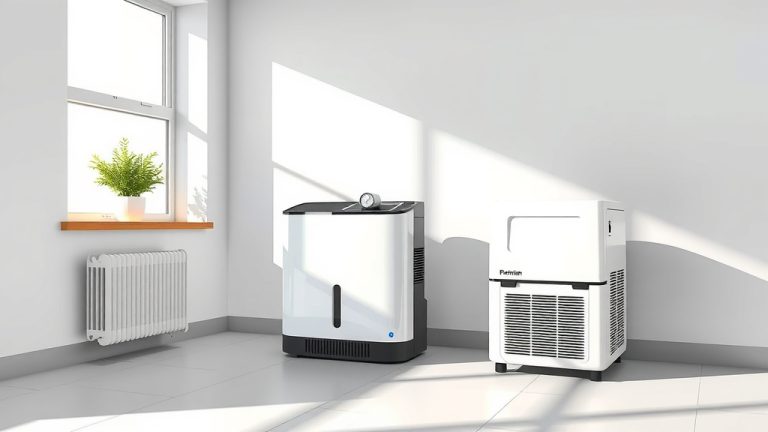
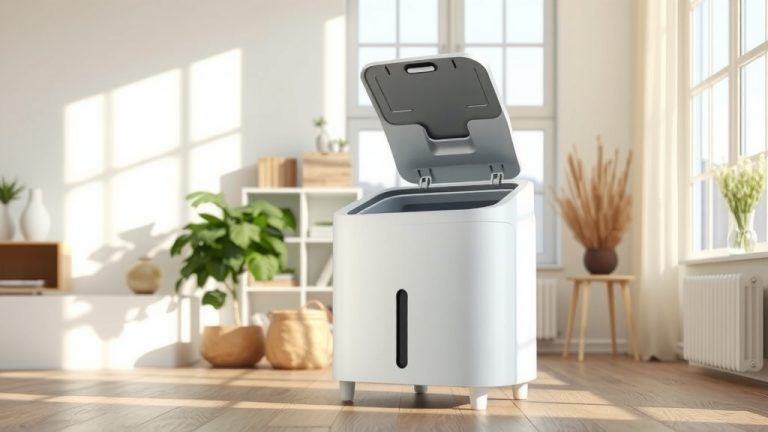
Do You Have to Vent a Dehumidifier?
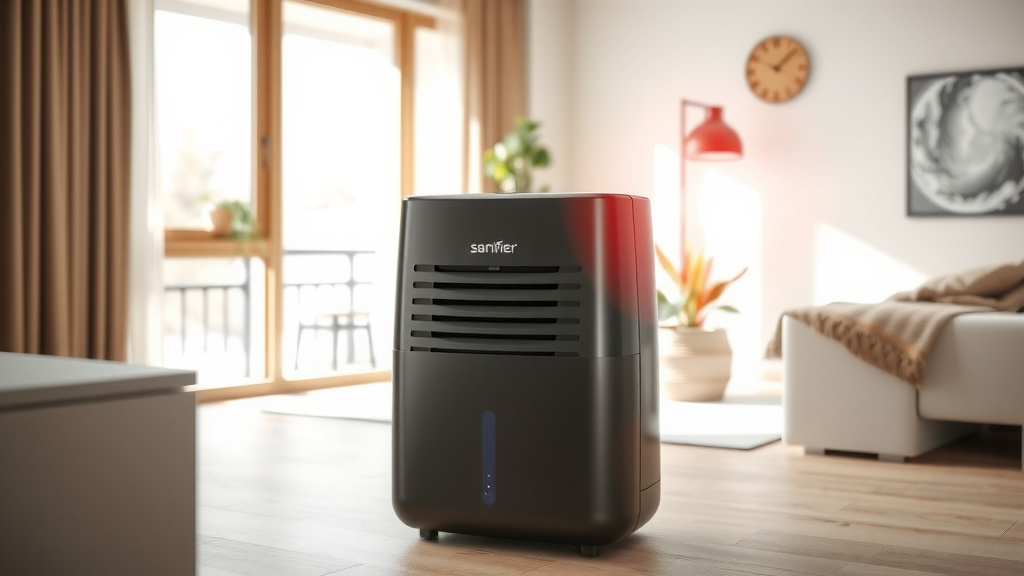
No, you generally do not have to vent a portable residential dehumidifier to the outside. These common household appliances operate by cycling indoor air and collecting excess moisture internally.
Most standard dehumidifiers simply release slightly warmer, drier air back into the room without needing an exhaust duct or connection to the outdoors.
- For most common portable dehumidifiers, no external venting is required.
- They work by drawing in humid air, condensing the moisture, and releasing dry air.
- You might only consider venting for whole-house systems or large commercial units.
- The warm air they expel is part of their normal operation and not harmful.
- Proper placement and drainage are more important than venting for efficiency.
Do You Have to Vent a Dehumidifier?
For the vast majority of people using a dehumidifier in their home, the answer is a straightforward no. Your standard portable dehumidifier is designed to work as a self-contained unit.
Understanding How Dehumidifiers Work
Have you ever wondered what goes on inside that noisy box? A dehumidifier functions much like a tiny refrigerator. It pulls warm, moist air over cold coils.
The moisture in the air then condenses into water droplets. These droplets fall into a collection bucket, reducing your home’s humidity.
The now-drier air passes over warmer coils before being gently pushed back into your room. This process explains why the air exiting your unit might feel a little warmer.
Portable Dehumidifiers: No Vent Needed
Most dehumidifiers you find at your local store are portable models. These units are built for individual rooms or open areas. They are entirely self-contained, handling all air processing internally.
There’s no need for any complicated setup involving hoses to a window or an exhaust system. Just plug it in, set your desired humidity, and let it work its magic.
Think of it like a standalone air conditioner without the need for a window kit. It simply cycles the air within your space.
The “Why Not?” Behind Portable Units
We found that portable dehumidifiers are designed for internal air circulation. Their purpose is to dry the air within a single, enclosed space. If you vented it outside, you’d be constantly pulling in new, humid air.
This would make the unit highly inefficient. It would struggle to lower the humidity in your target room. The whole idea is to create a closed loop of drying air.
Many experts say that introducing outside air would defeat the purpose (Environmental Protection Agency).
When Venting Might Be a Concern (Or a Feature)
While portable units are simple, there are specific situations where “venting” or ducting comes into play. These typically involve larger, more integrated systems.
Whole-House Dehumidifiers and HVAC Systems
Some homes have a whole-house dehumidifier system. These are usually tied into your existing HVAC ductwork. In this case, the dehumidifier works with your central air system.
It draws air from the return ducts, removes moisture, and sends dry air back through the supply ducts. This isn’t “venting” in the traditional sense, but rather system integration.
These units are designed to manage humidity across your entire home. They are a permanent fixture, unlike portable models.
Commercial or Industrial Dehumidifiers
Large commercial or industrial dehumidifiers often operate differently. They might be used in places like construction sites, indoor pools, or large warehouses. These powerful machines might have options for ducting.
This allows them to direct dry air to specific areas. Sometimes they can also vent very humid air away from the immediate workspace. These are specialized tools for bigger jobs.
You probably won’t find one of these in your basement. They require different installation and operational considerations.
What Happens If You Don’t Vent (When You Should)?
For a portable dehumidifier, not venting is the correct approach. So, nothing bad happens! However, if you had a whole-house unit that needed proper duct connection and it wasn’t installed right, it wouldn’t work well.
It simply wouldn’t be able to distribute dry air effectively. This could lead to uneven humidity control. Your home would remain damp in spots.
Always follow the manufacturer’s instructions for specialized units. Incorrect installation can make them ineffective.
Dehumidifier Types and Venting Needs
Let’s look at a quick comparison to make things clear. This helps you know what to expect from your specific unit.
| Dehumidifier Type | Venting Required? | Primary Use |
|---|---|---|
| Portable/Residential | No | Single rooms, basements, small areas |
| Whole-House (HVAC Integrated) | No (but connects to existing ducts) | Entire home humidity control |
| Commercial/Industrial | Sometimes (for specific air routing) | Large spaces, water damage restoration |
Dispelling Common Dehumidifier Myths
There are a few misunderstandings about dehumidifiers. Let’s clear up some common questions people have about how they work.
Is That Warm Air Coming Out a Problem?
When your dehumidifier is running, you’ll notice it exhausts slightly warm air. Is this a sign you need to vent it? Absolutely not. This warm air is a normal byproduct of the process.
The compressor inside the unit generates heat. This heat transfers to the air being returned to the room. It’s a small amount of heat and doesn’t usually cause discomfort.
Think of your refrigerator; the back always feels warm. It’s just doing its job, dissipating heat.
Maximizing Your Dehumidifier’s Efficiency
Since venting isn’t an issue, what *should* you focus on? Proper placement and maintenance are key to getting the best performance from your unit. A well-placed unit works better and saves energy.
- Close windows and doors: Keep the room sealed for best results.
- Central location: Place it in the middle of the area needing drying.
- Clearance: Allow several inches of space around all sides for airflow.
- Regular cleaning: Clean the filter monthly to ensure good air intake.
- Empty bucket: Don’t let the collection bucket overflow; consider continuous drainage.
Drainage Options: Beyond Manual Emptying
While you don’t vent air, you do need to manage the collected water. Continuously emptying a bucket can become tedious. Luckily, there are alternatives for water removal.
Gravity Drainage: The Simplest Solution
Many dehumidifiers come with a port for a garden hose connection. This allows for continuous gravity drainage. If you can position the unit above a floor drain or sink, gravity does all the work.
The water simply flows out through the hose. This means no more constantly checking and emptying the bucket. It’s a “set it and forget it” option for many.
Pump Drainage: For Uphill Battles
What if you don’t have a floor drain, or need to send water upwards? Some dehumidifiers have a built-in pump, or you can buy an external condensate pump. This pump pushes the water through a hose.
It can send the water to a sink, out a window, or into an elevated drain. This offers greater flexibility in placement. Research often connects pump usage with increased convenience for basement applications (Consumer Reports).
Monitoring Your Home’s Humidity Levels
Knowing your humidity level is more important than worrying about venting. Use a hygrometer to track your indoor humidity. Many experts suggest keeping indoor humidity between 30% and 50% (CDC).
This range helps prevent mold growth and dust mites. It also makes your home feel more comfortable. Your dehumidifier often has a built-in humidistat for this purpose.
Conclusion
Relax, most residential dehumidifiers are designed for simplicity. You generally do not have to vent a dehumidifier to the outside world. These hardworking appliances effectively remove moisture from your indoor air without extra ductwork.
Focus on optimal placement, regular maintenance, and smart drainage solutions instead. By doing so, you’ll create a much healthier and more comfortable living environment for yourself and your family.
Does a dehumidifier need to be near a window?
No, a dehumidifier does not need to be near a window. Unlike a portable air conditioner, which often vents hot air out a window, a dehumidifier works entirely within your indoor space and does not require any external connection or airflow from a window.
Can a dehumidifier make a room too dry?
Yes, if left unchecked, a powerful dehumidifier can make a room too dry. Most units have a humidistat that allows you to set a target humidity level, typically between 30% and 50%. Setting it within this range prevents the air from becoming excessively dry, which can cause discomfort, dry skin, or even damage to wooden furniture.
What is the ideal humidity level for a home?
The ideal indoor humidity level for most homes is generally between 30% and 50%. This range is recommended to inhibit mold and mildew growth, deter dust mites, and provide a comfortable environment for residents. Many guidelines point to this as the optimal range for health and comfort (Mayo Clinic).
Can I run a dehumidifier and an air conditioner at the same time?
Yes, you can absolutely run a dehumidifier and an air conditioner simultaneously. In fact, they can complement each other. An air conditioner primarily cools, with some dehumidifying effect, while a dehumidifier specifically targets moisture removal. Running both can lead to a more comfortable and less humid environment, especially in very muggy climates.
Do dehumidifiers use a lot of electricity?
Dehumidifier electricity usage varies depending on the unit’s size, efficiency, and how often it runs. Larger units and those running continuously will use more power. Look for ENERGY STAR certified models, as they are designed to be more energy-efficient. Checking the kilowatt-hour (kWh) rating on your specific model will give you an accurate idea of its consumption.