
Do You Need to Use a Dehumidifier Everyday?
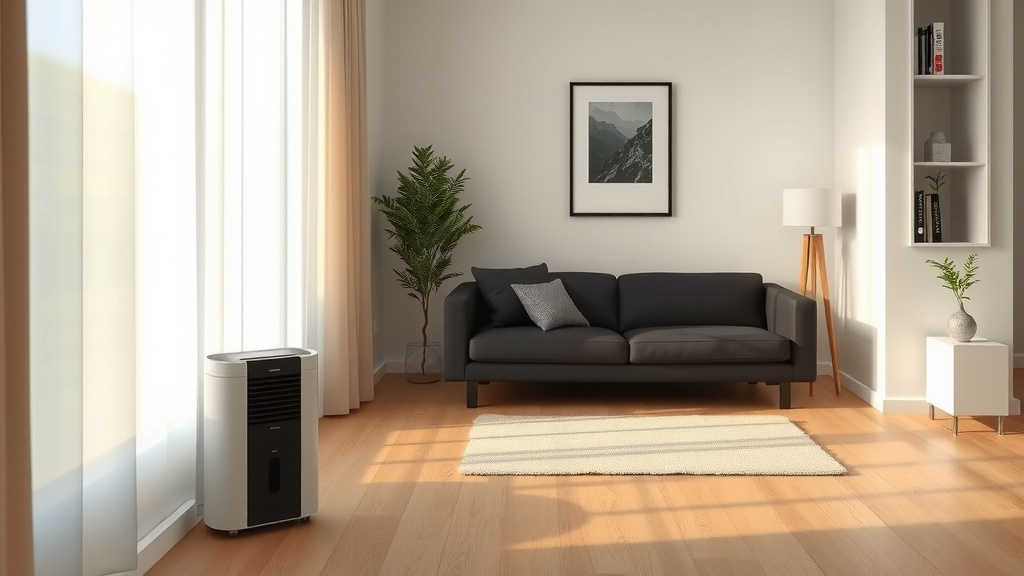
You often need to use a dehumidifier every day if your home consistently experiences high humidity levels, typically above 50-60%. This consistent use helps prevent mold growth, dust mites, and discomfort, especially in damp areas like basements or during humid seasons.
Running your dehumidifier daily is a smart move when you are struggling with persistent dampness, musty odors, or allergic reactions linked to moisture. It creates a healthier, more comfortable living space by keeping indoor humidity within optimal ranges.
Here’s a quick overview of what you’ll learn about daily dehumidifier use:
- Daily use is often essential in homes with consistent high humidity.
- It helps prevent common issues like mold, mildew, and dust mites.
- Optimal indoor humidity sits between 30% and 50%.
- In drier environments, you might only need your dehumidifier occasionally.
- Monitoring your home’s humidity with a hygrometer is crucial for smart operation.
Do You Need to Use a Dehumidifier Everyday?
Whether you need to use a dehumidifier every day truly depends on your home’s unique environment and the humidity outside. Many experts say that if your indoor humidity consistently stays above 50%, then daily operation is generally recommended to maintain a healthy and comfortable living space.
Why High Humidity Can Be a Problem
Too much moisture in your air isn’t just uncomfortable; it can lead to bigger issues. We found that high humidity creates a perfect breeding ground for mold, mildew, and dust mites. These common allergens can worsen respiratory conditions and even damage your home’s structure over time (CDC).
Imagine living in a house that always feels sticky and smells musty. That’s what high humidity does. It can make you feel sluggish, trigger allergies, and even make your wooden furniture warp. It’s like living in a perpetual sauna, and nobody wants that.
The Ideal Humidity Zone
Most HVAC professionals and health organizations suggest keeping your indoor relative humidity between 30% and 50%. This range is optimal for both human comfort and preventing moisture-related problems in your home. It’s like finding the perfect temperature, but for moisture.
When Daily Dehumidifier Use Becomes Your Best Friend
There are specific situations where letting your dehumidifier run consistently is not just helpful but truly necessary. Think of it as a crucial line of defense against unwanted moisture problems.
Tackling Damp Basements and Crawl Spaces
Basements and crawl spaces are notorious for being damp. Research often connects these areas with higher humidity due to their proximity to the ground and limited ventilation (NIH). Running a dehumidifier daily in these spaces can prevent musty odors and structural issues.
Battling Seasonal Humidity Spikes
During warm, rainy seasons or in naturally humid climates, outdoor air brings a lot of moisture inside. If you live in a region known for its muggy summers, daily dehumidifier use helps your home stay dry and comfortable. It’s like having an umbrella for your house on a rainy day.
Health Considerations for Everyday Use
If anyone in your household suffers from allergies, asthma, or other respiratory issues, maintaining low humidity is key. We found that dust mites and mold thrive in moist conditions, acting as common triggers for these health problems. Daily dehumidifier use can significantly reduce airborne allergens (Mayo Clinic).
Times When Less Is More: Intermittent Dehumidifier Use
Not everyone needs to run their dehumidifier around the clock. Your home’s specific conditions might mean you can save energy and still keep moisture at bay. It’s about being smart with your machine, not just running it blindly.
Living in Drier Climates
If you reside in an arid region or during naturally dry seasons, your home might not battle high humidity often. In these cases, you might only need to use your dehumidifier after specific activities like showering or during a rare rainy spell. It’s like only bringing out the heavy coat when it’s truly cold.
Well-Sealed, Modern Homes
Newer homes often boast better insulation and tighter seals, which inherently keep more outside air, including moisture, from getting in. If your home already does a good job of managing air exchange, intermittent use or even just monitoring might be enough to keep things balanced.
How to Check Your Home’s Humidity Levels
Knowing your home’s current humidity is the first step to smart dehumidifier use. You can easily check this with an inexpensive gadget called a hygrometer. Here’s a quick checklist:
- Buy a simple digital hygrometer.
- Place it in different rooms, especially damp areas.
- Monitor the readings throughout the day.
- Aim for readings between 30% and 50% relative humidity.
- Adjust your dehumidifier settings based on these numbers.
Recognising the Signs of Too Much Moisture
Your home often tells you when it’s too humid, even without a hygrometer. Keep an eye out for these tell-tale signs. They are like your home’s way of whispering, “Hey, I’m feeling a bit damp in here!”
You might notice condensation on windows or cold pipes. A persistent musty odor, especially in basements or closets, is another strong indicator. Peeling paint or wallpaper, as well as visible mold spots on walls or ceilings, are clear signals that your humidity is too high and needs attention.
Understanding Dehumidifier Energy Costs
Running a dehumidifier every day can add to your electricity bill, but the exact cost varies by model and local rates. Newer, energy-efficient models use less power, helping to offset the operational cost. The benefits of preventing mold and discomfort often outweigh the energy expense.
Here’s a simplified look at how usage might affect your costs:
| Usage Scenario | Typical Impact on Energy Bill | Benefits |
|---|---|---|
| Daily, Continuous Use | Higher monthly cost | Consistent humidity control, optimal mold prevention, year-round comfort. |
| Intermittent, As-Needed Use | Lower monthly cost | Targets specific damp periods, good for drier climates or well-sealed homes. |
Keeping Your Dehumidifier Running Smoothly
To ensure your dehumidifier works effectively, whether daily or occasionally, a little maintenance goes a long way. Think of it as giving your helpful moisture-battling friend a little TLC.
- Clean the air filter regularly, at least once a month. A dirty filter reduces efficiency.
- Empty the water bucket frequently or connect it to a drain if possible.
- Check for frost buildup on the coils and defrost if necessary.
- Keep the coils clean from dust and debris.
- Ensure adequate airflow around the unit; don’t block vents.
Choosing the Right Size
Selecting a dehumidifier with the correct capacity for your space is essential for efficient operation. A unit that’s too small will run constantly without achieving optimal results. Conversely, one that’s too large might cycle on and off too frequently. Always match the dehumidifier’s pint capacity to your room size and typical humidity level.
Balancing Comfort and Efficiency
Finding the sweet spot between a comfortable home and efficient energy use is a journey, not a destination. You want to feel good, but you also don’t want your energy bill to shock you. Monitoring your hygrometer and adjusting settings helps you achieve this balance, ensuring you’re only running the unit when it truly makes a difference.
Monitoring Your Indoor Environment
Using a hygrometer isn’t just a one-time thing; it’s an ongoing practice. Regularly checking your indoor humidity allows you to react quickly to changes caused by weather, open windows, or even a sudden shower. This proactive approach keeps your home consistently comfortable and healthy, making your dehumidifier a reactive tool rather than a constant fixture.
A Word on Your Well-being
Ultimately, deciding to use a dehumidifier daily often comes down to your personal health and comfort. A home free from excessive moisture just feels better. You’ll breathe easier, sleep more soundly, and enjoy your living space without the nagging worry of dampness or mold. It’s about creating an environment that supports your overall well-being.
Conclusion
So, do you need to use a dehumidifier everyday? The simple answer is often yes, especially if you live in a consistently humid environment or deal with specific moisture challenges like damp basements. Daily use helps maintain that ideal 30-50% humidity range, preventing mold, dust mites, and overall discomfort. However, for some, intermittent use in drier climates or well-sealed homes might be enough. Listen to your home, use a hygrometer, and let your dehumidifier be a smart tool in creating a healthier, happier living space for you and your family.
FAQs
How do I know if my home is too humid?
Look for signs like condensation on windows, a persistent musty smell, clammy air that feels sticky, or visible mold spots on walls and ceilings. A hygrometer will give you an exact reading; anything above 50% relative humidity is considered high.
Can a dehumidifier make the air too dry?
Yes, if set too low or run continuously without monitoring, a dehumidifier can over-dry the air, leading to issues like dry skin, irritated sinuses, or static electricity. Aim for 30-50% humidity to avoid this, which most units can be set to achieve automatically.
Where is the best place to put a dehumidifier in my home?
Place your dehumidifier in the dampest areas first, such as a basement, crawl space, or a central living area experiencing high humidity. Ensure it has at least six inches of clear space around it for proper airflow and efficiency.
How much electricity does a dehumidifier use daily?
The electricity usage varies significantly by the unit’s size, efficiency rating, and how long it runs. A typical 50-pint dehumidifier running for 12 hours might use between 400-700 watts, costing anywhere from $0.50 to over $1.00 per day, depending on your local electricity rates.
Should I open windows while running a dehumidifier?
No, it’s generally not recommended to open windows while your dehumidifier is running. Opening windows allows more humid air from outside to enter your home, making your dehumidifier work harder and less efficiently, effectively counteracting its purpose.
