
Do You Use a Dehumidifier When You’Re Sick?
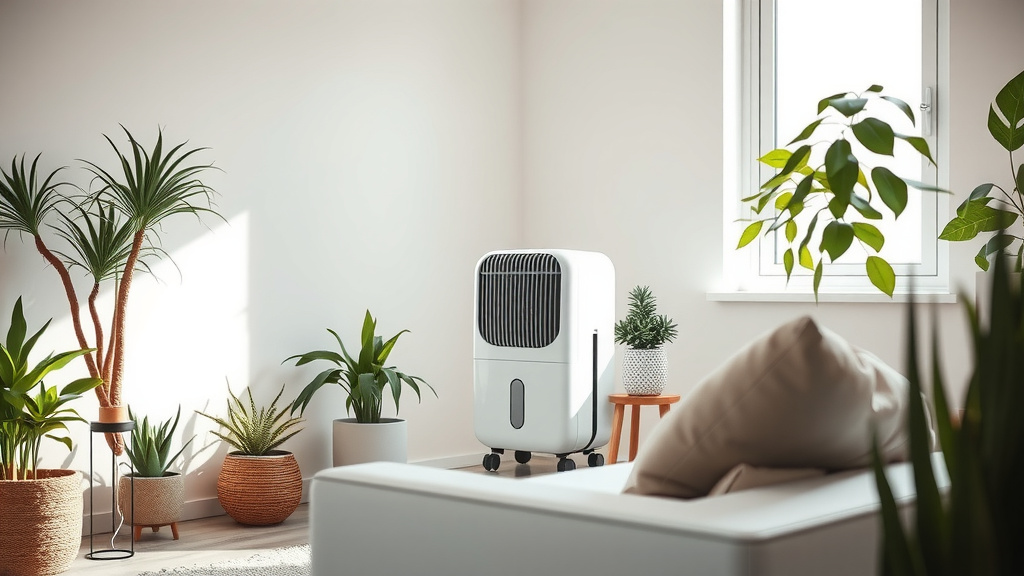
Yes, using a dehumidifier can be helpful when you’re sick, especially if your illness involves respiratory symptoms like congestion or coughing.
It works by controlling indoor humidity levels, which can make your environment more comfortable and less hospitable for common irritants that might worsen your condition.
- A dehumidifier can make you feel more comfortable when you’re feeling unwell, reducing that clammy, stuffy feeling.
- Maintaining optimal humidity levels (between 30% and 50%) is crucial for supporting respiratory health and comfort.
- Too much moisture in your air can encourage things like mold and dust mites, which can make allergies or asthma worse.
- Regular cleaning of your dehumidifier is key to ensuring it helps, not hinders, your recovery by not spreading irritants.
- Finding the right balance is important; you want to avoid making your air too dry, which can cause its own set of problems.
Do You Use a Dehumidifier When You’Re Sick?
You might wonder if firing up your dehumidifier is a good idea when you’re battling a cold, flu, or seasonal allergies. The short answer is often yes, it can be quite beneficial.
Many people find that controlling their home’s humidity level helps them breathe easier and feel more comfortable during illness. Let’s explore why this is the case and how you can use one effectively.
Why Humidity Matters When You’re Ill
Think about your body trying to heal. It’s already working hard, right? The air you breathe plays a bigger role than you might expect in your recovery and overall comfort.
Indoor air quality, particularly humidity, directly impacts how well your respiratory system functions. It can make a significant difference in how you feel when under the weather.
The “Sweet Spot” for Your Health
We found that maintaining indoor humidity between 30% and 50% is generally considered ideal for most people (Mayo Clinic). This range discourages the growth of many allergens and irritants.
When the air is too damp, you create a breeding ground. When it’s too dry, you can experience other issues. It’s all about finding that perfect balance for your personal comfort.
How Dehumidifiers Help with Illness Symptoms
When you’re sick, especially with a cold or allergies, your body is battling inflammation and irritation. High humidity can sometimes exacerbate these issues, making you feel worse.
A dehumidifier steps in to help create a healthier, more comfortable environment. It removes excess moisture, tackling some common problems directly.
Easing Congestion and Allergies
Have you ever noticed how a muggy room makes you feel even more stuffy? Excess moisture in the air can make nasal passages swell slightly, worsening congestion.
A drier environment, within that 30-50% range, often allows for easier breathing. It can help reduce that heavy, uncomfortable feeling in your chest and sinuses.
Preventing Irritants from Thriving
High humidity is a welcome mat for several common household irritants. Things like mold spores, dust mites, and even certain bacteria absolutely love a moist environment.
These tiny culprits can trigger or worsen allergic reactions and asthma symptoms (NIH). By keeping humidity down, you essentially tell these unwelcome guests to pack their bags.
Consider this simple comparison of humidity levels and their effects:
| Humidity Level | Potential Impact When Sick | Dehumidifier Role |
|---|---|---|
| Above 60% (Too Humid) | Increased mold, dust mites; worsened congestion, allergies, asthma. | Essential for reduction, creating a drier, healthier space. |
| 30% – 50% (Optimal) | Supports respiratory comfort; minimizes irritant growth. | Maintains balance, prevents spikes in moisture. |
| Below 30% (Too Dry) | Dry nasal passages, sore throat, irritated skin; increased virus spread. | Should be turned off; consider a humidifier instead. |
When a Dehumidifier Might Not Be Best
While often helpful, a dehumidifier isn’t always the right choice. It’s important to listen to your body and observe your environment. Sometimes, too little humidity can cause problems of its own.
Finding the right balance for your personal comfort and health needs is always the top priority. What feels right for one person might be different for another.
Too Dry Is Also a Problem
Just as too much humidity can be problematic, so can too little. If your air becomes overly dry, you might experience new symptoms that are just as uncomfortable.
Dry air can irritate your nasal passages and throat, leading to a scratchy cough or nosebleeds. It can also dry out your skin and eyes, adding to your discomfort (Cleveland Clinic).
Always aim for that middle ground of 30-50% humidity. If your humidity drops below this range, turn off your dehumidifier. In some cases, a humidifier might even be needed if your air is naturally very dry.
Choosing the Right Dehumidifier for Your Home
If you decide a dehumidifier is right for your sick-day setup, choosing the correct unit is a good next step. Not all dehumidifiers are created equal, and size definitely matters.
Think about the area you want to treat, whether it’s just your bedroom or a larger living space. This will help you select a unit that performs optimally without overworking.
Size and Capacity Considerations
Dehumidifiers are rated by how many pints of moisture they can remove from the air in 24 hours. A larger room or a very damp environment will need a higher capacity unit.
For a single bedroom, a smaller portable unit might be sufficient. For a whole floor or a very damp basement, you’ll need a much larger capacity model for effective humidity control.
Features to Look For
Modern dehumidifiers come with various features that can make them more user-friendly. An adjustable humidistat is key, allowing you to set your desired humidity level.
Look for features like auto shut-off (when the bucket is full), continuous drainage options, and quiet operation. A built-in timer can also be handy for specific usage periods.
Maintenance Tips for a Healthy Home
A dehumidifier is a tool, and like any tool, it needs a bit of care to work its best. Regular maintenance is essential, especially when using it to support your health.
A neglected dehumidifier can become a source of problems itself, potentially circulating dust or mold if not kept clean. Simple steps go a long way.
Cleaning Your Unit Regularly
The water reservoir of your dehumidifier can become a breeding ground for mold and bacteria if not emptied and cleaned often. Many experts suggest doing this at least once a week.
Always follow the manufacturer’s cleaning instructions. This usually involves wiping down the tank with a mild soap solution and cleaning or replacing the air filter. A clean filter ensures the unit runs efficiently and removes particles effectively.
- Empty the water bucket often: Don’t let water sit for long periods.
- Clean the bucket: Use mild soap and water weekly to prevent mold growth.
- Check the air filter: Clean or replace it monthly, or as suggested by the manufacturer.
- Wipe down exterior: Keep the outside clean of dust and debris.
- Ensure good airflow: Don’t block the unit’s vents.
Conclusion
Using a dehumidifier when you’re sick can be a simple yet effective way to improve your comfort and support your recovery. By maintaining optimal humidity levels, you can create an environment that’s less welcoming to irritants and more conducive to easier breathing.
Remember to aim for that sweet spot of 30-50% humidity, clean your unit regularly, and listen to your body’s signals. A well-maintained dehumidifier can be a helpful ally in your quest for comfort when you’re feeling unwell.
Can a dehumidifier make a cold worse?
Generally, no, if used correctly. If the dehumidifier makes the air too dry (below 30% humidity), it could irritate your nasal passages and throat, potentially worsening a cough or creating discomfort. The key is to maintain a balanced humidity level.
Is it better to have a humidifier or dehumidifier when you have a cough?
It depends on the type of cough and the existing humidity in your home. For a dry, scratchy cough in dry air, a humidifier might be better. For a wet, congested cough in humid air, a dehumidifier could help. Check your indoor humidity with a hygrometer first to guide your decision.
How quickly can a dehumidifier affect air quality?
You can often feel the effects of a dehumidifier on air quality fairly quickly, sometimes within a few hours, especially in a smaller room. The speed depends on the unit’s capacity, the room size, and how high the initial humidity was. Consistent use creates lasting improvement.
Should I run my dehumidifier all day when I’m sick?
You can run your dehumidifier as needed to maintain humidity between 30% and 50%. Many units have an auto mode or humidistat that will turn them on and off to maintain your set level. You don’t necessarily need to run it constantly, but rather as long as necessary to keep the air comfortable.
Can a dehumidifier help with asthma or allergy symptoms?
Yes, many experts say dehumidifiers can help manage asthma and allergy symptoms by reducing moisture. This makes it harder for common triggers like dust mites, mold spores, and mildew to thrive, which often worsen respiratory conditions. It’s a proactive step in managing your indoor environment.
