
Does a Dehumidifier Get Rid of Radon?
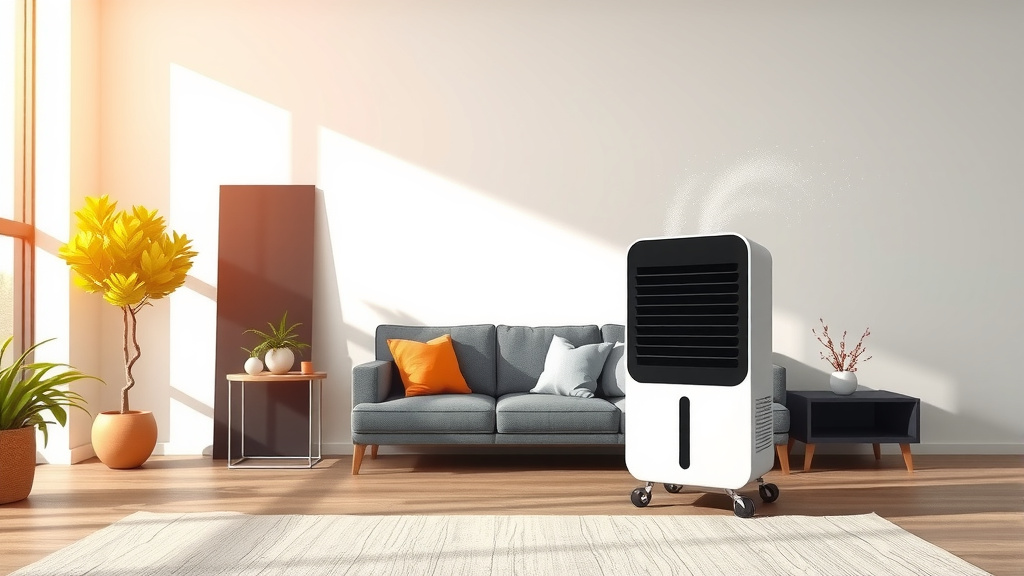
No, a dehumidifier does not get rid of radon gas directly. While it can improve indoor air quality by reducing humidity, it cannot remove the radioactive particles that make up radon.
Radon is a naturally occurring radioactive gas that requires specific mitigation strategies. A dehumidifier’s function is to lower moisture levels, not to filter out hazardous gases like radon.
Here’s a quick look at what you need to know about dehumidifiers and radon:
- Dehumidifiers do not remove radon gas from your home.
- Radon is a radioactive gas that enters homes from the ground.
- High humidity is a different problem from radon exposure.
- You need specialized systems for radon mitigation, not a dehumidifier.
- Always test your home for radon levels to know your risk.
Does a Dehumidifier Get Rid of Radon?
A dehumidifier does not directly remove radon gas. Radon is a radioactive gas, and its mitigation requires specialized systems. You might wonder if a dehumidifier could help somehow, but its primary role is to manage moisture.
Think of it this way: a dehumidifier is like a sponge for airborne water. It pulls water vapor from the air, making your home feel less sticky. But radon is a gas, not water, and it needs a different kind of solution.
Understanding Radon: The Invisible Threat
What exactly is radon, and why is it such a concern? Radon is a colorless, odorless, and tasteless radioactive gas. It comes from the natural breakdown of uranium in soil and rock. This gas can seep into your home through cracks in the foundation or other openings.
Many experts say radon is a leading cause of lung cancer for non-smokers (EPA). You can’t see, smell, or taste it, making it a truly silent danger. This is why testing your home is so important.
How Radon Enters Your Home
Radon gas usually enters your home from the ground underneath. It can find its way through cracks in concrete slabs, floor-wall joints, and even gaps around pipes. The air pressure inside your home is often lower than the pressure in the soil, which acts like a vacuum, pulling radon in.
We found that any home, new or old, with or without a basement, can have a radon problem (CDC). It’s not about how well-built your home is; it’s about the soil beneath it.
Dehumidifiers: What They Actually Do
So, if they don’t tackle radon, what exactly are dehumidifiers good for? They are fantastic at reducing excess moisture in your home. High humidity can cause many issues, from mold growth to musty odors. A good dehumidifier can make your living space much more comfortable.
We found that controlling humidity can prevent damage to furniture and electronics. It also helps with allergies for some people by stopping mold and dust mites from thriving. These are all great benefits, but they don’t involve radon.
Why a Dehumidifier Won’t Remove Radon
The core difference lies in what each device is designed to do. A dehumidifier works by cooling air over coils, condensing water vapor, and collecting it. It doesn’t have filters or systems designed to capture or neutralize radioactive gas particles.
Radon particles are microscopic and gaseous. They simply pass through a dehumidifier untouched. It’s like trying to catch a mosquito with a fishing net – the tools aren’t matched for the job.
The Dangers of High Radon Levels
You might be wondering about the real risks. Prolonged exposure to high levels of radon can lead to lung cancer. The radioactive particles from radon can damage the cells lining your lungs. Over time, this damage can turn into cancer.
Research often connects radon exposure to thousands of deaths each year (National Cancer Institute). This serious health risk is why dedicated radon mitigation is essential.
When Humidity and Radon Overlap (But Don’t Mix)
While a dehumidifier doesn’t remove radon, both issues can arise from your home’s foundation. High humidity can sometimes indicate moisture problems in a basement, which might also have entry points for radon. They are separate problems with separate solutions, but they can both show up in the same area.
Many homeowners choose to address both issues for overall home health. Improving air circulation and sealing cracks for moisture can sometimes indirectly help slightly with radon entry, but it’s not a mitigation strategy.
Testing for Radon: Your First Step
The only way to know if you have a radon problem is to test for it. You can buy simple, inexpensive radon test kits online or at hardware stores. These kits are easy to use and can give you a clear picture of your home’s radon levels.
If your test results show high radon levels, don’t panic. There are effective solutions available. Testing provides the critical data you need to take the right action.
| Feature | Dehumidifier | Radon Mitigation System |
|---|---|---|
| Primary Function | Reduces humidity | Removes radon gas |
| What it removes | Water vapor | Radon gas particles |
| Installation | Portable or fixed unit | Ventilation system, sealed cracks |
| Health Benefit | Prevents mold, dust mites | Reduces lung cancer risk |
| Cost | Lower initial cost | Higher initial investment |
Real Solutions for Radon Mitigation
If your radon test results are high, you’ll need a dedicated radon mitigation system. These systems work by drawing radon gas from beneath your home and venting it safely outside. The most common method is called “sub-slab depressurization.”
This system uses a fan to create negative pressure under your foundation. It effectively sucks the radon gas out before it can enter your living spaces. Experts recommend contacting a certified radon professional for proper installation (EPA).
What if I have high humidity AND high radon?
It’s entirely possible to face both issues. In such cases, you would need both a dehumidifier for moisture control and a separate radon mitigation system for gas removal. Treating one does not solve the other.
You should prioritize installing a radon mitigation system if your levels are high. Then, you can address humidity for comfort and mold prevention. Addressing both creates a much safer and healthier indoor environment.
Maintaining a Healthy Home Environment
Keeping your home safe and comfortable means addressing various factors. Humidity, radon, and general air quality all play a part. Here’s a quick checklist for a healthier home:
- Test your home for radon gas regularly.
- Install a radon mitigation system if levels are high.
- Use a dehumidifier to maintain optimal humidity levels.
- Ensure proper ventilation throughout your home.
- Seal any cracks or openings in your foundation.
Conclusion
To wrap things up, a dehumidifier is a powerful tool for controlling moisture and improving indoor air quality, but it has no effect on radon gas. Radon is a serious health risk that demands a specific, professional mitigation strategy. Your best course of action is always to test your home for radon.
If tests show high levels, consult with certified radon professionals immediately. You deserve to feel safe in your home, and understanding the distinct roles of a dehumidifier versus a radon mitigation system is a big step toward achieving that peace of mind.
Frequently Asked Questions
Can I use an air purifier to get rid of radon?
No, an air purifier, much like a dehumidifier, is not designed to remove radon gas. Air purifiers primarily filter out particles like dust, pollen, and some volatile organic compounds (VOCs). Radon is a radioactive gas, not a particle that an air purifier can effectively capture or neutralize.
How do I know if I have radon in my home?
The only way to know if your home has radon is through testing. You cannot see, smell, or taste radon. You can purchase short-term or long-term radon test kits from hardware stores or online, or hire a qualified professional to conduct the testing for you.
What is considered a dangerous level of radon?
The EPA recommends taking action to reduce radon if the level is 4 picocuries per liter (pCi/L) or higher. While action is strongly advised at 4 pCi/L, consider mitigation even for levels between 2 and 4 pCi/L. There is no truly safe level of radon exposure.
Are radon mitigation systems expensive to install?
The cost of installing a radon mitigation system can vary widely depending on your home’s design and the extent of the radon problem. On average, systems can cost anywhere from several hundred to a couple of thousand dollars. It is a one-time investment for ongoing safety.
Does opening windows help reduce radon levels?
Opening windows can temporarily reduce radon levels by increasing ventilation, but it is not a reliable or long-term solution. Relying on open windows is impractical, especially in extreme weather, and doesn’t address the source of radon entry. A professional mitigation system provides consistent protection.
