
Does a Dehumidifier Get Rid of Smoke?
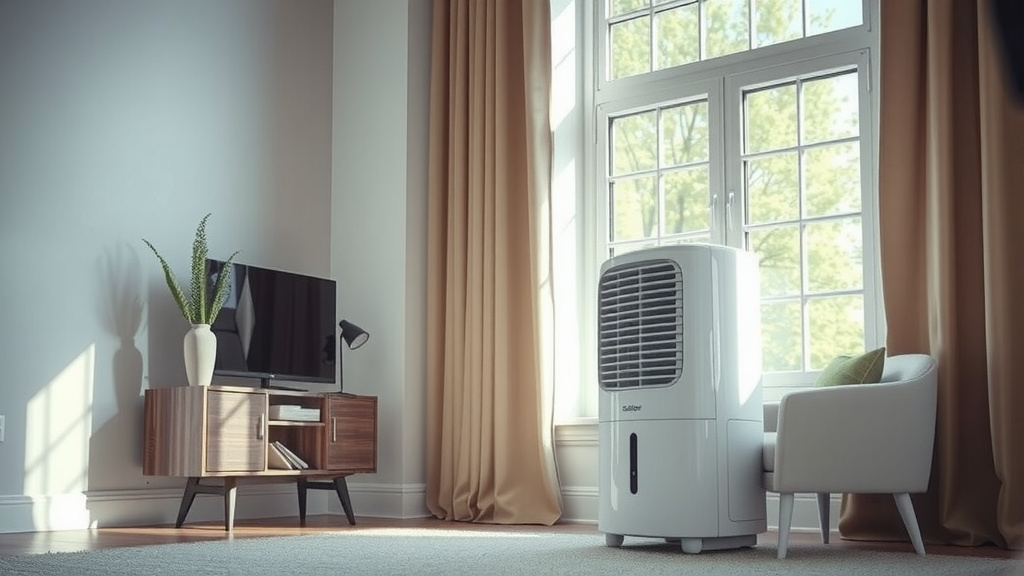
A dehumidifier primarily removes excess moisture from the air, but it does not directly get rid of smoke particles or the pungent odors associated with smoke. Its main function targets humidity, not airborne contaminants.
While a dehumidifier can make a room feel less stuffy by reducing humidity, it lacks the filtration mechanisms needed to effectively eliminate smoke, soot, or toxic gases from your indoor environment. You’ll need specialized equipment for that.
- Dehumidifiers tackle moisture, not smoke particles or smells.
- Smoke contains tiny particles and gases that require air purifiers with strong filters.
- Humidity can make smoke odors feel worse, so a dehumidifier might offer a minor indirect effect.
- For effective smoke removal, focus on ventilation, air purifiers, and thorough cleaning.
- Don’t rely on a dehumidifier as your primary smoke solution; it’s designed for different problems.
Does a Dehumidifier Get Rid of Smoke?
No, a dehumidifier does not directly get rid of smoke. Its core purpose is to extract moisture from the air, helping to control humidity levels in your home.
Smoke is a complex mix of solid particles, liquid droplets, and gases. A standard dehumidifier simply isn’t equipped to filter these out.
Understanding What Dehumidifiers Do
Think of your dehumidifier like a sponge for the air. It pulls in humid air over a cold coil, causing moisture to condense into water droplets.
This collected water then drips into a bucket or drains away. The dry air is then released back into your space, making it feel much more comfortable.
Its primary goal is to prevent issues like mold growth, mildew, and musty odors by maintaining optimal humidity levels (EPA recommends 30-50%).
What Exactly Is Smoke Made Of?
Smoke isn’t just one thing. When something burns, it releases a cocktail of very fine particles, sometimes called soot, plus invisible gases and tiny liquid aerosols.
These particles are incredibly small, often much tinier than what a dehumidifier is designed to handle. They can irritate your lungs and linger in fabrics for a long time.
The odor molecules from smoke are also distinct and require a different approach for removal, as we’ve found through research on indoor air quality (NIH).
Why Dehumidifiers Miss the Mark on Smoke
Your dehumidifier is built with a fan and a cooling coil. It doesn’t have the specialized filters needed to capture microscopic smoke particles or absorb gas molecules.
Imagine trying to catch sand with a fishing net. It just won’t work. The gaps in the dehumidifier’s system are too large for smoke.
Even if some larger soot particles were to get trapped, the core problem of the **smoke odor and fine particulates** would remain.
What Truly Gets Rid of Smoke?
To effectively combat smoke, you need tools that directly address its composition: particles, gases, and odors. Dehumidifiers just aren’t those tools.
Many experts point to a multi-faceted approach involving ventilation and proper filtration as the best strategy (Mayo Clinic).
The Power of Air Purifiers
An air purifier is your go-to device for smoke. It uses different types of filters specifically designed to trap pollutants.
High-Efficiency Particulate Air (HEPA) filters are excellent at capturing tiny smoke particles, including soot. They can trap 99.97% of particles as small as 0.3 microns.
Additionally, air purifiers often include activated carbon filters. These are crucial for absorbing the gas molecules that create smoke odors. We often find that a combination of these filters offers the best defense against smoke.
The Role of Ventilation
Opening windows and doors is one of the simplest and most effective ways to remove smoke. It allows fresh air to dilute and push out the smoky air.
Using exhaust fans in kitchens and bathrooms also helps pull smoky air directly outside. This creates a natural airflow that cleanses your indoor environment.
Good ventilation is your first line of defense, especially when dealing with active smoke from cooking or other sources.
Deep Cleaning and Odor Removal
Smoke odors cling to surfaces, fabrics, and even walls. Simply removing the airborne smoke isn’t enough; you need to clean thoroughly.
Wash curtains, upholstery, and clothing. Wipe down hard surfaces with appropriate cleaners. Even painting walls can help seal in persistent odors.
For tough odors, specialized smoke odor eliminators or professional cleaning services might be necessary. Research often connects thorough cleaning with lasting odor eradication.
Can a Dehumidifier Help with Smoke at All? (Indirectly)
While not a direct solution, a dehumidifier might offer some indirect, minor benefits when smoke is present. It’s not about removing the smoke itself, though.
Many people report that reducing humidity can make a smoky environment feel a little less oppressive. This feeling is more about comfort than actual air purification.
Reducing Musty Odors That Trap Smoke Smell
High humidity often leads to musty smells in homes. These musty odors can sometimes amplify or trap other bad smells, including smoke.
By lowering humidity, a dehumidifier can reduce the background mustiness, making the smoke odor seem less intense. It won’t remove the smoke smell, but it might make it less prominent.
Think of it like clearing out some clutter so you can better focus on the main problem. It prepares the environment for more direct interventions.
Making the Air Feel “Cleaner”
When the air is less humid, it often feels lighter and fresher. This improved comfort can create the illusion that the air is cleaner, even if the smoke particles are still there.
This psychological effect is important for your comfort, but it shouldn’t be mistaken for actual smoke removal. Your lungs will still be dealing with the smoke.
We’ve found that people often associate low humidity with better air quality, even when allergens or pollutants are present (Cleveland Clinic).
Dehumidifier vs. Air Purifier for Smoke
Let’s clarify the key differences between these two useful appliances, especially when dealing with smoke.
They serve entirely different functions for your indoor air, and understanding this helps you choose the right tool for the job.
| Feature | Dehumidifier | Air Purifier |
|---|---|---|
| Primary Function | Removes excess moisture | Removes airborne contaminants |
| Targets | Humidity, mold, mildew | Particles (smoke, dust, pollen), odors, gases |
| Mechanism | Condensation on cold coils | Filters (HEPA, activated carbon) |
| Effectiveness on Smoke | Minimal to none (indirect only) | High (with proper filters) |
| Benefit for Air Quality | Prevents mold, reduces mustiness | Cleans air of pollutants, reduces odors |
Choosing the Right Tool for the Job
If your primary concern is smoke, an air purifier is the undeniable champion. It has the filtration power to tackle smoke particles and odors head-on.
If you also have high humidity issues, you might consider using both a dehumidifier and an air purifier. They can work together, but they perform distinct tasks.
For example, you might run a dehumidifier in a damp basement and an air purifier in a living area affected by smoke. Each tool has its specialized purpose.
Your Checklist for Tackling Smoke
When smoke becomes an unwelcome guest in your home, follow these steps for effective removal:
- Ventilate immediately: Open windows and use fans.
- Use an air purifier: Ensure it has HEPA and activated carbon filters.
- Clean all surfaces: Wipe down walls, furniture, and hard floors.
- Wash fabrics: Curtains, bedding, clothing, and even stuffed toys.
- Change air filters: Replace your HVAC system filter regularly.
- Consider professional help: For severe smoke damage, experts are invaluable.
Conclusion
While a dehumidifier is a fantastic appliance for controlling moisture and preventing mold, it simply isn’t designed to get rid of smoke. Smoke, with its microscopic particles and pervasive odors, requires specialized filtration and robust ventilation to truly be eradicated from your home.
If you’re battling smoke, your best allies are a high-quality air purifier with HEPA and activated carbon filters, combined with good ventilation and thorough cleaning. While a dehumidifier might indirectly make the air feel a bit more comfortable by reducing humidity, it won’t remove the actual smoke or its lingering smell. Use the right tool for the job to ensure your home’s air is truly clean and healthy.
Can a dehumidifier remove cigarette smoke smell?
No, a dehumidifier cannot remove cigarette smoke smell directly. The smell comes from gas molecules and tiny particles, which dehumidifiers are not equipped to filter. An air purifier with an activated carbon filter is much more effective for odors.
Will a dehumidifier help with wildfire smoke indoors?
A dehumidifier will not effectively help with wildfire smoke indoors. Wildfire smoke consists of extremely fine particulate matter and hazardous gases. You need an air purifier with a HEPA filter and possibly an activated carbon filter to capture these pollutants.
Does lowering humidity make smoke less noticeable?
Lowering humidity might make the air feel fresher and less stuffy, which could, in turn, make the smoke odor feel slightly less intense or oppressive. However, this is an indirect effect related to comfort, not actual removal of smoke particles or odor molecules.
What’s the difference between an air purifier and a dehumidifier for smoke?
An air purifier actively filters airborne particles and gases, using HEPA and activated carbon filters to remove smoke. A dehumidifier removes moisture from the air through condensation, without any specialized filtration for smoke. They tackle entirely different problems.
Should I use both a dehumidifier and an air purifier for overall air quality?
Yes, using both a dehumidifier and an air purifier can be beneficial for overall air quality, especially if you have both high humidity and airborne pollutants. They perform complementary roles: the dehumidifier controls moisture, and the air purifier cleans the air of particles and odors.
