
Does a Dehumidifier Help with Cockroaches?
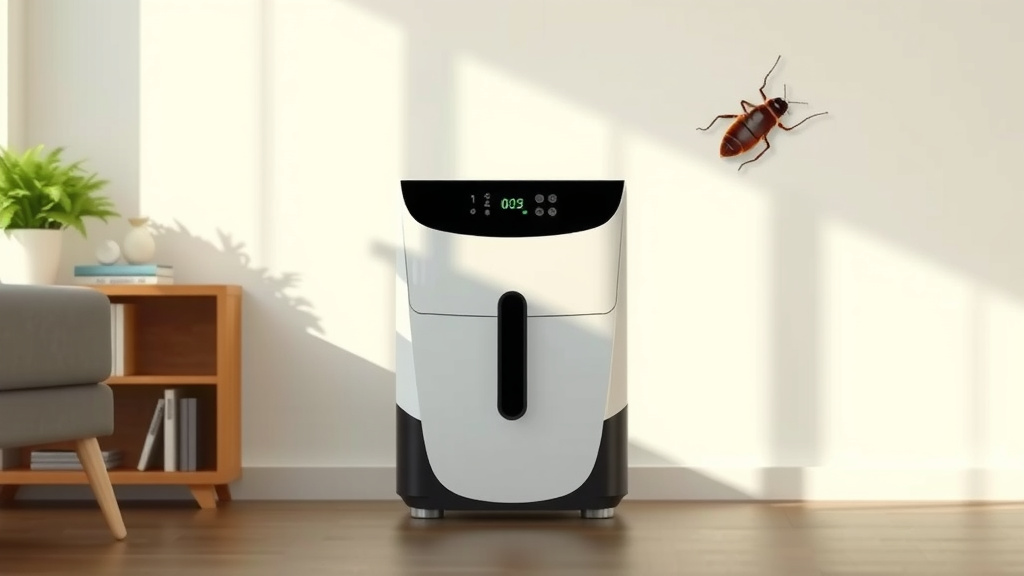
Yes, a dehumidifier can significantly help with cockroaches by removing the excess moisture they need to thrive and reproduce. By making your home less humid, you create an inhospitable environment that drives these pests away.
Reducing humidity levels below 50% makes it much harder for cockroaches to survive, forcing them to seek damper locations or dehydrate. This simple step can be a powerful tool in your pest control strategy.
Here’s a quick overview of why a dehumidifier is your ally against cockroaches:
- Cockroaches need moisture to live and breed, especially American and German roaches.
- A dehumidifier dries out the air, robbing them of this vital resource.
- Lower humidity levels stress cockroaches, making your home less attractive.
- It works best as part of a comprehensive pest control plan, not as a standalone solution.
- Using a dehumidifier regularly creates a long-term deterrent against these unwanted guests.
Does a Dehumidifier Help with Cockroaches?
Absolutely, a dehumidifier is a valuable tool in your fight against cockroaches. It directly impacts their survival by stripping away the humidity they crave.
Many experts agree that controlling moisture is a critical step in managing pest infestations (CDC).
Understanding Cockroaches: The Humidity Connection
Cockroaches are masters of survival, but they have a weakness: they are highly dependent on moisture. They need water to regulate their body temperature and to metabolize food.
Without sufficient humidity, they struggle to survive, reproduce, and even molt effectively. Think of them as tiny, unwelcome sponges.
Why Humidity Attracts These Pests
Warm, damp places are like five-star resorts for cockroaches. Areas with high humidity offer easy access to the water they need daily.
Research suggests that many common cockroach species, like the American cockroach, prefer environments with over 70% relative humidity.
How a Dehumidifier Changes the Game
A dehumidifier works by pulling excess moisture from the air, lowering the relative humidity in a room. This simple action directly disrupts the cockroach lifecycle.
You’re essentially making your home a less comfortable place for them to hang out and multiply.
Creating a Hostile Environment
When the air becomes dry, cockroaches start to experience water loss from their bodies. This forces them to spend more energy searching for alternative moisture sources.
Ultimately, a persistent lack of humidity can lead to their dehydration and demise. We found that consistently low humidity deters new infestations.
Ideal Humidity Levels for Cockroach Control
To effectively deter cockroaches, aim for a relative humidity level between 30% and 50% in your home. This range is comfortable for humans and miserable for roaches.
Using a hygrometer, a small device that measures humidity, helps you keep tabs on your progress.
- Better Air Quality: Lower humidity can reduce mold and mildew growth.
- Comfort for You: Your home feels cooler and less clammy.
- Protect Your Belongings: Less moisture helps preserve wood, books, and electronics.
- Energy Savings: Your air conditioner might not work as hard.
Where to Place Your Dehumidifier
Strategic placement is key for maximum impact against cockroaches. Focus on areas where moisture tends to accumulate and where you’ve seen roach activity.
Common hotspots include basements, bathrooms, laundry rooms, and kitchens. Consider running smaller units in multiple problem areas.
Strategic Placement for Maximum Impact
For instance, a basement often benefits most from a dehumidifier due to its naturally higher humidity levels. Similarly, a bathroom without proper ventilation is a prime spot.
Think about where water sources might be, such as leaky pipes or sinks, and place your unit nearby.
Dehumidifiers as Part of a Bigger Plan
While a dehumidifier is a strong ally, it’s rarely a magic bullet on its own. It works best when combined with other smart pest control tactics.
Think of it as one powerful piece of a larger puzzle to keep your home pest-free.
The Power of an Integrated Approach
Integrating humidity control with other methods creates a multi-layered defense. This approach tackles the problem from several angles, making it much harder for roaches to recover.
Many pest control guidelines point to this comprehensive strategy for lasting results (NIH).
Other Essential Cockroach Control Methods
Reducing humidity is fantastic, but don’t forget the fundamentals. Good hygiene and diligent home maintenance are your front-line defenses.
Combine these efforts with your dehumidifier for the best results.
Sealing Entry Points: A Key Step
Cockroaches can squeeze through surprisingly tiny cracks. Seal any gaps around pipes, in walls, and around windows and doors.
Use caulk or steel wool to block their access points into your living spaces.
Sanitation is Your Best Friend
Keep your kitchen spotless. Wipe up spills immediately, store food in airtight containers, and take out the trash regularly.
Leaving crumbs or open food is an open invitation for these unwanted visitors.
| Cockroach Species | Preferred Environment | Humidity Sweet Spot |
|---|---|---|
| German Cockroach | Warm, humid, food-rich areas (kitchens, bathrooms) | 75-95% RH |
| American Cockroach | Warm, dark, damp places (basements, sewers) | Over 70% RH |
| Oriental Cockroach | Cool, dark, very damp areas (drains, garages) | High humidity, loves standing water |
| Brown-Banded Cockroach | Warm, dry, high places (ceilings, cabinets) | Lower humidity tolerated (still prefers some moisture) |
Here’s a quick checklist to help you win the battle against cockroaches:
- Regularly empty and clean your dehumidifier’s water tank.
- Fix any leaky pipes, faucets, or drains promptly.
- Clean up food crumbs and spills immediately after meals.
- Store all food, including pet food, in sealed containers.
- Seal cracks and crevices in your walls, floors, and around pipes.
- Avoid leaving dirty dishes in the sink overnight.
Potential Drawbacks or Limitations
While highly effective, a dehumidifier isn’t a silver bullet. It won’t eliminate an existing, heavy infestation on its own.
Also, running a dehumidifier adds a small amount to your electricity bill, so consider that operational cost.
Monitoring Your Home’s Humidity
To ensure your dehumidifier is working effectively, invest in a simple hygrometer. This device gives you real-time readings of your home’s humidity levels.
Place it in problem areas to verify you are maintaining that crucial 30-50% humidity range.
Conclusion
Using a dehumidifier is a genuinely practical and effective strategy for managing cockroach problems in your home. By actively reducing indoor humidity, you strip away a fundamental requirement for these pests to thrive.
While not a standalone cure, it’s a powerful component of an integrated pest management plan. Combine it with good sanitation, sealing entry points, and diligent monitoring, and you’ll create a much less welcoming environment for cockroaches. Your efforts will lead to a drier, more comfortable home for you and a distinctly unpleasant one for them.
FAQs
How quickly does a dehumidifier affect cockroach activity?
You might notice a decrease in cockroach activity within a few days to a week. As the environment dries out, they will become more stressed and actively seek other, more humid locations. Consistency in maintaining low humidity is key.
Will a dehumidifier eliminate all cockroaches?
A dehumidifier alone is unlikely to eliminate every single cockroach, especially if you have a severe infestation. It is an excellent deterrent and control measure, but it works best when combined with other pest control methods like traps, baits, and sealing entry points.
Can I use a dehumidifier in every room for cockroach control?
You can certainly use a dehumidifier in any room prone to high humidity and cockroach activity. However, it’s often more practical and cost-effective to focus on basements, kitchens, and bathrooms, where moisture is typically highest. Portable units can be moved as needed.
Are there specific types of dehumidifiers better for pest control?
Any dehumidifier that effectively reduces and maintains relative humidity between 30-50% will be helpful. Look for models with a humidistat, which allows you to set a target humidity level. Whole-house systems offer the most comprehensive control.
What other benefits does lower home humidity offer besides pest control?
Lower humidity makes your home feel more comfortable and can even reduce cooling costs by making the air feel less sticky. It also helps prevent mold and mildew growth, protects wooden furniture and floors from warping, and can improve overall indoor air quality by reducing allergens.
