
Does a Dehumidifier Help with Covid?
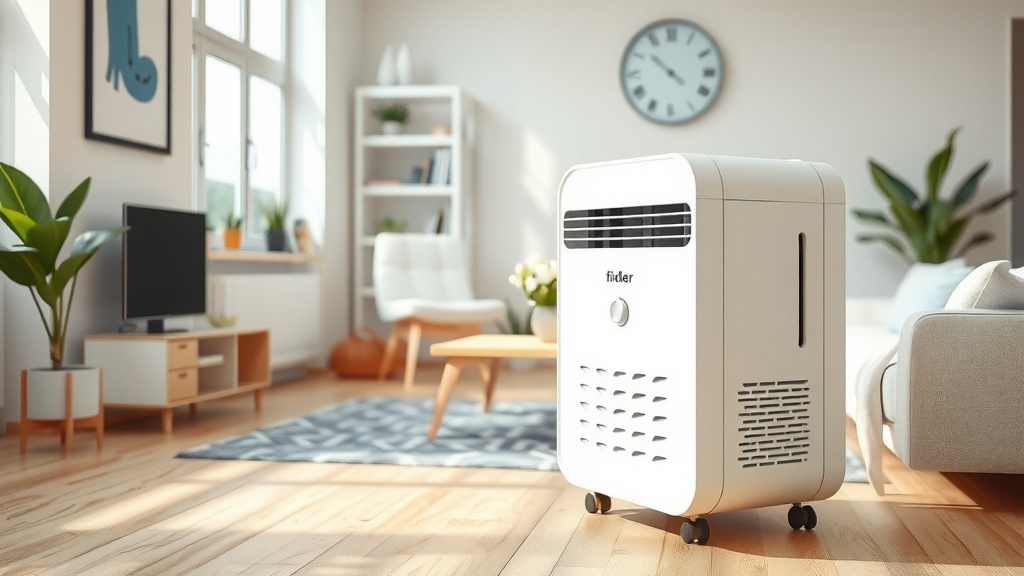
A dehumidifier does not directly kill the COVID-19 virus or cure the illness.
Its role is to control indoor humidity levels, creating an environment that may be less hospitable for virus particles and more supportive for your respiratory well-being.
Here’s a quick look at what we’ll cover:
- While not a direct treatment, a dehumidifier can help maintain optimal indoor humidity.
- Ideal humidity levels (40-60%) are thought to reduce how long viruses survive and how far they travel.
- Keeping humidity balanced also supports your respiratory system, making it more comfortable.
- Using a dehumidifier can reduce mold and dust mites, improving overall air quality at home.
- It’s one tool in a bigger strategy for a healthier indoor space, especially during cold and flu season.
Does a Dehumidifier Help with Covid?
No, a dehumidifier does not directly combat the COVID-19 virus itself. It works by managing the moisture in your air, which can have an indirect effect on your health and the indoor environment.
Understanding Humidity and Viruses
Think about how viruses move. They often hitch a ride on tiny respiratory droplets. These droplets float in the air when we cough, sneeze, or even talk. Humidity affects these droplets.
The “Goldilocks Zone” of Humidity
Imagine a sweet spot, not too dry, not too wet. Research suggests that a relative humidity between 40% and 60% is ideal (CDC). When the air is too dry, these droplets can shrink, stay airborne longer, and travel further. When it’s too humid, they might also linger or fall slowly. Maintaining the “Goldilocks Zone” can make your home less friendly to many airborne pathogens, including viruses.
Studies have shown that viruses like influenza may survive longer and spread more easily in very dry or very humid conditions (NIH). Keeping your indoor air balanced can therefore be a smart move for respiratory health.
How a Dehumidifier Works
A dehumidifier is essentially a moisture-removing device. It pulls in warm, moist air, cools it to condense the water vapor, and then releases drier air back into your room. The collected water goes into a tank that you empty. It’s a simple process that can make a big difference in comfort.
Dehumidifiers and Indoor Air Quality
Beyond potential viral impacts, a dehumidifier can vastly improve your home’s air quality. High humidity often leads to musty smells, sticky feelings, and the growth of mold and mildew. Mold spores can irritate your lungs and worsen allergies. Removing excess moisture helps prevent these unwanted guests in your home.
Can a Dehumidifier Directly “Kill” COVID-19?
Let’s be clear: a dehumidifier will not “kill” COVID-19. It is not a disinfectant. It does not purify the air of viral particles directly. Instead, it aims to adjust the environment to make it less hospitable for virus survival on surfaces or in the air, according to many public health discussions.
Indirect Benefits of Optimal Humidity Control
So, if it doesn’t kill the virus, why bother? Keeping your home’s humidity in that 40-60% range supports your body. Your respiratory system, including your nose and throat, works best when it’s not too dry. This can make your natural defenses more effective against airborne irritants. It’s about creating a more supportive internal environment for yourself.
Creating a Healthier Home Environment
Think of it as setting the stage for good health. A home with balanced humidity feels more comfortable. You might sleep better, and suffer less from dry skin or irritated sinuses. It’s a step towards a generally healthier living space for everyone.
When Your Home Might Need a Dehumidifier
How do you know if your home is too humid? There are several tell-tale signs. You might notice condensation on windows, a sticky feeling on your skin, or a persistent musty odor. These are all clues that your home’s humidity levels are too high and a dehumidifier could help. Many experts recommend measuring with a hygrometer to be sure. It’s a simple tool for peace of mind.
Signs of Excess Humidity
Here’s a quick checklist to see if your home might benefit:
- You see condensation on windows, mirrors, or cold pipes.
- There’s a musty smell, especially in basements or bathrooms.
- Walls, ceilings, or clothes feel damp or clammy to the touch.
- You notice visible mold spots on surfaces or fabrics.
- Your allergies or asthma seem worse indoors.
- The air feels heavy and warm, even when the temperature is moderate.
Choosing the Right Dehumidifier for Your Space
Picking a dehumidifier isn’t one-size-fits-all. You need to consider the size of the area you want to dehumidify. Dehumidifiers are rated by how many pints of water they can remove per day. A small unit works for a single room, while a larger one is for a basement or an entire floor. Matching the unit to your space ensures efficient moisture control.
Consider a unit with a built-in humidistat. This feature lets you set your desired humidity level, and the dehumidifier will turn on and off automatically to maintain it. It’s like having a smart thermostat for your air moisture.
Factors to Consider When Buying
When you’re ready to buy, think about more than just capacity. Consider the noise level, especially if it’s for a bedroom or living area. Energy efficiency is also important for your utility bills. Some units have continuous drainage options, meaning you don’t have to empty the bucket as often. Here’s a quick comparison:
| Feature | Compressor Dehumidifier | Desiccant Dehumidifier |
|---|---|---|
| Works best in | Warmer environments (above 65°F) | Cooler environments (below 65°F) |
| Energy Use | More efficient in warm conditions | Can use more energy, but works better in cold |
| Noise Level | Often louder (fan + compressor) | Generally quieter |
| Maintenance | Filter cleaning, emptying bucket | Filter cleaning, emptying bucket |
Other Ways to Boost Indoor Air Quality During Sickness
A dehumidifier is one tool, but it’s not the only one. If someone in your home is sick, or you are simply aiming for the healthiest air possible, consider other steps. Proper ventilation is key. Opening windows for short periods can bring in fresh air and push out stale indoor air. Many experts suggest this as a first line of defense (Mayo Clinic).
Ventilation is Your Friend
Using exhaust fans in bathrooms and kitchens also helps remove moisture and airborne particles. Air purifiers with HEPA filters can also help capture viral particles from the air, further enhancing your indoor air quality strategy. These steps work alongside a dehumidifier to give you the best possible indoor environment.
Conclusion
While a dehumidifier isn’t a magic bullet against COVID-19, it’s a valuable part of creating a healthier home. By maintaining optimal humidity levels, you can make your environment less favorable for virus spread and more supportive for your respiratory health. It’s about being proactive and giving your home the care it needs, especially when health is a top concern. Remember, a balanced indoor environment means better comfort and well-being for you and your family.
Frequently Asked Questions
Is 70% humidity too high for a home?
Yes, 70% relative humidity is generally considered too high for a home. Prolonged periods at this level can encourage mold growth, dust mites, and may even make your home feel sticky and uncomfortable. Aim for that 40-60% range for optimal health and comfort.
Can a humidifier spread germs?
A humidifier itself does not spread germs, but if not cleaned regularly, it can. Bacteria and mold can grow in the water tank if it’s left stagnant. Always use distilled water and follow cleaning instructions to keep your humidifier running safely and cleanly.
How quickly does a dehumidifier work?
The speed at which a dehumidifier works depends on its size, the room size, and how much moisture is in the air. You often notice a difference within a few hours, but it may take a day or two to reach your desired humidity level in a very damp space.
Should I run my dehumidifier all the time?
Most modern dehumidifiers have a humidistat, allowing them to turn on and off automatically to maintain your set humidity level. You don’t need to run it constantly. Setting it to 50% relative humidity is a good starting point for continuous, efficient operation.
Do dehumidifiers help with allergies?
Yes, dehumidifiers can help with allergies, especially those triggered by mold and dust mites. These common allergens thrive in high-humidity environments. By reducing moisture, a dehumidifier helps control their populations, leading to fewer allergy symptoms for many people.
