Does a Dehumidifier Help with Chest Congestion?
Yes, a dehumidifier can indirectly help with chest congestion by reducing airborne irritants like mold spores and dust mites. By controlling indoor humidity, you create an environment less favorable for these triggers, which often worsen respiratory symptoms and congestion.
- Dehumidifiers can improve indoor air quality, which might ease congestion.
- They reduce mold and dust mites, common allergens that trigger chest issues.
- Optimal humidity levels (30-50%) are key for respiratory comfort.
- A dehumidifier doesn’t cure congestion but supports a healthier environment.
- Always consult a doctor if your congestion persists or worsens.
Does a Dehumidifier Help with Chest Congestion?
While a dehumidifier isn’t a direct treatment for chest congestion, it can certainly play a supportive role. It works by improving your indoor air quality, which can then help lessen some congestion triggers.
Understanding Chest Congestion: What’s Happening?
Chest congestion happens when mucus builds up in your lungs and airways. This thick mucus can make breathing difficult, causing coughing and a feeling of tightness. It’s often a symptom of colds, flu, allergies, or even asthma.
You know that feeling, right? Like your chest is a clogged drain. Getting relief means clearing those airways and reducing inflammation.
The Connection Between Humidity and Your Lungs
Think about the air in your home. Is it sticky and damp, or dry and crisp? The level of humidity, or moisture in the air, really matters for your respiratory system.
Too much humidity can create problems. It’s like an invitation for unwanted guests to set up shop in your home.
High Humidity’s Unwelcome Guests
When the air is very humid, it becomes a perfect breeding ground for certain things. These can make your chest congestion worse.
We found that high humidity often encourages mold growth and dust mite proliferation (Mayo Clinic).
Mold Spores: A Common Trigger
Mold loves damp, warm places. If you have mold growing unseen in your home, its tiny spores float through the air. Inhaling these spores can irritate your airways, leading to coughing and congestion.
For some people, mold is a significant allergen. Their body reacts strongly, causing inflammation and mucus production.
Dust Mites: Microscopic Problem-Makers
Dust mites are another huge culprit. These microscopic creatures thrive in humid environments. They feed on dead skin cells and live in your bedding, carpets, and upholstery.
Their droppings are a potent allergen for many. Reducing their numbers can significantly help with respiratory issues.
How a Dehumidifier Steps In to Help
A dehumidifier is essentially a moisture-sucking machine. It pulls excess water vapor from the air, lowering the overall humidity level in your living space.
By doing this, it makes your home a less hospitable place for those pesky mold spores and dust mites.
Creating a Less Allergenic Environment
When humidity drops below 50%, mold struggles to grow, and dust mites dry out and die. This means fewer allergens floating around for you to breathe in.
Imagine your lungs getting a little break from constant irritation. That’s the goal here.
What About Very Dry Air?
Now, while high humidity is bad, too dry air also isn’t ideal. Very dry air can irritate your nasal passages and throat, sometimes making congestion feel worse or drying out mucus too much.
The trick is finding that sweet spot, that happy medium for your home’s air.
Optimal Indoor Humidity Levels for Health
Many experts agree that an indoor humidity level between 30% and 50% is best for respiratory health (NIH). This range is too dry for most allergens to thrive, yet moist enough to prevent your airways from drying out.
Here’s a quick checklist to help you maintain a healthy environment:
- Aim for 30-50% relative humidity.
- Use a hygrometer to monitor levels.
- Run your dehumidifier regularly.
- Ensure good ventilation.
- Clean and replace air filters often.
Comparing Humidity Levels and Their Effects
Let’s look at how different humidity levels can impact your health and home. This can help you decide if a dehumidifier is right for you.
| Humidity Level | Effects on Health & Home |
|---|---|
| Over 60% | Mold growth, dust mite boom, sticky feeling, potential for respiratory issues. |
| 30-50% | Ideal range for comfort and health, discourages allergens. |
| Below 20% | Dry skin, irritated nasal passages, static electricity, increased risk of viral spread. |
When a Dehumidifier Might Not Be Enough
Remember, a dehumidifier is a tool for air quality, not a magic cure. If your chest congestion stems from a bacterial infection, severe flu, or other specific medical conditions, it needs more than just dry air.
It’s important to recognize its limits and not rely solely on it for serious symptoms.
Other Ways to Find Relief from Congestion
While you’re managing humidity, there are other common methods to help ease chest congestion:
- Stay hydrated: Drink plenty of water to thin mucus.
- Use a humidifier (if air is too dry): Adds moisture to dry air.
- Warm compresses: Can help loosen chest tightness.
- Over-the-counter medications: Decongestants or expectorants might help (Cleveland Clinic).
- Steam inhalation: A warm, steamy shower can work wonders.
Choosing the Right Dehumidifier for Your Home
If you decide to get one, pick a dehumidifier that matches your space. Consider the size of the room and how much moisture it typically holds. A small unit won’t do much for a large, damp basement.
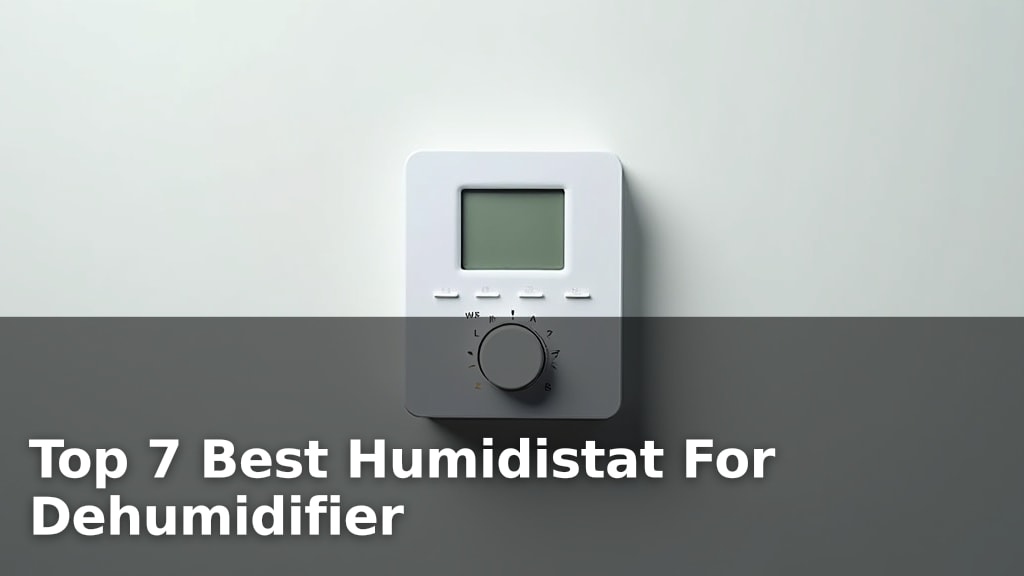
Look for features like an auto-shutoff, a built-in humidistat, and easy-to-clean filters. These make operation simpler and more efficient.
Maintaining Your Dehumidifier for Best Results
Like any appliance, a dehumidifier needs a little care. Empty the water reservoir regularly or connect it to a drain hose for continuous operation. Clean the air filter often, usually every two weeks, to ensure it works efficiently.
A well-maintained unit is a happy unit, and a happy unit works better for your air quality.
When to See a Doctor for Chest Congestion
While home remedies and environmental controls are helpful, don’t delay seeing a doctor if your congestion is severe, doesn’t improve, or worsens. Look out for symptoms like a high fever, shortness of breath, or chest pain.
Your health is important, and professional medical advice is always best for persistent issues.
Conclusion
So, does a dehumidifier help with chest congestion? Yes, indirectly and significantly. By creating a cleaner, less allergen-filled indoor environment, it helps your body cope better with respiratory irritants. It’s a proactive step in managing your home’s air quality, potentially reducing triggers for congestion.
Remember to keep indoor humidity within that sweet spot of 30-50% and pair your dehumidifier use with other sensible remedies. Listen to your body, and don’t hesitate to seek medical guidance when needed. You deserve to breathe easy!
Is a dehumidifier good for your lungs?
A dehumidifier is good for your lungs when indoor humidity is too high, typically above 50-60%. It helps by reducing mold and dust mites, common allergens that can irritate the respiratory system and worsen lung conditions.
Can a dehumidifier make a cough worse?
A dehumidifier itself is unlikely to make a cough worse if used correctly. However, if it makes the air too dry (below 30% humidity), it could potentially irritate your throat and nasal passages, which might contribute to a dry, scratchy cough for some individuals. Always aim for balanced humidity.
How long does it take for a dehumidifier to improve air quality?
You might notice an improvement in air quality, like less stuffiness or a fresher smell, within a few hours to a day of running a dehumidifier. For significant reductions in mold spores and dust mite populations, it could take several days to a few weeks, depending on the initial humidity and the unit’s power.
Should I use a dehumidifier if I have asthma?
Many people with asthma find a dehumidifier helpful, especially if their asthma is triggered by mold or dust mites. By keeping indoor humidity between 30% and 50%, you can reduce these common asthma triggers. However, always consult your doctor for personalized advice regarding asthma management.
Can a dehumidifier help with post-nasal drip?
Yes, a dehumidifier might indirectly help with post-nasal drip if the drip is caused or worsened by allergens like mold or dust mites. By reducing these irritants in the air, a dehumidifier can lessen the inflammation and mucus production that often contribute to post-nasal drip. It’s about tackling the source of the irritation.