
Does a Dehumidifier Help with Dust Mites?
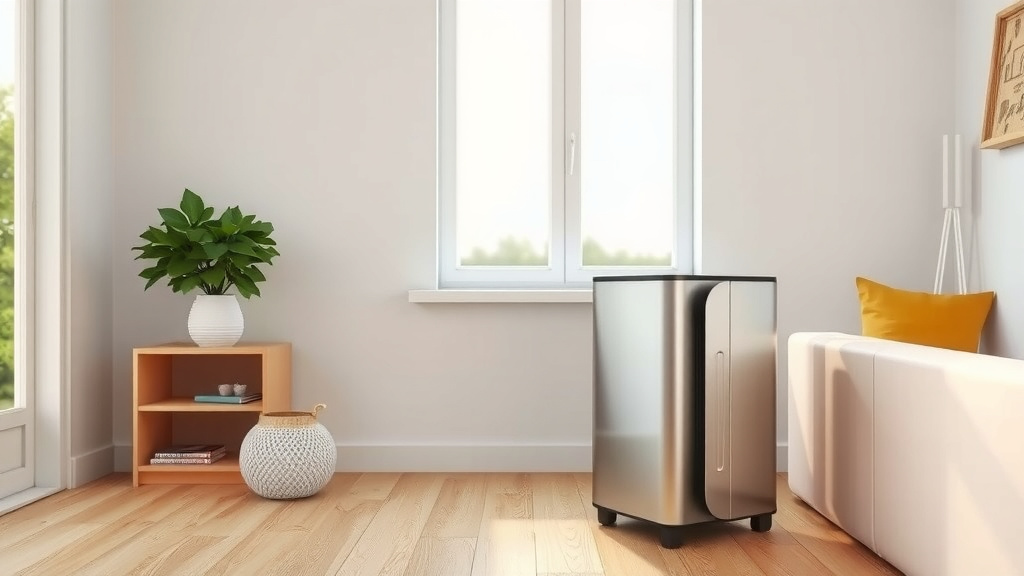
Dehumidifiers can significantly help control dust mites by reducing the humidity levels they need to thrive.
Lowering your home’s humidity makes it difficult for dust mites to reproduce and survive, making a dehumidifier an effective tool against these common allergens.
TL;DR: Here’s the quick rundown on dehumidifiers and dust mites:
- Dust mites absolutely hate low humidity environments.
- A dehumidifier actively dries out the air, making your home less inviting for them.
- Aim for humidity levels between 30% and 50% to keep dust mites at bay.
- It’s a powerful tool, but combining it with other cleaning methods works best.
- You’ll likely notice fewer allergy symptoms and a fresher home.
Does a Dehumidifier Help with Dust Mites?
Yes, a dehumidifier absolutely helps with dust mites. It tackles the core issue: high humidity, which these microscopic pests need to survive and reproduce.
By reducing the moisture in your air, you create an environment where dust mites simply cannot thrive or multiply effectively.
Why Humidity Matters to Dust Mites
Imagine a tiny creature that gets its water directly from the air. That’s a dust mite for you! They don’t drink water like us.
These tiny critters absorb moisture through their bodies. When the air is dry, they struggle to get enough water to live and breed.
Research consistently shows that dust mites flourish when indoor humidity is above 50% (Mayo Clinic).
Understanding Dust Mites: Tiny Troubles
Dust mites are practically invisible, but their impact can be huge. They are a common trigger for allergies and asthma in many homes.
These minuscule arachnids feed on dead skin cells that we naturally shed. They love warm, humid places like your bed, carpets, and upholstered furniture.
When you breathe in their droppings or body fragments, it can cause reactions like sneezing, itchy eyes, or a runny nose.
Your Ideal Humidity Zone for Health
What’s the sweet spot for humidity? Many experts, including the EPA, suggest keeping your indoor humidity levels between 30% and 50%.
This range is not only uncomfortable for dust mites but also generally healthier for humans. It can prevent mold growth and maintain the integrity of your home.
Anything above 50% becomes an open invitation for dust mites and other moisture-loving pests.
How a Dehumidifier Works Its Magic
A dehumidifier pulls moist air from your room, passes it over cooling coils, and condenses the water vapor into a collection tank.
It then releases drier air back into your space. Think of it as a humidity vacuum cleaner.
This process gradually brings down the overall humidity, making your home a much less hospitable place for dust mites.
Finding the Right Dehumidifier for You
Choosing a dehumidifier depends on your space. You’ll want one sized correctly for the area you need to treat.
Consider the room size (square footage) and how damp it typically gets. A unit that’s too small won’t be effective.
Units are rated by how many pints of moisture they can remove from the air in 24 hours.
Dehumidifier Capacity Guide
Here’s a simple table to help you choose:
| Room Size (Sq Ft) | Moisture Level | Recommended Capacity (Pints/Day) |
|---|---|---|
| 500 | Slightly Damp | 10-14 |
| 500 | Very Damp | 18-22 |
| 1000 | Moderately Damp | 22-26 |
| 1500 | Very Damp | 30-34 |
More Ways to Tackle Dust Mites (Beyond Dehumidifiers)
While a dehumidifier is a great step, it’s not the only tool. A multi-pronged approach will give you the best results.
Think of it like tackling a big project; one tool helps, but a full toolbox makes it easier and faster.
Washing Wisely: Hot Water is Your Friend
Dust mites cannot survive high temperatures. Washing bedding, pillowcases, and blankets in hot water (at least 130°F or 54°C) will kill them.
Do this weekly for the best effect. If you can’t use hot water, try a high-heat cycle in the dryer for about 20 minutes (Cleveland Clinic).
Cover Up: Allergy-Proof Bedding
Since your bed is a dust mite hotspot, consider using allergy-proof covers for your mattresses, pillows, and duvets.
These covers create a barrier, preventing mites from reaching you and trapping existing mites inside.
Cleanliness Counts: Vacuuming and Dusting
Regular cleaning can significantly reduce dust mite populations. Use a vacuum cleaner with a HEPA filter to trap allergens.
Damp dusting surfaces helps to collect dust instead of just scattering it into the air.
Quick Dust Mite Reduction Checklist
- Maintain indoor humidity below 50% (with your dehumidifier!).
- Wash bedding in hot water weekly.
- Use allergy-proof covers on beds.
- Vacuum carpets and upholstery with a HEPA filter vacuum.
- Damp dust hard surfaces regularly.
- Consider removing carpets or heavy drapes if allergies are severe.
Air Filters: An Extra Layer of Defense
Adding a high-efficiency particulate air (HEPA) filter to your HVAC system or using a standalone HEPA air purifier can help.
These filters capture airborne dust mite allergens, further improving your indoor air quality.
Common Mistakes to Avoid
Don’t just run your dehumidifier for a few hours and stop. Consistency is key.
Also, remember to clean your dehumidifier regularly. The collection bucket can become a breeding ground for mold if left unemptied and uncleaned.
Forgetting to empty the tank means your unit won’t work, and you’ll miss out on its benefits.
Signs You Might Have a Dust Mite Problem
How do you know if you’re dealing with dust mites? You might notice worse allergy symptoms, especially in the morning.
Symptoms like a runny nose, sneezing, itchy eyes, or skin rashes that are worse at night or in the bedroom can be telltale signs.
When to Call in the Pros
If your allergy symptoms persist despite your best efforts, it might be time to consult an allergist.
They can provide a diagnosis and suggest additional strategies or treatments to help manage your allergies.
Conclusion
Yes, a dehumidifier is a powerful ally in the fight against dust mites. By simply maintaining lower humidity levels in your home, you directly impact their ability to thrive.
When combined with regular cleaning, proper bedding, and smart laundry habits, you can significantly reduce dust mite populations and enjoy a much healthier, more comfortable living space. Taking these steps can make a real difference for your indoor air quality and overall well-being.
How quickly does a dehumidifier affect dust mite populations?
You can start to see a reduction in dust mite populations fairly quickly, often within a few weeks of consistently running a dehumidifier. Dust mites will struggle to reproduce and eventually die off when humidity is kept below 50% for an extended period.
Should I run my dehumidifier all the time to combat dust mites?
You don’t necessarily need to run it 24/7, but you should run it consistently enough to maintain your desired humidity level (between 30% and 50%). Many modern dehumidifiers have a humidistat that lets you set a target humidity, and they’ll cycle on and off as needed.
Does a dehumidifier remove dust mite allergens from the air?
A dehumidifier primarily removes moisture, which indirectly helps reduce the presence of dust mites. It doesn’t directly filter out existing dust mite allergens from the air. For allergen removal, you would also need an air purifier with a HEPA filter.
Can I use a dehumidifier instead of washing my bedding for dust mites?
No, a dehumidifier is a helpful tool but not a replacement for washing your bedding. Washing bedding in hot water kills existing mites and removes their allergens directly. The dehumidifier prevents new mites from thriving, working together with cleaning for the best results.
Are there any downsides to using a dehumidifier for dust mites?
The main considerations are the initial cost of the unit, the electricity it uses, and the need to regularly empty its water tank (unless you have a drain hose option). Some people also find them a bit noisy. However, the benefits for allergy relief often outweigh these minor inconveniences.
