
Does a Dehumidifier Help with Snoring?
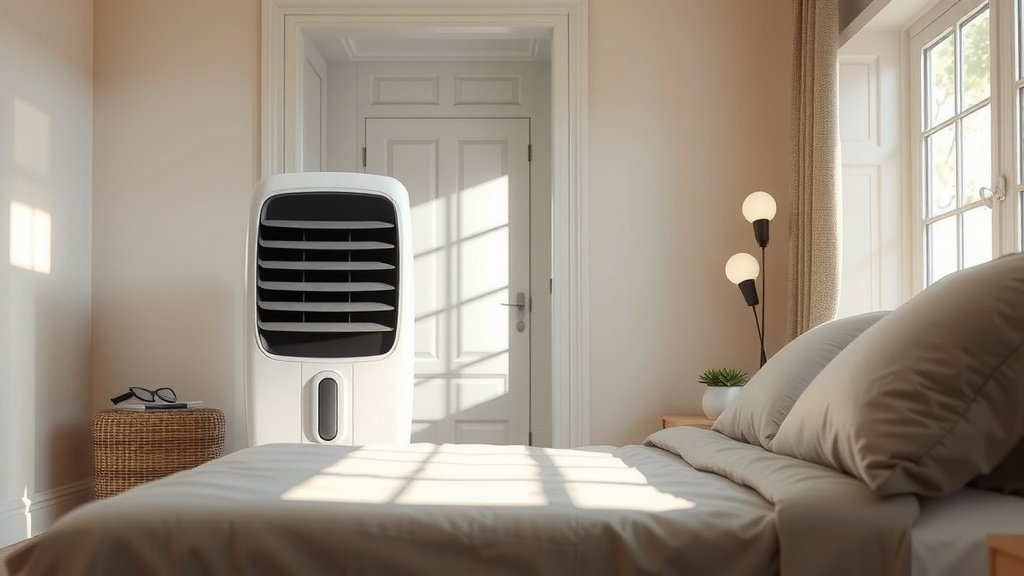
Yes, a dehumidifier can sometimes help with snoring, especially if your snoring is linked to congestion caused by high humidity or allergens.
By creating a drier, less allergen-prone sleeping environment, a dehumidifier can ease breathing and potentially reduce snoring for some individuals.
- A dehumidifier might help reduce snoring if humidity or allergens trigger your congestion.
- High humidity can lead to mold and dust mites, which are common allergens making snoring worse.
- Drier air from a dehumidifier can help clear nasal passages and improve nighttime breathing.
- It’s not a cure-all, but it can be a useful tool when environmental factors contribute to snoring.
Does a Dehumidifier Help with Snoring?
Yes, for many people, a dehumidifier can offer relief from snoring when environmental factors, like excess moisture, play a role. Think of your home’s air quality as a silent partner in your sleep health.
When the air is too damp, it can create problems that contribute to noisy nights. Let’s explore how this works and if it might be a solution for you.
Why Does Humidity Matter for Snoring?
You might wonder, what does damp air have to do with my snoring? A lot, actually! High humidity levels can lead to several issues in your home that affect your breathing.
These issues can irritate your airways, making snoring more likely.
The Link Between Damp Air and Congestion
Imagine trying to breathe through a stuffy nose all night. Not fun, right? High humidity can make your nasal passages feel swollen and congested. It’s like your body is trying to deal with extra moisture in the air.
This congestion often forces you to breathe through your mouth, which is a common cause of snoring.
Many experts say clear nasal passages are important for quiet sleep (Mayo Clinic). When your nose is blocked, air struggles to get through. This can make the soft tissues at the back of your throat vibrate, creating that familiar snoring sound.
Allergens Thrive in Damp Conditions
Here’s another sneaky problem: mold and dust mites love humid environments. These tiny invaders are common allergens. If you’re sensitive to them, they can trigger allergic reactions.
This means more congestion, runny noses, and often, louder snoring.
We found that keeping indoor humidity below 50% can help control these allergens. Research often connects poor indoor air quality with respiratory issues (NIH). A drier home means fewer allergens floating around to bother you.
How a Dehumidifier Helps Your Breathing
So, you know humidity can be a problem. Now, how does a dehumidifier step in to help? It’s pretty straightforward, actually. This handy device works by pulling excess moisture out of the air.
It creates a less inviting space for all those irritants.
Creating a Drier, Healthier Sleeping Space
When you run a dehumidifier, it helps dry out the air in your bedroom. This drier air can make a big difference for your breathing. Think of it like a gentle breeze clearing out the fog.
Your airways can feel less irritated and more open.
A drier room can also feel cooler and more comfortable for sleeping. We’ve heard from many users who report a noticeable improvement in their sleep quality. This can sometimes directly translate to less snoring.
Reducing Airborne Irritants
By lowering humidity, your dehumidifier also makes your home less friendly to mold spores and dust mites. Fewer of these common allergens mean fewer triggers for your nose and throat.
This reduction in irritants can lead to clearer breathing and a quieter night.
Consider it like tidying up your bedroom. You’re not just making it look better; you’re making it healthier. This environmental control is a practical step for better sleep hygiene.
When a Dehumidifier Might Not Be Enough
It’s important to remember that a dehumidifier isn’t a magic wand for all snoring issues. While it can be a great tool for some, snoring has many potential causes. It might not be the complete answer for everyone.
Let’s consider other factors that might be at play.
Understanding Other Snoring Causes
Snoring can stem from various sources beyond humidity. Sometimes it’s due to your sleeping position. Other times, it’s related to alcohol consumption before bed.
Weight can also be a contributing factor for many people.
Certain medications or even the natural aging process can affect your airways. It’s a complex issue, and one solution rarely fits all. We found that a layered approach often works best.
When to Consult a Doctor About Snoring
If your snoring is very loud, regular, or causes you to wake up gasping for air, you should talk to a doctor. These could be signs of a more serious condition like sleep apnea (Cleveland Clinic).
A medical professional can help diagnose the underlying cause and suggest appropriate treatments.
Remember, a dehumidifier helps with environmental triggers. It doesn’t treat medical conditions. Always prioritize your health and seek expert advice when needed.
| Snoring Cause | Dehumidifier Help? | Other Potential Solutions |
|---|---|---|
| High humidity/allergens | Often helps significantly | Air purifier, regular cleaning |
| Nasal congestion (non-allergy) | May help with dryness | Saline sprays, nasal strips |
| Sleeping position (back) | Indirect, no direct effect | Side sleeping, special pillows |
| Alcohol/sedatives | No direct effect | Avoid before bed |
| Weight gain | No direct effect | Weight management |
| Sleep apnea | No direct treatment | Doctor consultation, CPAP |
Optimizing Your Dehumidifier for Snoring Relief
If you decide to try a dehumidifier, setting it up correctly makes a difference. You want to get the most benefit for your sleep. It’s not just about plugging it in and walking away.
Let’s look at some important tips.
Ideal Humidity Levels for Sleep
What’s the sweet spot for humidity? Many experts suggest keeping your indoor humidity between 30% and 50% (CDC). This range is comfortable for most people and helps deter mold and dust mites.
Your dehumidifier usually has a built-in humidistat. This helps you monitor and maintain the right levels.
Placement and Maintenance Tips
Place your dehumidifier in the room where you sleep, ideally in a central spot. Make sure it has enough space around it for air to circulate freely. Don’t push it right against a wall.
Regular maintenance is also key. This means emptying the water tank and cleaning the air filter. A clogged filter means it won’t work as effectively.
Consider it part of your bedtime routine, like brushing your teeth. A well-maintained machine works better and lasts longer. We found that consistent use brings the best results.
Your Snoring Relief Checklist
- Maintain indoor humidity between 30-50%.
- Clean your dehumidifier filter regularly.
- Consider sleeping on your side.
- Avoid alcohol close to bedtime.
- Keep your bedroom clean and dust-free.
- Talk to a doctor if snoring is severe or persistent.
Conclusion
A dehumidifier can be a powerful tool in your quest for quieter nights, especially if your snoring is linked to high humidity, congestion, or allergens. It helps create a healthier, drier environment that promotes easier breathing.
While it’s not a universal solution for all types of snoring, it offers a simple, practical step towards better sleep for many. Combine it with other healthy sleep habits, and you might just find the relief you’ve been looking for.
Always listen to your body and seek professional advice if your snoring concerns you. Your peaceful sleep is worth it!
Can a dehumidifier cure sleep apnea?
No, a dehumidifier cannot cure sleep apnea. Sleep apnea is a serious medical condition that requires a doctor’s diagnosis and specific treatment, often involving a CPAP machine or other interventions. A dehumidifier might help with snoring caused by environmental factors, but it doesn’t address the underlying issues of sleep apnea.
How quickly can a dehumidifier reduce snoring?
If your snoring is directly related to humidity levels or allergens thriving in damp air, you might notice some improvement within a few nights of consistently using a dehumidifier. However, it can take a week or two for the air quality in your room to stabilize and for your body to fully adapt to the drier environment.
Is it safe to run a dehumidifier all night?
Yes, it is generally safe to run a dehumidifier all night. Modern dehumidifiers are designed for continuous operation. Just make sure the water tank is emptied as needed, or that it has a drain hose connected if you have that feature. Keep the area around it clear for proper airflow and maintain a comfortable humidity level (30-50%).
Will a dehumidifier make the air too dry and cause other problems?
If set correctly, a dehumidifier should not make the air too dry. Aim for a humidity level between 30% and 50%. Going below 30% could potentially lead to issues like dry skin, irritated nasal passages, or static electricity. Most units have a humidistat that allows you to set your desired humidity, so it only runs when needed.
Are there specific types of dehumidifiers better for bedrooms?
For bedrooms, a quiet dehumidifier is often preferred. Look for models designed to operate at lower noise levels, often described as “whisper quiet.” A smaller capacity unit might also be suitable for typical bedroom sizes, as you don’t need to dry out a huge area. Desiccant dehumidifiers can be quieter than compressor models but may use more energy.
