
Does a Dehumidifier Help with Sore Throat?
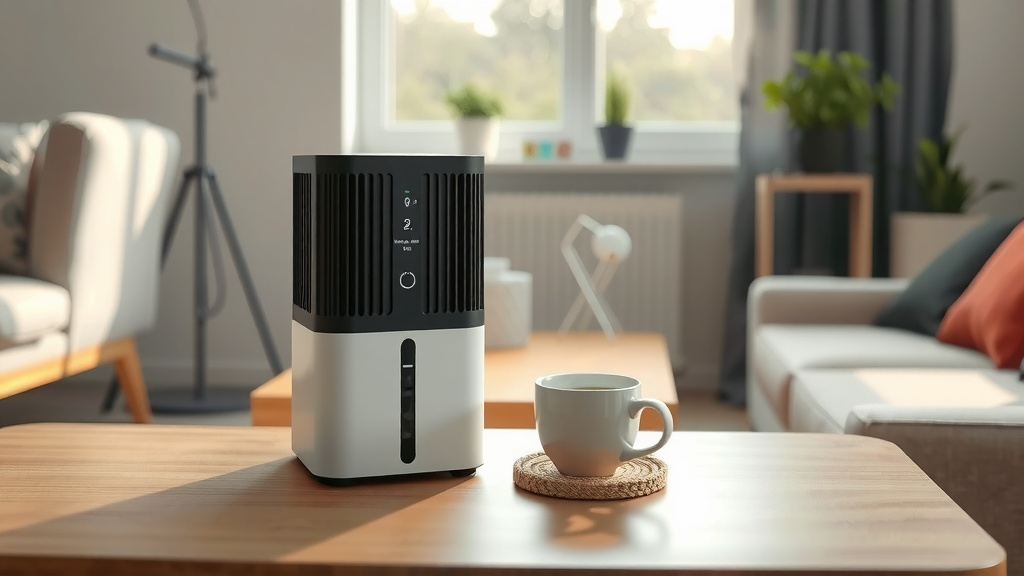
A dehumidifier generally does not directly help with a sore throat, especially if the air in your home is already on the drier side.
In fact, using a dehumidifier when humidity is low can exacerbate a sore throat by further drying out your throat’s delicate tissues.
Here’s a quick rundown of what you need to know about dehumidifiers and sore throats:
- A dehumidifier typically makes a sore throat worse if your air is already dry.
- Sore throats often feel better with added moisture, not removed moisture.
- However, if high humidity causes mold or dust mites, a dehumidifier could indirectly help by reducing these irritants.
- Knowing the cause of your sore throat is key to finding relief.
Does a Dehumidifier Help with Sore Throat?
No, a dehumidifier generally does not directly help with a sore throat. Its main job is to remove moisture from the air, which is usually the opposite of what a sore throat needs.
Understanding Your Sore Throat: What Causes It?
A sore throat can feel like a nuisance, or worse. It’s often your body’s way of telling you something is off. Many things can cause this common complaint. Think about your environment and how you are feeling.
Common Sore Throat Triggers You Should Know
Most sore throats come from viruses, like the common cold or flu (CDC). Sometimes, bacteria are the culprits. Allergies to pollen, dust, or pet dander can also cause irritation. Even acid reflux can give you that scratchy feeling. These are all things to consider.
The Role of Air Quality in Sore Throat Relief
Indoor air quality significantly impacts your throat’s comfort. The air you breathe for hours each day directly affects your respiratory system. It makes sense to pay attention to your environment.
When Dry Air is the Enemy of Your Throat
Imagine a desert wind blowing through your throat. That’s what dry air can feel like. When the air lacks humidity, it can strip moisture from your mucous membranes. This leaves your throat feeling scratchy, irritated, and dry. Many experts agree that dry indoor air often worsens sore throats (Mayo Clinic).
Dehumidifiers and Their Impact on Indoor Humidity
A dehumidifier works like a magnet for moisture. It pulls excess water vapor from the air, making your home feel less sticky. This is great for preventing mold or musty smells. But how does this affect your throat?
How Dehumidifiers Change Your Air
These devices effectively reduce the amount of water in your indoor air. This can make a hot, muggy room feel more comfortable. It also helps protect your belongings from moisture damage. You are essentially drying out your environment.
When a Dehumidifier Might Seem Like a Good Idea (But Isn’t)
You might think, “My throat is irritated, maybe the air is too wet?” It’s a natural thought. However, most sore throats benefit from more moisture, not less. Trying to dry out your air could backfire.
The Risk of Over-Drying Your Home’s Air
Using a dehumidifier when your indoor air is already dry can be counterproductive. We found that excessively dry air can irritate your nasal passages and throat even more. Aim for a comfortable balance, not extreme dryness.
Optimal Indoor Humidity Levels for Health
What’s the sweet spot for humidity? Experts often suggest keeping your indoor humidity between 30% and 50% (EPA). This range helps keep you comfortable and discourages irritant growth. Too low, and you might get dry skin and a scratchy throat. Too high, and mold can thrive.
Finding the Right Balance for Your Comfort
A hygrometer, a small device that measures humidity, can be your best friend. It helps you monitor your home’s levels. This way, you can make informed decisions about using a dehumidifier or humidifier. It’s all about creating the perfect indoor climate.
When a Dehumidifier Could Indirectly Help a Sore Throat
Okay, so it doesn’t directly help. But what if your sore throat is linked to something else in your humid environment? Here’s where a dehumidifier might play a small, indirect role.
Tackling Mold and Dust Mites in Humid Environments
If your home is consistently damp, you might have mold or dust mites. These common allergens and irritants can certainly cause or worsen a sore throat. Reducing humidity to below 50% can inhibit their growth. We found that managing these irritants can sometimes offer indirect relief from allergy-related throat issues.
Dehumidifier vs. Humidifier: Which One Do You Need?
This is where many people get confused. They both affect air moisture, but in opposite ways. Knowing the difference is key to feeling better. One adds moisture; the other removes it.
Let’s look at a quick comparison:
| Feature | Dehumidifier | Humidifier |
|---|---|---|
| Primary Action | Removes moisture from air | Adds moisture to air |
| Best For | High humidity, mold prevention | Dry air, dry skin, congestion |
| Sore Throat Impact | Usually worsens (if air is dry) | Often helps (soothes irritation) |
| When to Use | Above 50-60% humidity | Below 30-40% humidity |
Why a Humidifier is Often a Better Choice for Throat Comfort
If your sore throat is due to dry air, a humidifier is usually your go-to device. It adds much-needed moisture back into the air. This helps keep your throat and nasal passages moist and comfortable. It’s like giving your throat a nice, hydrating drink.
Practical Steps to Soothe Your Sore Throat
Forget the dehumidifier for now. What *can* you do right now to feel better? There are many simple, effective home remedies. You don’t need fancy gadgets to start. Many experts say these steps are a good starting point.
Your Checklist for Quick Sore Throat Relief
- Drink plenty of fluids: Water, herbal teas, and broth keep your throat moist.
- Gargle with salt water: This classic remedy can reduce swelling and kill germs.
- Use a humidifier: If your air is dry, this adds soothing moisture.
- Rest your voice: Give your vocal cords a break; talking can make it worse.
- Suck on lozenges or hard candy: These stimulate saliva production, coating your throat.
- Avoid irritants: Stay away from smoke, strong chemicals, and very cold drinks.
Conclusion
While a dehumidifier is a valuable tool for managing excess humidity and preventing mold, it’s generally not the answer for a sore throat. In most cases, a sore throat benefits from more moisture, not less. Always consider the root cause of your discomfort. If you suspect your sore throat is related to very dry air, reach for a humidifier instead. For persistent or severe sore throats, remember to consult a healthcare professional. Your comfort and health are what truly matter.
What are the main causes of a sore throat?
The most common causes of a sore throat include viral infections like colds or the flu, bacterial infections such as strep throat, allergies, dry air, and irritants like smoke or pollution. Acid reflux can also lead to throat irritation.
Can dry air make a sore throat worse?
Yes, absolutely. Dry air can strip moisture from your throat’s mucous membranes, leading to irritation, scratchiness, and making an existing sore throat feel much worse. It’s like leaving a sponge out to dry.
When should I consider using a humidifier for a sore throat?
You should consider using a humidifier if your home’s air feels dry, especially during winter months or if you use heating or air conditioning frequently. If your sore throat is accompanied by dry coughs, dry skin, or nosebleeds, a humidifier could provide relief.
What is the ideal indoor humidity level for health?
Most experts recommend maintaining indoor humidity levels between 30% and 50%. This range is comfortable for most people and helps prevent the growth of mold and dust mites, while also avoiding overly dry conditions.
Besides air quality, what other remedies can help a sore throat?
Beyond managing air quality, drinking plenty of warm fluids like tea and broth, gargling with salt water, resting your voice, and sucking on throat lozenges or hard candy can offer significant relief. Always ensure you stay well-hydrated.
