
Does a Dehumidifier Keep Your House Warmer?
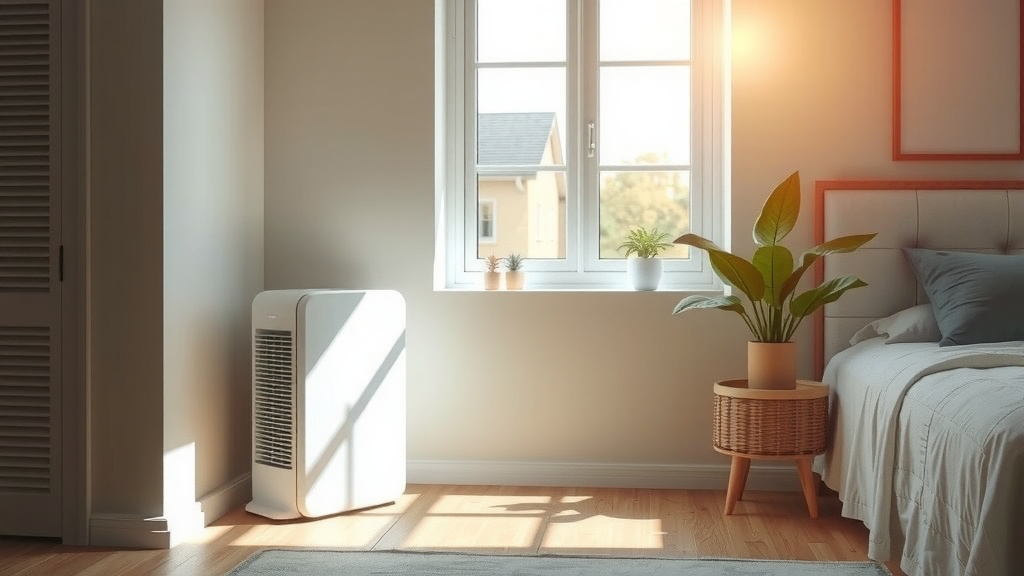
A dehumidifier does not directly produce heat like a furnace, so it won’t actively warm your house. Instead, it removes excess moisture from the air, making your environment feel significantly more comfortable and often perceived as warmer.
By drying out the air, a dehumidifier helps your body regulate its temperature more effectively, leading to a sensation of warmth even without a rise in the actual thermostat setting. It tackles the muggy, damp feeling that makes you shiver.
- The dehumidifier removes sticky moisture, not adds heat.
- Drier air feels warmer because sweat evaporates more easily.
- You might feel cozy enough to lower your thermostat.
- It’s about feeling comfortable, not raising the room temperature.
- Improved comfort can save energy in the long run.
Does a Dehumidifier Keep Your House Warmer?
No, a dehumidifier doesn’t actively generate heat to warm your home. What it does is remove humidity, which can make your living space feel much more pleasant and cozy.
Think of it as creating a better environment for your body to feel naturally warm, rather than adding degrees to the thermometer.
How Humidity Affects Your Comfort
Have you ever noticed how a muggy summer day feels much hotter than a dry day at the same temperature? Or how a damp basement can feel really chilly?
That’s high humidity playing tricks on your comfort. When the air is full of moisture, your sweat can’t evaporate as easily, making you feel sticky and clammy. This often leaves you feeling colder than the actual air temperature (NIH).
The Dehumidifier’s Role: Removing Moisture
A dehumidifier works like a small air conditioner. It pulls in humid air, cools it down to condense the moisture into water, and then releases the now-dryer air back into your room.
During this process, it uses a fan and compressor. This mechanical action does generate a very small amount of waste heat, a byproduct of its operation.
A Warmer Feel, Not Added Heat
The magic isn’t in adding heat, but in taking away the dampness. When the air is drier, your body can cool itself efficiently through sweat evaporation.
This improved ability to regulate your body temperature makes the air feel less oppressive and surprisingly warmer to you. It’s like stepping out of a steamy shower into a dry room; you instantly feel more comfortable.
Small Heat Output from Operation
Yes, technically, the motors and compressors inside a dehumidifier produce some heat as they work. We found that this is a tiny amount, similar to a small appliance.
For most rooms, this minimal heat output is usually negligible and won’t noticeably warm your entire house. The primary effect is always moisture removal.
Energy Efficiency and Dehumidifiers
By making your home feel warmer through dryness, a dehumidifier can indirectly help with energy bills. You might find yourself turning down your thermostat a few degrees in colder months.
This slight adjustment can reduce your heating costs, balancing out the electricity used by the dehumidifier itself. It’s all about creating optimal comfort with less energy.
| Comfort Factor | High Humidity (e.g., 70% RH) | Optimal Humidity (e.g., 45% RH) |
|---|---|---|
| Perceived Temperature | Feels colder, clammy, damp | Feels warmer, fresh, dry |
| Body Regulation | Sweat doesn’t evaporate, you feel sticky | Sweat evaporates easily, you feel comfortable |
| Air Quality | Musty odor, potential for mold growth | Cleaner smell, reduced allergens |
| Overall Feeling | Unpleasant, heavy, chills easily | Light, pleasant, cozy |
Finding the Ideal Humidity Level for Your Home
Many experts, including the CDC, suggest keeping indoor humidity between 30% and 50% for optimal comfort and health. This range helps deter mold growth and dust mites.
Maintaining this balance stops your home from feeling overly damp or too dry. It’s a sweet spot for both comfort and indoor air quality.
How to Monitor Your Home’s Humidity
A simple hygrometer, an inexpensive device, can tell you your home’s current humidity level. Place it in key areas like the basement or a damp bedroom.
This tool helps you know exactly when your dehumidifier is truly needed. It takes the guesswork out of maintaining ideal moisture levels.
Practical Tips for Dehumidifier Use
To get the most out of your dehumidifier, place it in the dampest areas first, like basements or crawl spaces. Make sure doors and windows are closed for best results.
Regularly empty the water collection bucket, or connect a hose for continuous drainage. Keeping filters clean also helps it run more efficiently.
- Set your target humidity between 40-50%.
- Close windows and doors when it’s running.
- Clean the air filter regularly.
- Empty the water bucket or use a drain hose.
- Place it in the dampest room.
When to Use Your Dehumidifier
You’ll likely use your dehumidifier more during humid seasons or in naturally damp areas of your home. Think basements, laundry rooms, or during rainy periods.
It’s also helpful if you notice condensation on windows or a musty smell. Listen to your home; it often tells you what it needs.
Potential Downsides to Consider
While dehumidifiers offer many benefits, they do use electricity, so there’s an operating cost. They also produce some noise, which can be a factor in quiet spaces.
Be careful not to over-dry your air, as too little humidity can also cause discomfort, like dry skin or static electricity. Aim for that balanced range.
Balancing Comfort and Energy Bills
Finding the right balance between comfort and cost means smart use. You might only need to run your dehumidifier when humidity levels climb above 50%.
Many models have humidistats that turn off automatically when the desired level is met. This feature can help save energy and maintain consistent comfort.
Conclusion
A dehumidifier won’t directly warm your house like a heater, but it profoundly changes how you experience your indoor environment. By removing excess moisture, it creates a much drier, more comfortable atmosphere that feels distinctly warmer and less clammy.
This improved comfort can even allow you to lower your thermostat, leading to potential energy savings. Ultimately, a dehumidifier is a powerful tool for controlling your home’s humidity, making your living space healthier and far more pleasant to be in.
How does a dehumidifier affect indoor air quality?
By removing excess moisture, a dehumidifier significantly reduces the conditions where mold, mildew, and dust mites thrive. This can lower the concentration of these common allergens and irritants in your air, making your home a healthier place, especially for those with allergies or asthma.
Can a dehumidifier replace a heater in a cold room?
No, a dehumidifier cannot replace a heater. While it can make a damp, cold room feel more comfortable and slightly warmer by removing moisture, it does not produce enough heat to actually raise the room’s temperature to a comfortable level. Its primary function is humidity control, not heating.
Is it more energy-efficient to use a dehumidifier or air conditioning for comfort?
If your main issue is high humidity making you feel uncomfortable, a dehumidifier can often be more energy-efficient than running an air conditioner. Air conditioners cool and dehumidify, but if cooling isn’t needed, a dehumidifier targets just the moisture, using less energy overall. Many experts suggest using them together for optimal summer comfort.
Does running a dehumidifier help prevent frozen pipes in winter?
While a dehumidifier reduces moisture, it does not significantly raise the air temperature to prevent pipes from freezing. Its impact on temperature is minimal. To protect pipes in cold weather, you need actual heating or insulation, not just a drier environment.
What are the signs that my house has too much humidity?
Look for condensation on windows, a persistent musty odor, visible mold spots (especially in bathrooms, basements, or laundry rooms), peeling paint or wallpaper, and wood swelling. You might also notice a clammy, sticky feeling on your skin, even when the air conditioning is running. These are all clues that your humidity levels are too high.
