Does a Dehumidifier Need to Vent Outside?
No, a standard portable or whole-house dehumidifier does not need to vent outside. Its job is to remove moisture from the air inside your home, not to exhaust air externally.
These appliances collect water vapor internally, condensing it into a reservoir or draining it away, keeping the moisture within your living space.
Here’s a quick overview of what you need to know about dehumidifiers and venting:
- Most dehumidifiers operate as closed systems, collecting water.
- They do not require external venting like an exhaust fan.
- The primary goal is to reduce indoor humidity levels effectively.
- Proper placement inside your home is key to their function.
- Ventilating can actually bring more humid air indoors.
Does a Dehumidifier Need to Vent Outside?
When you first consider adding a dehumidifier to your home, a common question pops up: do these devices need to vent outside? The straightforward answer is no, they typically do not.
Most dehumidifiers are designed to function as a closed system within your indoor environment. They work by drawing in humid air, cooling it to condense the moisture, and then releasing drier air back into the room.
Understanding How Dehumidifiers Work
Think of your dehumidifier like a miniature cloud-making machine, but in reverse. It pulls in warm, moist air, much like a sponge soaking up water. Inside, this air passes over cold coils.
As the air cools, the moisture in it condenses into liquid water. This water then drips into a collection bucket or gets pumped out through a drain hose. The now drier, slightly warmer air is then released back into your space. It’s all about reducing airborne water, not moving air out.
Portable Dehumidifiers and Venting
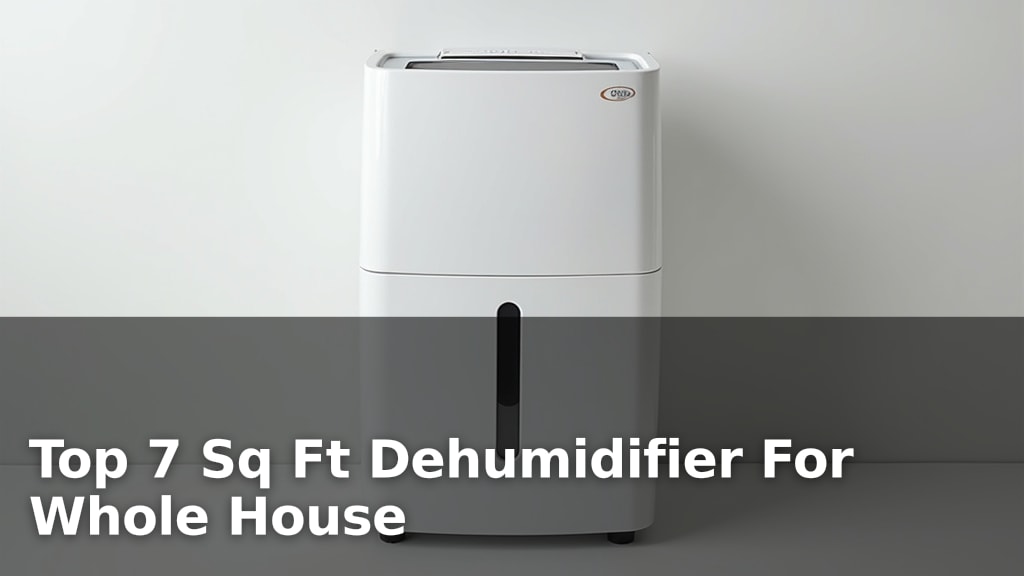
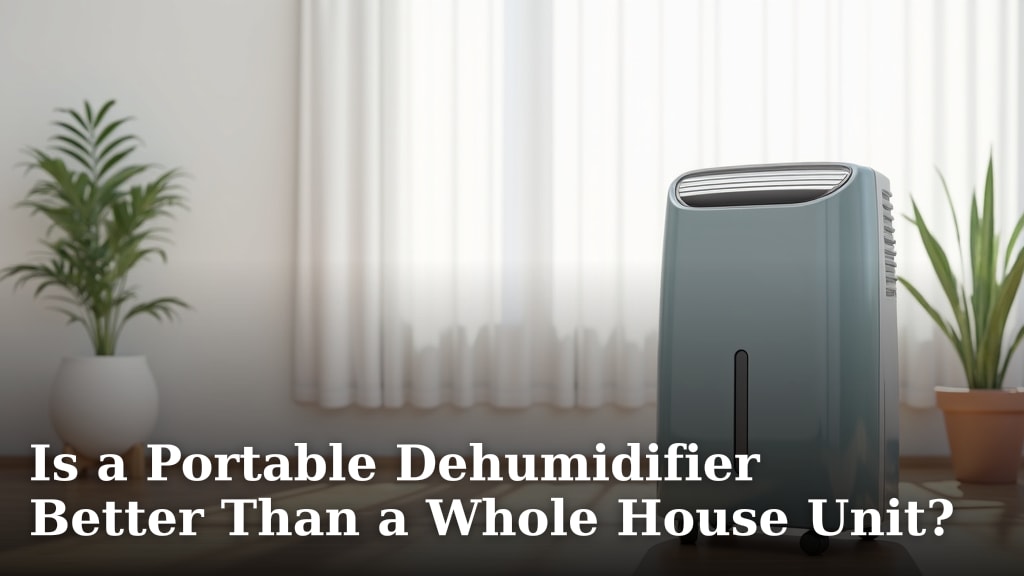
For most people, a portable dehumidifier is the go-to solution for damp basements or humid rooms. These units are compact and self-contained. You simply plug them in, and they start working.
They have no ducts or exhaust ports that connect to the outside. Imagine trying to air condition your house by opening a window – it just wouldn’t work. The same logic applies here; you want to keep the conditioned air inside.
Whole-House Dehumidifiers and Airflow
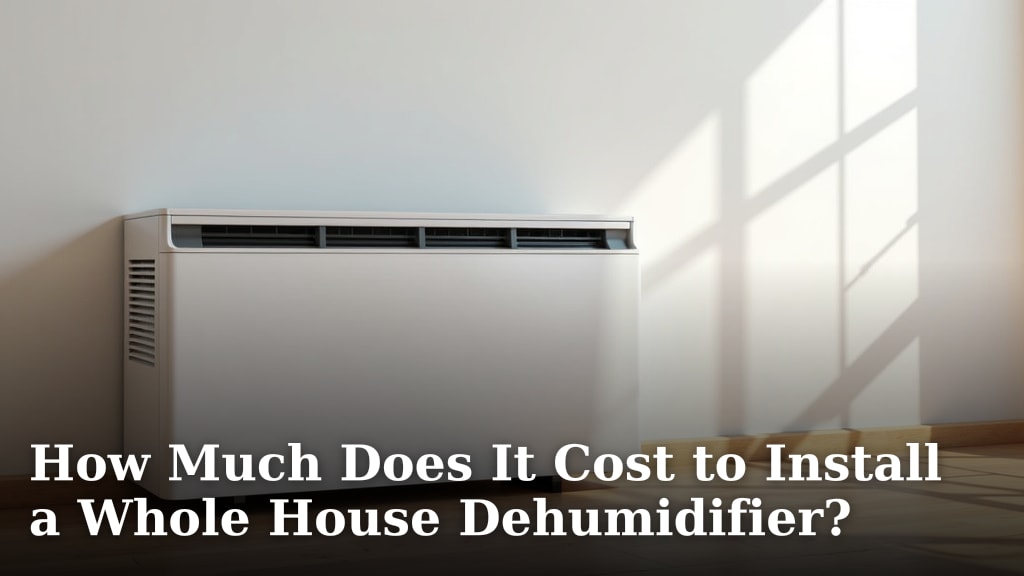
Whole-house dehumidifiers, often tied into your HVAC system, also don’t vent outside in the traditional sense. These systems usually integrate with your existing ductwork.
They draw air from the return ducts, remove moisture, and then send the drier air back into your home through the supply ducts. Their purpose is to condition the indoor air, not to replace it with outside air. We found that proper ductwork integration is key for these units to distribute dry air effectively.
Why External Venting is Not Necessary
Venting a dehumidifier outside would defeat its entire purpose. Using a unit outdoors is a separate question; see the guide to outdoor use. Your goal is to lower the humidity inside your home. If you vented a dehumidifier, you would constantly be pulling in more humid air from the outdoors.
This would make your unit work harder, consume more energy, and ultimately be less effective. Many experts say that keeping your home sealed is the first step in controlling indoor humidity (EPA).
The Difference Between Dehumidifiers and Exhaust Fans
It’s easy to confuse dehumidifiers with exhaust fans, but they do very different jobs. An exhaust fan, like those in your bathroom or kitchen, literally moves stale or moist air from inside your home to the outside.
Its function is to create airflow and expel air. A dehumidifier, however, cleans the air of excess moisture and keeps that now-drier air inside. It’s a fundamental difference in how they manage your home’s air.
Humidity Levels and Your Home’s Health
Maintaining the right indoor humidity level is incredibly important. Too much moisture can lead to a host of problems, including mold growth, musty odors, and dust mite infestations.
Research often connects high humidity with poor indoor air quality and potential respiratory issues (NIH). You want to aim for a relative humidity between 30% and 50% to keep your home healthy and comfortable.
Signs You Might Need a Dehumidifier
Are you wondering if a dehumidifier is right for you? Keep an eye out for these tell-tale signs:
- A persistent musty or damp smell, especially in basements.
- Visible mold or mildew spots on walls, ceilings, or fabrics.
- Condensation on windows, pipes, or other cold surfaces.
- Peeling paint or wallpaper, or warped wooden floors.
- A general feeling of clamminess or stickiness in the air.
- Frequent allergy flare-ups or breathing difficulties.
Placement Matters for Efficiency
Since your dehumidifier isn’t venting outside, where you place it inside your home makes a big difference. Put it in the dampest areas, like your basement, crawl space, or a humid bedroom.
Make sure it has enough clearance around it for air to circulate freely. Don’t push it against a wall or hide it in a corner. Think of it like a thirsty houseplant; it needs access to the “water” – the humid air – to do its job well.
Energy Consumption and Dehumidifiers
Running a dehumidifier requires electricity, just like any other appliance. Since it’s not fighting against outside air, it can work more efficiently.
If it were constantly drawing in new, humid outdoor air, it would have to work much harder and use more energy to achieve the same result. You want your unit to be as effective as possible without driving up your utility bills, and avoiding external venting helps with that.
Here’s a quick comparison of dehumidifier types and their typical setup:
| Dehumidifier Type | Venting Requirement | Moisture Removal Method |
|---|---|---|
| Portable Dehumidifier | None | Collection bucket or gravity drain |
| Whole-House Dehumidifier | None (integrates with HVAC ducts) | Condensate pump or dedicated drain |
| Desiccant Dehumidifier | None (some exhaust warm, dry air) | Moisture absorbed by desiccant material |
Maintaining Your Dehumidifier
To keep your dehumidifier working its best, a little maintenance goes a long way. Regularly empty the water collection bucket, or ensure your drain hose is clear.
Clean or replace the air filter as recommended by the manufacturer. A clean filter helps the unit operate more efficiently and ensures it’s removing moisture effectively. This simple routine helps prolong its lifespan.
When Ventilation is Still Important
While dehumidifiers don’t vent outside, good overall home ventilation is still vital for other reasons. Things like cooking, showering, and even breathing can release pollutants and moisture into the air.
You might still use exhaust fans in bathrooms and kitchens. These work alongside your dehumidifier, each doing its part to create a healthy indoor environment. Think of them as different tools for different jobs in the same toolbox.
Here’s a simple checklist for optimal dehumidifier use:
- Close windows and doors in the area you’re dehumidifying.
- Ensure the unit has space around it for good airflow.
- Empty the water bucket regularly or set up continuous draining.
- Clean the air filter at least once a month.
- Monitor humidity levels with a hygrometer.
- Set the target humidity between 30% and 50%.
Conclusion
So, to bring it all back home, your dehumidifier is designed to be an indoor workhorse. It quietly goes about its business of pulling excess moisture from your air, keeping your home comfortable and healthy, all without needing any external vents.
You can breathe easy knowing that these appliances are built for simplicity and efficiency within your living space. Just set it up, let it run, and enjoy the drier air. It truly is that simple.
What is the ideal humidity level for a home?
Most experts recommend maintaining indoor relative humidity levels between 30% and 50%. This range helps prevent mold growth, dust mites, and other moisture-related problems while keeping your home comfortable (Mayo Clinic).
Can I use a dehumidifier and an air conditioner at the same time?
Yes, absolutely! An air conditioner primarily cools the air, and while it does remove some humidity as a byproduct, a dedicated dehumidifier is far more effective at tackling excess moisture. Using them together can create a more comfortable environment, especially in very humid climates.
How do I know if my dehumidifier is working correctly?
You can tell if your dehumidifier is working by observing its water collection bucket filling up, feeling the drier air it releases, or using a hygrometer (a device that measures humidity) to see a reduction in the room’s humidity levels.
Do dehumidifiers add heat to a room?
Yes, dehumidifiers do add a small amount of heat to a room. This is because the process of removing moisture generates some warmth. It’s usually a slight increase, often barely noticeable, and the benefit of lower humidity typically outweighs this minimal warming effect.
Is it better to run a dehumidifier continuously or only when needed?
For persistent humidity issues, running your dehumidifier continuously or on an automatic setting (which turns it on and off to maintain a target humidity level) is usually most effective. This ensures consistent moisture control and prevents humidity from building back up.