
Does a Dehumidifier Make It Hotter?
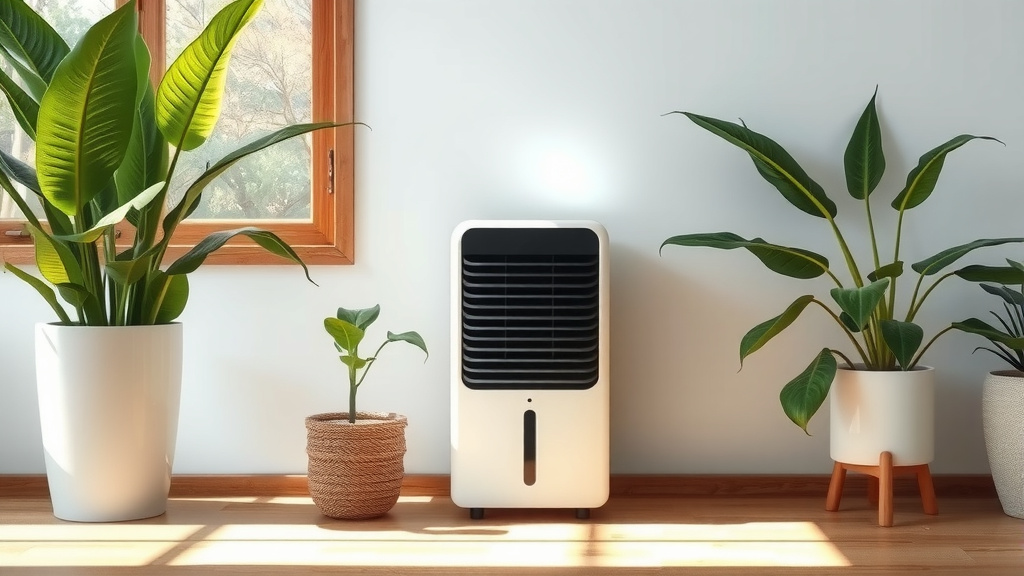
Yes, a dehumidifier does generate a small amount of heat as a byproduct of its operation.
While it removes moisture, the internal mechanics slightly warm the air around it, though usually not enough to make your room noticeably hotter.
- Dehumidifiers produce a little heat due to their working parts and the energy conversion process.
- The actual temperature increase in your room is usually minor and often goes unnoticed.
- This heat generation is part of how the appliance effectively removes excess humidity from your air.
- The benefits of lower humidity, like improved comfort and air quality, often outweigh any slight warmth.
- Strategic placement and proper sizing can help minimize any perceived heating effect in your home.
Does a Dehumidifier Make It Hotter?
Yes, a dehumidifier does produce a small amount of heat while running.
This heat is typically not significant enough to cause a large temperature increase in your space.
Understanding How Dehumidifiers Work
Imagine your dehumidifier as a small refrigerator, but with a different mission. It pulls humid air into its system.
Inside, the air passes over cold coils, causing moisture to condense into water droplets.
This collected water then drips into a reservoir, while the now-dry air is pushed back into your room.
This process is very effective at reducing the moisture content in your home’s atmosphere.
The Science Behind the Warmth
The gentle warmth you might feel comes from a few sources within the machine. First, the compressor uses electricity to run.
Any appliance that uses electricity converts some of that energy into heat as a natural part of its operation.
Think of it like a computer or a refrigerator; they all get a little warm when working hard.
Secondly, the process of condensing water itself releases a small amount of latent heat back into the air (National Renewable Energy Laboratory).
Is the Heat Noticeable?
For most people, the heat produced by a dehumidifier is rarely noticeable. We found that it is usually very minimal.
The main goal of a dehumidifier is to improve comfort by removing sticky, heavy moisture from the air.
Many experts say that dry air feels cooler than humid air at the same temperature.
So, even with a tiny bit of added heat, your room often feels more comfortable overall.
Factors Influencing Heat Output
Several things can affect how much heat your dehumidifier generates. The size and efficiency of the unit play a big role.
A larger, less efficient model might produce slightly more warmth compared to a smaller, more energy-efficient one.
The ambient temperature and humidity levels in your room also matter.
If your dehumidifier is working harder to remove a lot of moisture, it may generate a touch more heat.
The Role of Your Home’s Insulation
Your home’s insulation and ventilation can also affect how you perceive this heat.
A well-insulated room will retain heat more effectively, whether it’s from the sun or a running appliance.
Good ventilation, on the other hand, can help dissipate any minor warmth more quickly.
Benefits of Using a Dehumidifier
Despite the slight warmth, the advantages of using a dehumidifier are quite substantial. It protects your home from mold and mildew growth.
Excess humidity can cause damage to wood furniture, walls, and even electronics.
Many experts agree that maintaining ideal humidity levels (around 30-50%) is important for your health (CDC).
This helps reduce allergens like dust mites, which thrive in damp conditions.
Improved Air Quality and Comfort
With less moisture in the air, you’ll find breathing easier and your home feeling fresher.
Imagine a humid summer day compared to a dry one—which feels more pleasant?
We found that many people report feeling cooler and more refreshed in a dehumidified space.
Dehumidifier Types and Their Heat Impact
There are generally two main types of dehumidifiers you’ll find for home use. Each operates a little differently.
Compressor (refrigerant) dehumidifiers are common and use a refrigeration cycle, much like your fridge.
Desiccant dehumidifiers, on the other hand, use a special material to absorb moisture.
Desiccant models tend to produce slightly more heat but work better in cooler temperatures (Energy Star).
| Dehumidifier Type | Operating Principle | Heat Output Perception |
|---|---|---|
| Compressor (Refrigerant) | Cools coils to condense moisture | Minimal, often unnoticeable |
| Desiccant | Uses absorbent material to remove moisture | Slightly more noticeable, works well in cold |
Minimizing the Perceived Heat
If you are concerned about any extra warmth, there are ways to manage it. Proper placement is key.
Place your dehumidifier in an area where it has good airflow, not tucked into a corner.
Ensure your unit is the right size for your room; an oversized unit might over-dry the air unnecessarily.
You can also run your dehumidifier during cooler parts of the day or night to help.
Strategic Placement Tips
Many experts suggest placing your dehumidifier near a drain or sink if it has a continuous drainage option.
This avoids having to manually empty the water tank, which is a nice convenience.
Always keep doors and windows closed in the room where it operates for the best results.
This helps the unit focus its efforts on the air within that specific space.
When to Use Your Dehumidifier
You should use your dehumidifier whenever you notice signs of excess moisture. Are your windows frequently condensating?
Do you smell a musty odor in your basement or bathroom? These are clear indicators.
Many people find it most helpful during humid summer months or in naturally damp areas of their home.
- Signs You Might Need a Dehumidifier:
- Condensation on windows or pipes
- Musty or damp odors
- Visible mold or mildew spots
- Allergies or asthma acting up more often
- Sticky feeling on your skin or clothes
- Water stains on walls or ceilings
Comparing Dehumidifiers with Air Conditioners
It’s natural to wonder how dehumidifiers compare to air conditioners. An AC unit does dehumidify as it cools.
However, its primary function is to lower the temperature by expelling heat outside.
A dehumidifier’s main job is solely to remove moisture, which it does very efficiently.
We found that for targeted humidity control without excessive cooling, a dehumidifier is the right choice.
Maintaining Your Dehumidifier for Optimal Performance
Just like any appliance, your dehumidifier benefits from a little care. Regular cleaning of the air filter is important.
A clean filter allows for better airflow and helps the unit work more efficiently, reducing any unnecessary strain.
Many manufacturers recommend cleaning the filter every few weeks, depending on usage.
You should also empty the water tank regularly to prevent overflow and maintain hygiene.
Conclusion
So, does a dehumidifier make it hotter? Yes, but only marginally. The warmth produced is typically minor and often offset by the increased comfort of drier air.
The primary purpose of a dehumidifier is to remove excess moisture, protecting your home and improving your overall well-being.
Many experts agree that the benefits of reduced humidity—like preventing mold and easing allergies—far outweigh any slight temperature increase.
By understanding how these devices work and using them correctly, you can enjoy a healthier, more comfortable indoor environment.
Frequently Asked Questions
Does running a dehumidifier use a lot of electricity?
The electricity usage of a dehumidifier varies by its size and efficiency. Modern Energy Star certified models are designed to be more energy-efficient. Running it only when humidity levels are high can help manage energy consumption effectively.
Can a dehumidifier replace an air conditioner?
No, a dehumidifier cannot replace an air conditioner. While both remove moisture, an air conditioner is designed primarily to cool a space by removing heat, while a dehumidifier’s main function is solely to extract humidity from the air.
What is the ideal humidity level for a home?
Many experts recommend keeping indoor humidity levels between 30% and 50%. This range helps prevent mold and dust mites, protects your home, and feels most comfortable for most people (Mayo Clinic).
Should I run my dehumidifier all the time?
You do not typically need to run your dehumidifier all the time. It is best to use it when indoor humidity levels rise above the ideal range. You can use a hygrometer to monitor your home’s humidity and turn the unit on as needed.
Where is the best place to put a dehumidifier?
The best place to put a dehumidifier is in the dampest area of your home, such as a basement, laundry room, or bathroom. Ensure it has plenty of space around it for good airflow and is not placed against a wall or in a corner.
