9 Best Dehumidifiers with Pumps and WiFi (November 2026)
The best dehumidifiers with pumps and WiFi include the hOmeLabs Dehumidifier for large rooms with tank backup, the hOmeLabs Dehumidifier (best overall for pumped drainage), and the avylo Dehumidifier for Basement with Pump for quiet pumped drainage.
On this page (5 sections)
The best dehumidifier with pump and WiFi for most large spaces is the hOmeLabs 50 Pint with Pump. It combines remote control, a built-in pump and coverage up to 7,500 sq ft, while DuraComfort offers a higher stated pump lift and avylo offers a quieter pump-focused design.
WiFi helps you check humidity or change settings without walking to the unit. A pump matters when the drain is higher than the dehumidifier or too far away for a short gravity hose.
Those two features solve different problems. WiFi saves trips to a basement, and a pump saves you from emptying a tank during steady drying.
Separate app control from drainage before you buy. Some models here have WiFi but no pump, and some have a pump but no WiFi identified.
If you mainly want app control, compare these picks with our Best Smart WiFi Dehumidifier guide. For a whole-house setup, our Best Smart Dehumidifier For Whole House guide covers larger coverage decisions.
Room size, moisture load and drain location should come before brand preference. A smaller smart model can suit a bedroom, while a large basement usually needs more capacity and a firmer drainage route.
Our score weighs specs, features and buyer feedback against the needs of this search. We treat missing features as missing, rather than assuming a model offers them.
The best pick matches your space and your drain, not simply the one with the largest headline number.
Our picks at a glance
-
1

-
2

-
3
 Best for quiet pumped drainage
avylo Dehumidifier for Basement with Pump
9.5/10 our score
See it on Amazon
- 4
 Check it
Waykar 150 Pint Commercial Dehumidifier with Pump
Best for very large spaces - 5
 Check it
Midea 22 Pint Dehumidifier for Basement
Best for smaller rooms with smart control - 6
 Check it
DuraComfort 129 Pints Max Dehumidifier with Pump
Best for app control and high pump lift - 7
 Check it
Gasbye Energy Star 2026 Dehumidifier with [𝗥𝗲𝗽𝗹𝗮𝗰𝗲𝗮𝗯𝗹𝗲
Best for pump maintenance access - 8
 Check it
Waykar 80 Pints 2025 Energy Star Dehumidifier
Best for large rooms with simple controls - 9
 Check it
Frigidaire 50 Pint Dehumidifier w/Wifi
Best for washable-filter upkeep
The best dehumidifiers with pumps and WiFi for different spaces
The best choice depends on the drain route, room size and need for remote control. Pump-equipped models lead this list when upward drainage is central, while non-pump WiFi units can work well beside a low floor drain.
Which dehumidifier with pump and WiFi is best overall?
The hOmeLabs 50 Pint with Pump is the best overall match because it covers the largest stated area here while offering WiFi and three drainage choices. DuraComfort is close behind when its 16.4 ft pump lift is more useful than extra coverage.
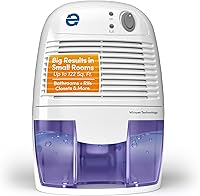
hOmeLabs Dehumidifier: Best for large rooms with tank backup
- WiFi control
- Up to 4,500 sq ft
- 32 pints per day at 80°F and 60% RH
- 1-gallon tank and drain hose outlet
WiFi control, a 1-gallon tank and continuous drainage make this a flexible choice for large residential rooms. It suits buyers who want remote monitoring but do not need a built-in pump.
Pros
- WiFi control
- Continuous drainage option
- Washable filter
Cons
- No built-in pump
- Smaller stated capacity than the pump-equipped hOmeLabs model
The smaller hOmeLabs model is a useful comparison point for buyers who want WiFi but do not need a built-in pump. It removes up to 32 pints per day at 80°F and 60% RH, with a maximum of 80 pints at 95°F and 90% RH.
Its stated coverage reaches 4,500 sq ft. The 1-gallon tank has auto shut-off, and the drain hose outlet supports continuous drainage when the hose can run downward.
WiFi lets you adjust settings, set timers and monitor humidity remotely. For thermostat-based control, see using Ecobee with a standalone dehumidifier.
It also works with smartphones, Alexa and Google Assistant.
The washable filter, automatic defrost and automatic restart support routine use.
Choose this model when the drain is low or when you want a tank backup. If you need water pushed upward, compare it with the Best Dehumidifier With A Pump guide.
hOmeLabs Dehumidifier: Best overall for pumped drainage
- WiFi control
- Built-in pump
- Up to 7,500 sq ft
- 50 pints per day at 80°F and 60% RH
This is the strongest match for unattended moisture control across a large basement or home. Its built-in pump supports continuous drainage while WiFi lets you adjust settings remotely.
Pros
- Built-in pump
- WiFi control
- Largest stated coverage in this group
Cons
- Larger cabinet
- Pump lift height is not stated
The larger hOmeLabs model is the strongest fit for a large basement or home that needs pumped drainage and remote access. It removes up to 50 pints per day at 80°F and 60% RH, with a maximum of 120 pints at 95°F and 90% RH.
That gap between the two ratings matters in real rooms. The lower figure gives a more useful sense of everyday performance, while the maximum describes what is possible only in very warm and very humid air.
Coverage is stated at up to 7,500 sq ft. The built-in pump supports continuous drainage, while the 1.6-gallon tank provides another collection option.
Using the tank can suit a short test period or a spot where a hose is not yet connected. Continuous drainage is the better long-term setup for an unattended basement, provided the outlet can take a steady flow.
WiFi lets you adjust settings remotely. The control panel adds Comfort, Turbo and Continuous modes, plus a humidity readout and timer settings.
Comfort mode suits steady living spaces where you want a preset target. Turbo mode is more useful after a wet day, a busy laundry session or a sudden rise in humidity.
The cabinet measures 11 x 15.4 x 24.3 inches and weighs 30.5 lb. Choose it when coverage and drainage flexibility matter more than a compact footprint.
At that size, plan the placement before you unpack it. Leave space for airflow around the sides and keep the hose route clear so the unit can stay in one position for long stretches.
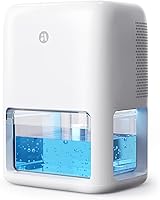
avylo Dehumidifier for Basement with Pump: Best for quiet pumped drainage
- 90 pints per day
- Built-in pump with 15 ft lift
- 15 ft drain hose
- 41 dB minimum noise claim
The avylo fits buyers who want a pump, a long hose and a lower stated noise level. Its data does not identify WiFi control, so choose it for pumped drainage rather than app-based monitoring.
Pros
- 15 ft pump lift
- 15 ft drain hose
- 41 dB minimum noise claim
Cons
- WiFi control is not identified
- Floor drain pipe is not included
Avylo suits buyers who want a pump with a long lift and a lower stated noise level. It reaches a maximum of 90 pints per day and is intended for spaces up to 5,000 sq ft.
The built-in pump has a 15 ft lift, and the included drain hose is 15 ft long. You can also use the 2.11-gallon top-mounted tank or gravity drainage.
The unit shows humidity and temperature on an LED display and supports automatic operation, three speeds, a child lock and a 24-hour timer. Its stated minimum operating noise is 41 dB.
WiFi control is not identified in the product information, so this is not a direct choice for app monitoring. Pick avylo when pumped drainage, hose length and noise matter more than remote access.
Empty the tank before setting up a hose route and check that the connection is secure. A clear pump path and a clean filter will help the unit keep its quiet character over time.
Waykar 150 Pint Commercial Dehumidifier with Pump: Best for very large spaces
- 150 pints per day
- Up to 7,000 sq ft
- Pump lift up to 9.84 ft
- Included pump hose and drain hose
This Waykar is aimed at very large rooms, commercial spaces and demanding basement conditions. It has strong drainage flexibility, but WiFi control is not identified.
Pros
- Highest stated capacity
- Pump and gravity drainage
- Self-drying and auto defrost
Cons
- WiFi control is not identified
- Commercial-size cabinet
Waykar's 150-pint commercial model is designed for the largest spaces in this group. It removes up to 150 pints per day and covers up to 7,000 sq ft.
That headroom is aimed at rooms where moisture arrives from several sources at once. A large basement, garage or warehouse can stay damp even when a smaller unit is running without a break.
The pump can discharge upward by up to 9.84 ft, and the included pump hose and 3.3 ft gravity drain hose give you more than one setup path. The 1.85-gallon tank remains available when you need manual collection.
The shorter pump lift is the main limit to keep in mind. Measure the height to your sink or drain before you buy, since a higher outlet may need a different model.
Auto defrost and self-drying support operation in demanding spaces. The humidity control range is 30% to 80%, and the display shows the room humidity for setup adjustments.
Self-drying is especially useful when the unit will sit unused between wet spells. It helps reduce the dampness left inside after shutdown and supports reuse when the next humid period arrives.
WiFi control is not identified. Choose this model for high moisture loads in large basements, garages, warehouses or other spaces where capacity matters more than remote control.
For a basement-specific comparison, see our Best Pump Dehumidifier For Basement guide. That comparison can help you judge whether a commercial-size cabinet fits a home basement or is better kept for a workshop.
Midea 22 Pint Dehumidifier for Basement: Best for smaller rooms with smart control
- WiFi control
- Up to 1,500 sq ft
- 22 pints per day
- Continuous drain socket
Midea is a practical smart choice for smaller basements, bedrooms and offices. It has WiFi but no built-in pump, so the drain hose must run downward to a suitable outlet.
Pros
- WiFi and voice control
- Quiet 47 dBA operation
- Auto restart and auto defrost
Cons
- No built-in pump
- Standard hose is not included
Midea is the better fit for a smaller room where you want WiFi without a large commercial cabinet. It removes up to 22 pints per day and is intended for spaces up to 1,500 sq ft.
That size suits a bedroom, a small office or a modest basement corner. It is easier to move from room to room than the larger pump models, which helps when humidity shifts through the season.
The unit has a 0.8-gallon tank and a built-in socket for a standard hose. That drainage path needs to run downward because this model does not identify a pump.
A downward hose route is simple when a floor drain sits nearby. If the only outlet is above the unit, this model is not the right drainage choice.
WiFi control works through the SmartHome app on iOS or Android, and voice control works with Alexa or Google Assistant. Its 47 dBA operation, auto restart and auto defrost suit bedrooms, offices and smaller basements.
Auto restart is a quiet benefit after a power cut. The unit can return to your chosen settings instead of waiting for a manual reset when you come back to the room.
Choose Midea when the room size is modest and the drain is nearby. Do not choose it for a raised drain unless you have another way to move the water.
Keep the reusable filter clean and check the tank often if you are not using a hose. With a small tank, continuous drainage or frequent emptying makes a clear difference in daily use.
DuraComfort 129 Pints Max Dehumidifier with Pump: Best for app control and high pump lift
- 2.4 GHz WiFi app control
- 50 pints per day DOE rating
- 16.4 ft pump lift
- Three drainage options
DuraComfort combines phone control with a 16.4 ft pump lift, making it useful where the drain is above the unit. It also supports gravity drainage and tank collection.
Pros
- 2.4 GHz WiFi app control
- 16.4 ft pump lift
- Three drainage options
Cons
- 44 lb weight
- Included components list names the dehumidifier only
DuraComfort is a strong choice when the drain sits above the unit. Its built-in pump can lift water up to 16.4 ft, and the unit also supports gravity drainage or collection in its removable 12-pint tank.
That lift suits a basement where the nearest sink is on the main floor. You do not need to carry a full tank up the stairs when a pump route is available.
The dehumidifier has a 50-pint DOE rating and a maximum of 129 pints. Coverage is stated at 4,500 sq ft, with four operating modes for everyday, continuous and laundry use.
The DOE rating is the steadier guide for normal conditions. The maximum figure belongs to high heat and high humidity, so it should not be treated as the everyday result.
Its 2.4 GHz WiFi app lets you check humidity, adjust settings and change modes from your phone. Auto defrost, auto restart, a washable filter and full-tank shutoff help with routine care.
The unit weighs 44 lb and measures 11 x 15 x 24 inches. Choose DuraComfort when phone control and pump lift matter more than a lighter cabinet.
Rolling casters and built-in handles help with placement, but the weight calls for a firm, level spot. Set the hose route first, then position the unit so the connection does not bend sharply.
Gasbye Energy Star 2026 Dehumidifier with [𝗥𝗲𝗽𝗹𝗮𝗰𝗲𝗮𝗯𝗹𝗲: Best for pump maintenance access
- Replaceable, cleanable pump
- 75 pints per day
- 16.5 ft drain hose
- 44 dB pump drainage claim
Gasbye stands out for a pump designed for removal and cleaning. It suits buyers who place long-term pump care above WiFi control, which is not identified here.
Pros
- Replaceable pump design
- 16.5 ft drain hose
- Four operating modes
Cons
- WiFi control is not identified
- Pump maintenance still requires regular attention
Gasbye stands out because its pump is designed to be removed, cleaned and replaced. That makes it a useful option for buyers who expect pump maintenance to be part of long-term ownership.
Pump care matters because condensation water is not perfectly clean. Dust that passes through the air can settle inside the unit, so access for cleaning is a practical long-term benefit.
It removes up to 75 pints per day and covers 4,500 sq ft. The 1.45-gallon tank can collect water, while the included pump drain hose measures 16.5 ft.
A longer hose gives more freedom when routing water to a sink or drain. Keep the run smooth and avoid sharp bends, since a kink can slow drainage even when the pump is working.
The unit supports Normal, Continuous, Auto and Sleep modes. Gasbye also states a pump drainage noise level as low as 44 dB, and the unit includes automatic shutoff and restart.
Sleep mode suits a room where the unit runs near people at night. Automatic restart also helps after a power outage, since the unit can resume its previous settings.
WiFi control is not identified, so Gasbye is not a direct match when app monitoring is essential. Pick it when access to the pump is your main concern.
Regular checks will keep that advantage alive. Inspect the pump area, clean the filter and confirm the hose outlet is clear at the times you would check any drain setup.
Waykar 80 Pints 2025 Energy Star Dehumidifier: Best for large rooms with simple controls
- 80 pints per day
- Up to 5,000 sq ft
- 3.3 ft drain hose
- Self-drying and auto defrost
This Waykar offers high moisture capacity and flexible gravity drainage for large rooms. It does not identify WiFi or a built-in pump, so it is best where a floor drain is close and low.
Pros
- 80-pint maximum capacity
- Self-drying function
- Washable filter
Cons
- No built-in pump identified
- No WiFi control identified
This Waykar is a good fit for large rooms where a low floor drain is close to the unit. It removes up to 80 pints per day in high humidity and is intended for spaces up to 5,000 sq ft.
That capacity suits a broad basement or a large living area that stays damp in warm weather. It is less suited to a small bedroom, where a lower-capacity model would be easier to place.
The 0.92-gallon tank can be replaced with the included 3.3 ft drain hose for continuous gravity drainage. There is no built-in pump identified, so the hose needs a downward route.
A short hose works best when the drain is almost beside the unit. If the outlet is across the room, the route may need a different plan before you buy.
Self-drying runs after shutdown, while auto defrost supports operation in cool basements down to 41°F. The control panel offers auto and continuous modes, and the washable filter can be cleaned and reused.
Auto mode is a good default for a room you do not visit daily. Continuous mode is there for periods when dampness keeps returning and you want the unit to keep working toward a dry target.
WiFi control is not identified. Choose this Waykar when capacity, self-drying and simple drainage matter more than app access or upward pumping.
Clean the filter as dust builds and keep the tank empty if you choose manual collection. That simple routine helps the unit maintain airflow and steady moisture removal.
Frigidaire 50 Pint Dehumidifier w/Wifi: Best for washable-filter upkeep
- WiFi
- 50 pints per day
- 235 CFM airflow
- Washable filter and continuous draining
Frigidaire gives large-room capacity, WiFi and a washable filter in a residential unit. A built-in pump is not identified, so use it where gravity drainage works.
Pros
- WiFi
- 235 CFM airflow
- Washable filter
Cons
- No built-in pump identified
- Tank and filter are the included components named
Frigidaire combines a 50-pint capacity, WiFi and 235 CFM airflow for large residential rooms. Its stated coverage is 4,500 sq ft.
Strong airflow helps a large room feel evenly dried rather than damp near the unit and dry only in one corner. That matters in open-plan spaces where air needs to move across seating or work areas.
The unit supports continuous draining and also includes a tank. A built-in pump is not identified, so plan for a drain route that works by gravity.
Gravity drainage is simple when the outlet is low and close. It is not a fit for a sink that sits well above the dehumidifier.
Custom humidity control lets you set the desired moisture level. The washable filter captures dust and can be cleaned as part of regular care.
A washable filter keeps upkeep straightforward in a dusty garage or basement. Washing and drying it before refitting is easier than buying repeated replacements.
Frigidaire is a sensible choice when WiFi and filter upkeep matter more than pumped drainage. If you need a hose-based setup without app control, compare it with our Best WiFi Dehumidifiers with Drain Hoses guide.
Place the unit where air can circulate and keep the front clear of furniture. That placement helps both the WiFi controls and the drying performance feel useful in daily use.
How do pumps and WiFi change dehumidifier setup?
A pump changes where the water can go, while WiFi changes how you manage the unit. They work together, but one does not replace the other.
A gravity drain needs a hose that slopes downward to a suitable outlet. A pump can push water upward, which helps when the dehumidifier sits below a sink, drain or other approved discharge point.
Before setup, measure the vertical lift and the full hose route. Leave enough room around the unit for airflow, keep the hose from kinking and confirm that the outlet can accept a steady flow of water.
WiFi setup also depends on the model. DuraComfort identifies 2.4 GHz WiFi, while hOmeLabs identifies smartphone, Alexa and Google Assistant control.
Midea uses the SmartHome app with iOS and Android devices.
Do not assume every WiFi dehumidifier has a pump. Midea and Frigidaire offer WiFi in this group, but their product information does not identify built-in pumps.
What capacity should you choose for a basement or whole house?
Choose capacity by room size and moisture load, not by the maximum number alone. A 22-pint unit suits smaller spaces, while 50-pint and larger units better match large or persistently damp areas.
A basement with wet walls, a laundry room with frequent washing or a garage with damp tools can need more capacity than its square footage suggests. Moisture load matters as much as floor area.
Ratings use different conditions. For example, hOmeLabs gives an everyday rating at 80°F and 60% RH and a higher maximum at 95°F and 90% RH.
That difference explains why two models can look far apart on paper yet feel closer in a cool basement. Warm, humid air holds more moisture, so the maximum rises with those conditions.
A large maximum does not mean the unit will remove that amount in every room. Use stated coverage as a starting point, then consider whether the space is a basement, garage or laundry area.
Also think about how the room is used and how airflow moves through it. Open doors help one unit serve connected rooms, while closed doors can leave a far room damp.
For broader whole-house choices, see our Best WiFi Dehumidifier For Whole House guide. Keep doors and airflow paths in mind when one unit serves more than one room.
If humidity stays high after steady running, check the filter, drain route and target setting before assuming capacity is too small. A realistic target and time to reach it help more than chasing a very low setting.
Start with stated coverage, then adjust for damp walls, poor airflow and nearby moisture sources. That approach leads to a better choice than the largest number alone.
How should you care for a pump-equipped dehumidifier?
Clean the washable filter regularly, inspect the drain hose and keep the tank and pump area free of buildup. The cleaning schedule depends on dust, use and room conditions.
A basement with concrete dust or a garage with fine debris will clog a filter faster than a bedroom. Check the filter after the first few weeks, then settle into a routine that fits the room.
Models here offer different maintenance features. hOmeLabs, Waykar and Frigidaire identify washable filters, while Waykar also identifies self-drying and Gasbye highlights a removable, cleanable pump.
Check the hose connection after setup and after moving the unit. A loose connection or kink can interrupt drainage even when the dehumidifier is operating.
Use tank shutoff as a backup, not as a reason to ignore the drain path. Remote monitoring can help you notice changes, but it does not replace physical checks of the hose and outlet.
Keep the area around the unit clear for airflow and cleaning. Dust around the cabinet can add to filter load and make care more frequent.
For pump models, treat the pump as a service part rather than a sealed box. Clean what you can reach and watch for slow drainage before it becomes a full blockage.
Store the unit dry, with the cord wrapped and the tank empty when it will sit unused. That habit helps the next wet season start without musty buildup inside the cabinet.
Which dehumidifier with pump and WiFi should you choose?
Choose the hOmeLabs 50 Pint with Pump if you want the best balance of WiFi, built-in pumping and broad stated coverage. Choose DuraComfort if a 16.4 ft lift and phone control fit your drain route better.
Pick avylo when a 15 ft pump lift and lower stated noise level matter more than WiFi. Choose Waykar's 150-pint model for very large spaces, or Gasbye when pump access and cleaning are central.
For smaller smart rooms, Midea offers WiFi without a built-in pump. Frigidaire is another WiFi option with a washable filter, while the non-pump Waykar suits large rooms with a nearby floor drain.
Do not force a non-pump model into a setup that needs water to travel upward. A low floor drain makes gravity drainage simple, but a raised sink calls for a pump model.
The right best dehumidifier with pump and WiFi is the one whose capacity matches the room and whose drainage route works without guesswork. Measure the drain height first, then choose the controls and maintenance features you will actually use.
Also check hose length and space around the unit before you order. A model that fits the room and the drain will be easier to run, easier to clean and easier to keep in steady use.
Our top 3 picks at a glance
-
1
-
2
-
3
Best for quiet pumped drainage
avylo Dehumidifier for Basement with Pump
9.5/10 our score
See it on Amazon
Frequently asked questions
What is the best dehumidifier with pump and WiFi?
The hOmeLabs 50 Pint with Pump is the best fit for most large spaces because it combines WiFi control, a built-in pump, continuous drainage and stated coverage up to 7,500 sq ft. DuraComfort is a strong alternative when a 16.4 ft pump lift matters more.
Do all WiFi dehumidifiers have pumps?
No. WiFi and pumping solve different problems.
WiFi lets you monitor or adjust the unit remotely, while a pump moves collected water upward or across a longer route.
Check both features before choosing a model for an unattended basement.
How high can a dehumidifier pump water?
Pump lift varies by model. The avylo reaches up to 15 ft, DuraComfort reaches up to 16.4 ft, Gasbye includes a 16.5 ft drain hose, and Waykar lists pump discharge up to 9.84 ft.
Match the stated lift to your drain height.
Can a dehumidifier with a pump run continuously?
Yes, a pump-equipped unit can support continuous drainage when the hose is set up correctly and the drain accepts the water. Keep the tank, hose connection and outlet clear.
A unit with gravity drainage needs a downward path instead of an upward lift.