Can You Use a Dehumidifier in an RV?
On this page (9 sections)
- Using a Dehumidifier in Your RV: What You Need to Know
- Why Controlling Moisture in Your RV Is a Big Deal
- Picking the Best Dehumidifier for RV Life
- Smart Placement and Setup for Maximum Effectiveness
- Keeping Your Dehumidifier in Top Shape
- Other Proven Ways to Fight RV Humidity
- Your RV Humidity Control Checklist
- Conclusion
- Frequently Asked Questions
Yes, you can absolutely use a dehumidifier in an RV. The main reason is to control excess moisture that leads to condensation, mold, and a musty smell inside your rig.
We found that moisture build-up is a common challenge for many RV owners, especially when camping in humid climates or during seasonal changes. Using a dehumidifier helps protect your RV’s interior, from wood cabinetry to electronics, and creates a more comfortable, healthier living environment on the road.
- A dehumidifier is a highly effective tool for managing RV humidity and preventing damaging condensation.
- Choosing the right type, like a small electric or a non-electric desiccant model, depends on your RV setup and power source.
- Proper placement is key for maximum efficiency; aim for central, open areas away from walls.
- Regular maintenance, like emptying the tank, ensures your unit runs smoothly throughout your trip.
- Understanding RV ventilation alongside dehumidification provides the best defense against moisture.
Below, we’ll dive deeper into the best types of dehumidifiers for RV use, smart placement tips, and other practical ways to keep your home on wheels dry and cozy.
Using a Dehumidifier in Your RV: What You Need to Know
The short answer is yes. A dehumidifier is a smart tool for RV owners to manage humidity. It pulls excess water vapor from the air. This prevents condensation on windows and walls. It stops mold and mildew before they start. You’ll have a fresher, healthier space to live in.
Why Controlling Moisture in Your RV Is a Big Deal
Moisture is the enemy of a well-maintained RV. It comes from many sources. Cooking, showering, breathing, and even wet towels all add water to the air. In a small, enclosed space, this humidity builds up fast.
The Real Risks of High Humidity
Too much moisture leads to more than just a musty smell. We found that persistent humidity causes actual damage. Condensation seeps into walls, damaging insulation and wood. It can ruin upholstery and electronics. Most importantly, it creates the perfect breeding ground for mold and mildew.
- Health concerns: The CDC notes mold can cause respiratory issues and allergic reactions.
- Structural damage: Moisture rots wood framing and causes delamination.
- Financial cost: Repairs for mold and water damage are expensive.
How a Dehumidifier Acts as Your First Line of Defense
A dehumidifier works like a sponge for the air. It draws in humid air and traps the water inside a tank or drains it away. This simple process keeps the relative humidity in your RV at a safer level. Experts often suggest aiming for 30% to 50% humidity. This range is comfortable and less welcoming to mold growth (Mayo Clinic).
Picking the Best Dehumidifier for RV Life
Not all dehumidifiers are created equal. Your RV’s power source and size matter. You can’t just buy the biggest unit at the hardware store. You need one designed for small spaces and mobile living.
Electric Compressor vs. Desiccant Models
There are two main types to consider. The choice depends on how you use your RV.
When an Electric Model Makes Sense
These are the most common type. They work well in warm, humid environments. They use a cooling coil to condense water from the air. They are very efficient when the temperature is above 65°F. You will need a steady power source, like a generator or shore power.
When a Desiccant Model is Your Best Friend
Desiccant dehumidifiers don’t use a compressor. Instead, they use a material that absorbs moisture. They work excellently in cooler temperatures, even below freezing. They are often quieter and lighter. They are perfect for camping in the spring or fall when it’s chilly but damp.
| Feature | Electric Compressor Dehumidifier | Desiccant Dehumidifier |
|---|---|---|
| Best For | Warm climates (above 65°F) | Cool climates, four-season use |
| Efficiency | High in warm, humid air | Consistent across temperatures |
| Power Use | Typically higher wattage | Often lower wattage |
| Noise Level | Can be louder (compressor cycle) | Generally quieter operation |
| Portability | Varies, can be heavier | Often more compact and lightweight |
Key Features That Matter for RVs
Look for these specs when shopping. Size and weight are obvious. You need something you can lift and store easily. A built-in humidistat is very helpful. It lets you set a target humidity level. The unit will turn on and off automatically. A removable water tank is a must. Some models offer a continuous drain hose. This is great if you have a place to route the water outside.
Smart Placement and Setup for Maximum Effectiveness
You can’t just shove the dehumidifier in a closet and hope for the best. Where you put it matters a lot. Airflow is everything.
The Golden Rules of Positioning
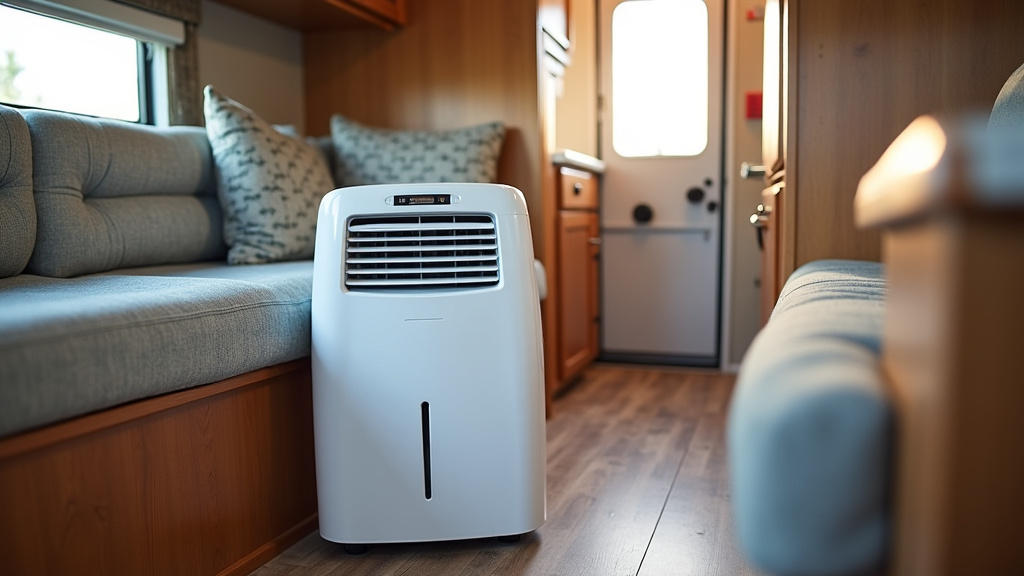
Place your dehumidifier in a central, open area. Keep it away from curtains, bedding, or walls. It needs clear space all around it to pull in moist air. Think of it like a fan. It works best when it can breathe. For most RVs, the main living area is ideal. You can also place it near the source of moisture, like the bathroom, after a shower.
Powering Your Unit Safely
Always check the wattage requirements. Ensure your RV’s electrical system can handle it. Running it off a small inverter while driving might not be wise. It’s usually best to run it when plugged into shore power or using a generator. This protects your RV’s battery and the dehumidifier itself.
Keeping Your Dehumidifier in Top Shape
A little maintenance goes a long way. A clean unit works better and lasts longer. It also prevents it from becoming a health hazard itself.
Regular Cleaning and Emptying
Empty the water tank daily if you don’t have a continuous drain. Standing water is a breeding ground for bacteria. Clean the tank with mild soap and water every few weeks. Wash the air filter regularly too. A clogged filter reduces efficiency. Most manufacturers recommend cleaning it monthly during heavy use.
End-of-Season Storage Tips
If you winterize your RV, do the same for your dehumidifier. Empty and dry the tank completely. Wipe down the exterior. Store it in a dry place with the cord wrapped loosely. This prevents mildew growth inside the unit during the off-season.
Other Proven Ways to Fight RV Humidity
A dehumidifier is a powerful ally. But it’s not the only weapon in your arsenal. Combining methods gives you the best defense.
Ventilation is Your Best Friend
Good airflow helps moisture escape. Use your RV’s exhaust fans while cooking and showering. Open vents and windows when the outside air is drier. This simple habit makes a huge difference. Many experts say proper ventilation is the first step in moisture control (CDC).
The Role of Passive Moisture Absorbers
For smaller spaces like closets or cabinets, passive absorbers work well. These are products like DampRid or silica gel packs. They won’t control the whole RV’s humidity. But they are great for preventing musty smells in enclosed storage areas.
Monitoring Humidity Levels
How do you know if your efforts are working? Get a simple digital hygrometer. It measures the relative humidity in your RV. This inexpensive tool takes the guesswork out. You can see if you need to run the dehumidifier more or improve ventilation. Aim to keep the number between 30% and 50%.
Your RV Humidity Control Checklist
Use this list to stay on top of moisture in your rig. Consistent habits prevent big problems.
- ✅ Run the dehumidifier daily during humid weather or after heavy moisture activities.
- ✅ Always use bathroom and kitchen exhaust fans when creating steam.
- ✅ Empty and clean the dehumidifier tank on a regular schedule.
- ✅ Check the RV for leaks around windows, doors, and seals every season.
- ✅ Use a hygrometer to monitor humidity levels inside the living space.
- ✅ Store moisture-absorbing products in closets and storage bays.
Conclusion
You now have the knowledge to confidently use a dehumidifier in your RV. The key is to control moisture, which prevents condensation, mold, and damage to your rig’s interior. Choose the right type for your climate, place it in a central spot, and keep up with simple maintenance. Combining it with good ventilation offers the best defense. Your next step is clear: check your RV’s humidity level today and pick a dehumidifier that fits your needs. This will keep your home on wheels dry, cozy, and protected for all your adventures.
Frequently Asked Questions
What size dehumidifier do I need for my RV?
For most RVs, a compact unit with a capacity of 20-30 pints per day works well. It depends on your RV’s square footage and humidity levels. We recommend choosing a model designed for small spaces to ensure efficiency.
Can I run a dehumidifier in my RV while driving?
It’s generally not recommended to run it while driving. Your RV’s electrical system may not handle the load safely. Always use it when parked with shore power or a generator to avoid draining your battery.
How often should I empty the dehumidifier tank in my RV?
You should empty the tank daily if you don’t have a continuous drain hose. Standing water can lead to bacteria growth. Clean the tank regularly with mild soap to keep it fresh.
Are there dehumidifiers that work without electricity?
Yes, desiccant models or passive absorbers like DampRid work without electricity. They’re great for small spaces or when you’re off-grid. However, they may not control humidity in larger areas as effectively.
How do I know if my RV needs a dehumidifier?
Look for signs like condensation on windows, musty smells, or mold spots. A digital hygrometer can measure humidity; aim for 30% to 50%. If levels are consistently high, a dehumidifier is a smart solution.