What to Look for in a Dehumidifier for Very Low Humidity
For very low humidity, compare a desiccant dehumidifier's stated operating range and control options with your target. Many small thermoelectric units work best at higher humidity and may be unsuitable for dry conditions.
On this page (9 sections)
- What does very low humidity mean for your room?
- Which dehumidifier technology should you compare?
- What operating limits should you check?
- How do controls affect a low humidity target?
- What role can passive moisture absorbers play?
- Which compact options have humidity limits?
- How should you compare capacity and moisture removal?
- How can you decide whether a model fits?
- What is the decision rule for very low humidity?
A dehumidifier for very low humidity should have a stated operating range and controls suited to your target. Compare desiccant models first, then confirm their minimum operating humidity, setpoint range, and whether they can cycle to hold the level you need.
Many compact thermoelectric units are intended for damp, small spaces rather than unusually dry targets. For example, Eva-Dry says the EDV-1100 is not recommended below 50% relative humidity.
What does very low humidity mean for your room?
Very low humidity means a specific target below the range many ordinary room dehumidifiers are designed to manage. Decide the target from the needs of the space, then measure current humidity with a hygrometer before buying equipment.
Relative humidity changes with temperature, so compare readings taken in the room under normal conditions. A single reading may not show whether humidity stays low through daily or seasonal changes.
Write down the target, the room temperature range, and the room's approximate size. Those details help you check a unit's operating limits and capacity claims.
Which dehumidifier technology should you compare?
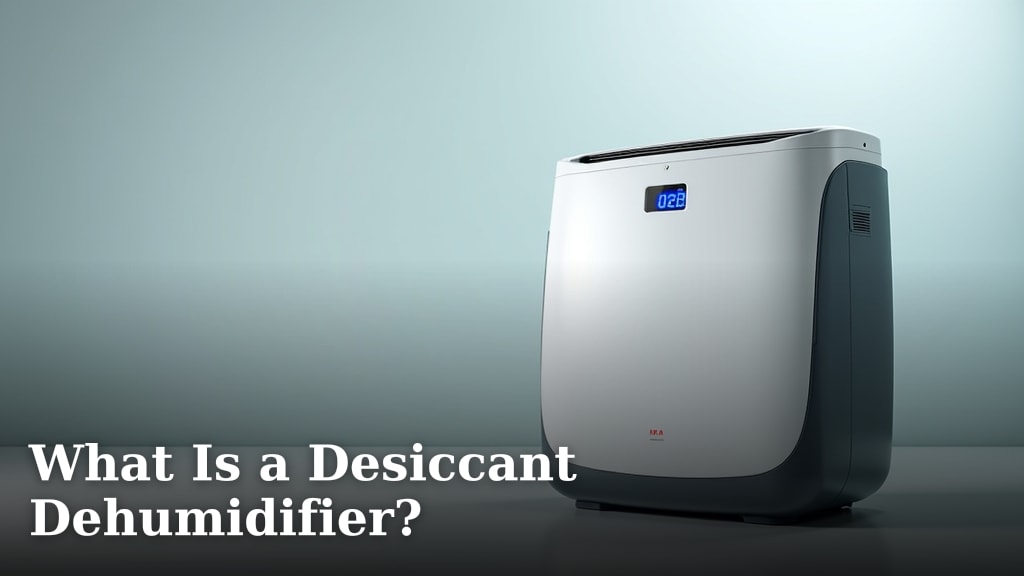
A desiccant dehumidifier is a useful starting point for unusually low humidity goals, but performance depends on the model's stated range and controls. Learn what a desiccant dehumidifier is before comparing it with other types.
Desiccant units use moisture-attracting material and a process to release the captured moisture for collection or removal. Their design differs from compressor units, which condense water from air on a cooled surface.
Neither type is automatically right for every target. Compare how each model operates at your room's temperature and humidity, and look for a published minimum humidity and an adjustable humidistat or other control.
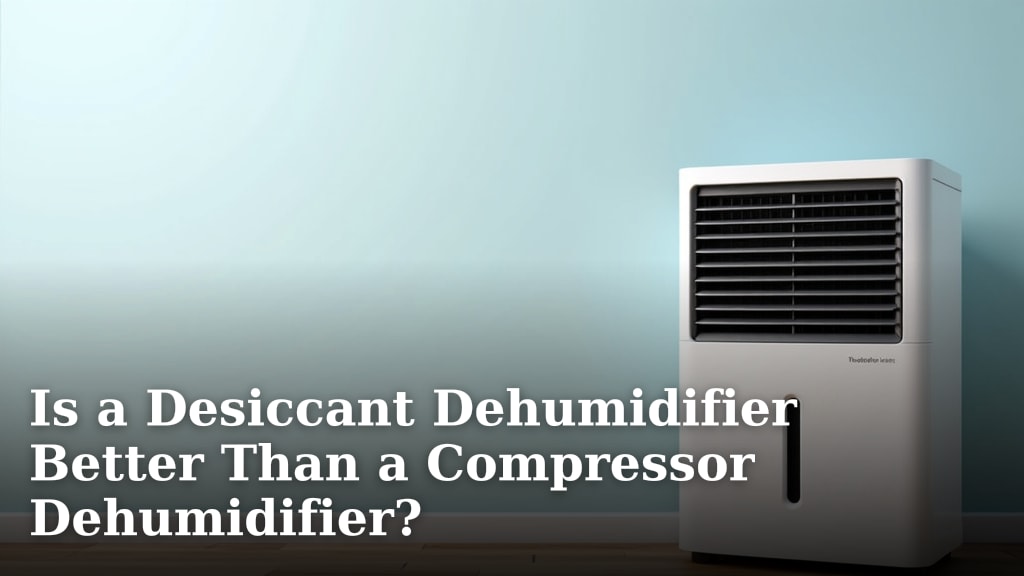
For the trade-offs between technologies, read whether a desiccant dehumidifier is better than a compressor dehumidifier. If you are comparing wheel-based designs, see how a desiccant wheel dehumidifier works.
What operating limits should you check?
Check the minimum relative humidity and temperature range before considering capacity or extra features. A unit may collect less water as the air gets drier or colder, and some manufacturers advise against use below a stated threshold.
The EDV-1100 is a clear example: Eva-Dry says it is not recommended below 50% relative humidity or below 50°F. That makes it unsuitable for a lower target, regardless of its compact size.
Look for these details in the instructions for any model you consider:
- Minimum and maximum operating temperature
- Minimum relative humidity, if stated
- Recommended room size and conditions for capacity claims
- Whether the unit has a humidistat or target setting
- How collected moisture is drained or emptied
- Whether it restarts after a power interruption
If the manufacturer does not specify a lower humidity limit or a target setting, do not assume the unit can hold an unusually dry room. Ask the manufacturer for guidance when the target is critical.
How do controls affect a low humidity target?
A humidistat or clear control range matters when you need the room to stay near a chosen level. A basic on/off unit without a humidity setting may keep removing moisture whenever it runs, rather than stopping at your target.
Check whether the control shows a setpoint, whether it can cycle the unit, and how closely its displayed reading matches a separate hygrometer. Do not treat a numbered dial as a percentage unless the manual says it is one.
Place a hygrometer away from the unit's air outlet and from windows, exterior doors, and direct heat. Compare readings in more than one part of a large room because humidity can vary by location.
If the unit cannot regulate to the target, you may need to turn it on and off manually while tracking readings. That approach requires attention and can allow humidity to move above or below the desired range between checks.
What role can passive moisture absorbers play?
A passive absorber can help in a small enclosed area, but it cannot maintain a precise room-wide humidity setpoint. It may suit a closet or storage corner where modest moisture control is enough.
DampRid's bucket has a sealed safety cover and Moisture Lock spill resistor. The crystals need replacement after they fully dissolve, and the stated lifespan depends on temperature and humidity.
Treat it as a supplemental option, not equipment for reaching a measured low humidity target. Pair it with a hygrometer if you want to see how conditions change.
Which compact options have humidity limits?
Compact units can suit small spaces, but their operating limits can rule them out for very low targets. Compare the humidity guidance before relying on a small unit to manage a room.
Eva-Dry says the EDV-1100 absorbs less moisture in colder temperatures and drier environments. Its tank holds 16 oz, and the unit shuts off when the tank is full.
Skip it if your target is below 50% relative humidity. Its small size and automatic shutoff do not change the stated minimum humidity guidance.
The Eva-Dry Wireless Mini is rechargeable and designed for small enclosed areas. Its published capacity does not promise a particular humidity setpoint, so use it as a localized absorber rather than a room control system.
How should you compare capacity and moisture removal?
Compare capacity under conditions close to your room, not a single headline number. Moisture removal can change with temperature, relative humidity, room size, and how continuously a unit runs.
Manufacturers may give a maximum collection rate under warm, humid conditions. That rate may not reflect performance in air that is already dry, so check the conditions attached to any capacity figure.
Also consider how the water leaves the unit. A tank requires checking and emptying, while a drain connection may reduce that task if the model supports one.
A unit's area recommendation is not a guarantee that it can reach a specific humidity across that area. Room layout, air movement, moisture sources, and closed doors can all affect the result.
How can you decide whether a model fits?
Choose a model only after matching its operating range, control method, and moisture handling to your room and target. A best desiccant dehumidifier guide can help you compare models once you know those requirements.
Use this checklist:
- Measure the room and note its typical temperature.
- Measure current humidity over several days.
- Set a realistic target for the space.
- Confirm the unit's minimum operating humidity and temperature.
- Check whether its controls can stop at or near that target.
- Confirm how often you must empty a tank or replace an absorber.
- Recheck humidity after setup with a separate hygrometer.
If the target is below a model's stated limit, choose another model or ask the manufacturer whether it is suitable. When the target protects sensitive materials, use monitoring and controls designed for that requirement.
What is the decision rule for very low humidity?
For a measured, low humidity target, prioritize a model with a published operating range and adjustable control that includes your target. Use a passive absorber for localized moisture management, and avoid compact units whose guidance excludes your intended humidity.
For cooler rooms, compare operating temperature limits as well. Our low temperature dehumidifier guide and explanation of whether dehumidifiers work at low temperatures cover that separate constraint.
Frequently asked questions
What type of dehumidifier is better for very low humidity?
A desiccant dehumidifier is a useful type to compare when you need lower humidity, but check its stated operating range and control options against your target. A unit's technology alone does not tell you its lowest setpoint or how steadily it can hold that level.
Can a small thermoelectric dehumidifier reach very low humidity?
It depends on the unit and the room. The Eva-Dry EDV-1100 is not recommended below 50% relative humidity, so it is a poor match if your target is lower than that.
Check the exact model's operating guidance before choosing.
Will a moisture absorber control humidity to a set number?
A passive moisture absorber attracts and traps moisture, but it does not offer a humidity setpoint or automatic control. Use a hygrometer to track the room and choose an active unit with suitable controls if you need to hold a specific relative humidity.
How can I tell whether a dehumidifier is working?
Use a separate hygrometer to track relative humidity in the space over time, and follow the unit's instructions for placement and operation. Water collection can show moisture removal, but by itself it does not confirm that the room has reached or is holding your target.