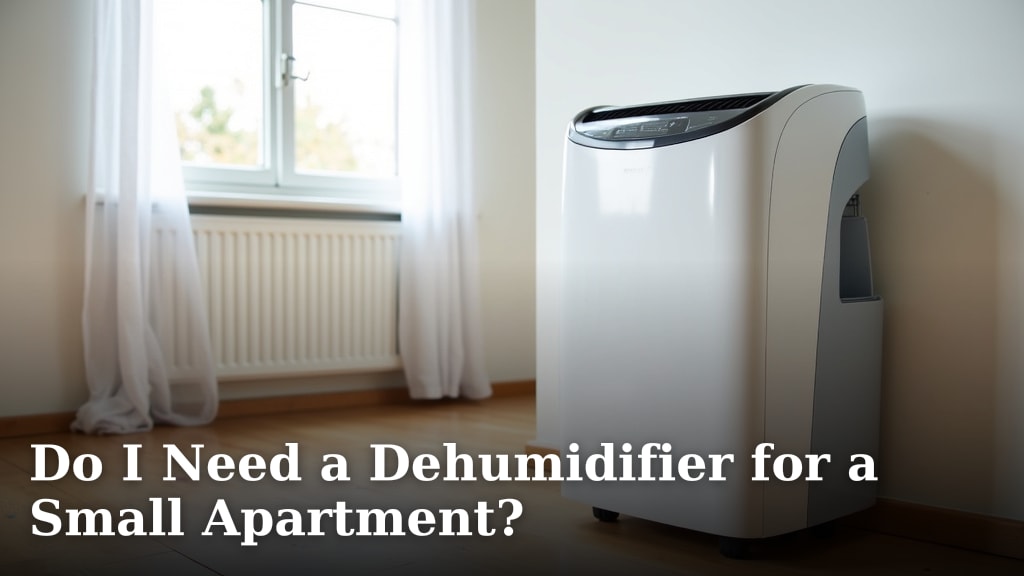
Do I Need a Dehumidifier for a Apartment?
On this page (8 sections)
You might need a dehumidifier for your apartment if you’re noticing sticky air, persistent musty odors, or even mold growth. High humidity levels, often above 50%, can make your living space feel uncomfortable and lead to various problems, so acting early is key to maintaining a healthy home.
Living in an apartment doesn’t automatically mean you’re safe from humidity issues. Factors like poor ventilation, your neighbors’ activities, or even the season can contribute to excess moisture. This can damage your belongings and negatively impact your health, making it important to identify the signs early.
- Yes, apartments can get too humid.
- Signs include sticky air, mold, and musty smells.
- High humidity can damage your home and health.
- A dehumidifier can solve these problems.
We’ve researched this topic thoroughly and found that understanding your apartment’s humidity is the first step. Let’s walk through exactly how to tell if you need a dehumidifier and what to do about it.
Assessing Your Apartment’s Humidity Needs
So, you’re wondering if your apartment needs a dehumidifier? It’s a smart question to ask. High humidity can sneak up on you, making your home feel less comfortable and potentially causing problems. We’ve researched this extensively, and the good news is that identifying the issue is usually straightforward.
The ideal indoor humidity level, according to many health organizations, is between 30% and 50%. When it creeps higher than that, you might start experiencing side effects. Think of your apartment like a sponge; once it’s saturated with moisture, it can’t hold any more and things start to get damp.
Common Signs of High Humidity in Your Apartment
Let’s look at the tell-tale signs that your apartment might be too moist. You don’t need fancy equipment to spot most of these. Trusting your senses is often the best first step.
The Feeling of Sticky Air
Does the air in your apartment feel thick or sticky, even when it’s not particularly warm outside? This is a classic indicator of high humidity. It’s like trying to walk through a mild fog. Your skin might feel clammy, and your clothes might seem to cling to you. It’s a feeling of persistent dampness that regular air conditioning might not fully resolve.
Noticeable Musty Odors
A persistent musty or earthy smell is a strong clue. This odor often comes from mold or mildew that thrives in damp conditions. If you notice this smell, especially in bathrooms, kitchens, closets, or around windows, it’s a sign that moisture is lingering where it shouldn’t be. It’s like a little, unwelcome perfume from excess water.
Condensation on Surfaces
Have you seen beads of water forming on your windows, mirrors, or even cold pipes? This is condensation, and it happens when warm, moist air hits a cooler surface. Seeing water droplets regularly, especially during cooler parts of the day or night, means your indoor air is holding a lot of moisture. It’s like watching your breath on a cold day, but indoors! Seeing regular water droplets on windows indicates high humidity, which this guide helps reduce.
Mold and Mildew Growth
This is perhaps the most serious sign. You might see black, green, or white fuzzy spots appearing on walls, ceilings, in showers, or on fabrics. Mold can grow rapidly in humid environments. It’s not just unsightly; it can also affect your health. If you’re spotting mold, it’s a clear signal that humidity control is needed. Many health experts recommend addressing mold promptly.
Peeling Paint or Warping Materials
Excess moisture can damage the structure and appearance of your apartment. You might notice paint peeling or bubbling on walls, especially near windows or in bathrooms. Wood trim or furniture can start to warp, and wallpaper might begin to lift. These are physical signs of your apartment’s materials struggling with constant dampness.
Problems with Belongings
Does your clothing or bedding feel damp, even after drying? Are your books or papers developing wavy edges? Do you find yourself dealing with excessive static electricity, or are metal items showing signs of rust? These are all consequences of an environment that’s too moist. The air itself is carrying too much water, affecting everything it touches.
Why Do Apartments Get Humid?
You might think apartment living means less control over humidity, and sometimes that’s true. But several factors can contribute to a damp living space, and it’s not always obvious why.
Everyday Activities
Believe it or not, your daily routines can add a significant amount of moisture to the air. Cooking, especially boiling water, showering without proper ventilation, drying clothes indoors, and even just breathing release water vapor. If your apartment has limited airflow, this moisture can build up quickly.
Building Ventilation Issues
Older buildings or apartments with less sophisticated ventilation systems might trap moisture inside. Poorly functioning exhaust fans in bathrooms or kitchens are common culprits. If fresh air isn’t circulating effectively, the humid air generated by your activities has nowhere to go.
Neighboring Units
This is a unique apartment challenge! If your neighbors are experiencing high humidity and their moisture is seeping into your unit through shared walls, floors, or ceilings, it can affect your environment. Think of it as humidity migrating through the building’s structure.
Seasonal Changes
Depending on your location, certain seasons can bring higher humidity. Humid summers are obvious, but even mild, rainy spring or fall weather can increase indoor moisture levels if outdoor air is consistently damp and you’re bringing it inside.
Lack of Natural Light and Airflow
Apartments with fewer windows or poor airflow might not get enough natural ventilation. Sunlight helps dry things out, and open windows allow fresh air to circulate. If your apartment is often closed up, moisture can become trapped.
How to Measure Your Apartment’s Humidity
You don’t need to be a scientist to get a reading on your apartment’s humidity. A simple tool called a hygrometer can give you an accurate measurement. These devices are inexpensive and widely available online or at home improvement stores.
You can find digital hygrometers that display the humidity level clearly. Simply place one in the main living area, away from direct heat sources or drafts, and let it stabilize for a few hours. It will then show you the current relative humidity (RH) percentage. You can get a reading for different rooms to see if some areas are worse than others. This data is key to understanding if you fall into the high humidity zone.
When Is a Dehumidifier a Good Solution?
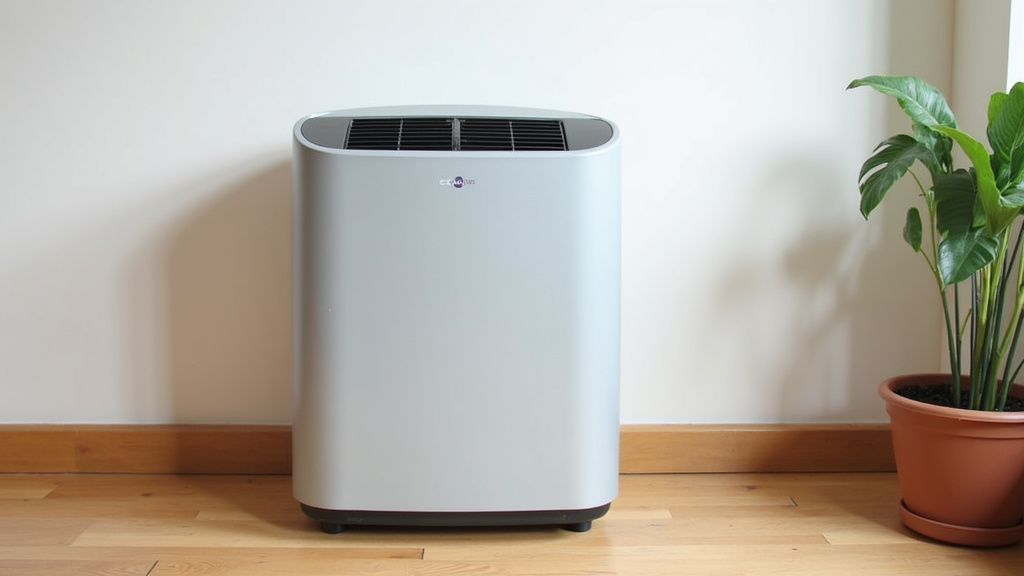
Based on what we’ve found, a dehumidifier is a smart investment if your apartment consistently registers humidity levels above 50%, especially if you’re experiencing any of the signs we’ve discussed. It’s a direct way to combat excess moisture.
Think of it as an air conditioner but focused solely on removing water vapor. While air conditioners cool the air, they also dehumidify as a byproduct. However, an AC might not run long enough to effectively lower humidity, especially in cooler weather, or it might over-cool your apartment just to dehumidify. A dehumidifier is designed specifically for this job and can operate independently of temperature.
It’s particularly useful in the summer months when higher temperatures contribute to more moisture in the air. However, some smaller units can be beneficial year-round if you struggle with persistent dampness, regardless of the season. It can also help prevent those annoying wintertime condensation issues.
| Relative Humidity (RH) Level | Description & Impact |
|---|---|
| Below 30% | Too dry. Can lead to dry skin, irritated sinuses, and static electricity. |
| 30% – 50% | Ideal Range. Comfortable and healthy. Minimal risk of mold and dust mites. |
| 50% – 60% | Slightly high. May start to feel sticky. Increased risk for dust mites and mold growth. |
| Above 60% | High Humidity. Noticeable dampness, musty odors, condensation, and significant mold/mildew risk. Can damage belongings and affect health. |
A Quick Checklist for Your Apartment’s Humidity
Here’s a handy list to help you quickly assess your apartment’s humidity situation. If you answer “yes” to a few of these, it’s time to consider a dehumidifier.
- Do you often feel sticky or clammy air in your apartment?
- Can you smell musty or moldy odors, especially in bathrooms or closets?
- Do you see condensation on windows or mirrors regularly?
- Have you spotted any signs of mold or mildew growth?
- Do your clothes or belongings feel damp or take ages to dry?
- Are you dealing with an excessive amount of static electricity?
Conclusion
You’ve learned that apartment humidity is a real issue. Sticky air, musty smells, and condensation are clear signs. We’ve found that understanding these signals is your first step. A hygrometer can confirm your suspicions. If your humidity is consistently above 50%, a dehumidifier is your best bet. It directly tackles moisture problems that ACs might miss. Take action to make your apartment a healthier, more comfortable space today.
Frequently Asked Questions
How big of a dehumidifier do I need for my apartment?
For most apartments, a compact or medium-sized dehumidifier is usually sufficient. You’ll want to consider the square footage of the primary area you intend to use it in. Over-sizing it can be wasteful and overly dry the air.
Can I just open my windows to reduce apartment humidity?
Opening windows can help if the outside air is drier than inside, which is rare in humid climates or seasons. If the outside air is also moist, opening windows can actually bring more humidity in. It’s best to check your humidity levels first.
Will a dehumidifier use a lot of electricity?
Dehumidifier energy usage varies by model and size. Newer, energy-efficient models are designed to be more economical. Running it only when needed, based on your hygrometer readings, can help manage electricity costs.
What’s the difference between a dehumidifier and an air conditioner?
An air conditioner’s primary job is to cool the air, and dehumidifying is a secondary effect. A dehumidifier’s sole purpose is to remove moisture from the air. A dehumidifier can operate without significantly cooling your apartment, making it more versatile for humidity control year-round.
How often should I empty the water tank on my dehumidifier?
This depends on how much moisture your dehumidifier is removing. On very humid days, you might need to empty it daily. Many models have an auto-shutoff feature when the tank is full, and some even have a continuous drain option if you can route the hose.