
Do I Need a Dehumidifier for a Storage Unit?
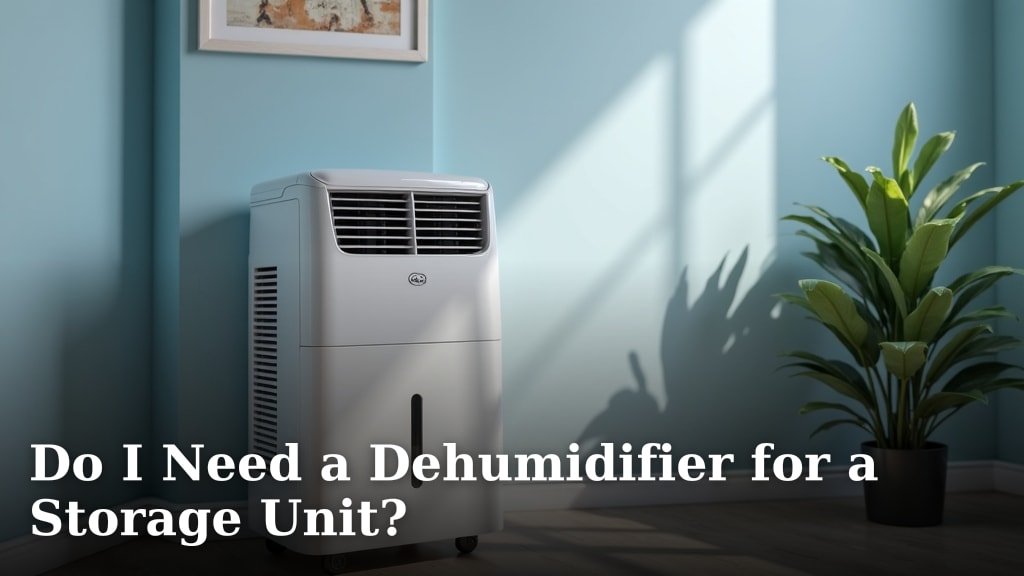
You might be wondering if you need a dehumidifier for your storage unit. The answer is usually yes, especially if you’re storing sensitive items. High humidity can lead to mold, mildew, and damage to your belongings. A dehumidifier helps maintain a dry, stable environment.
Storage units can get surprisingly damp. This is often due to weather, poor ventilation, or even leaks. Without protection, your cherished possessions could be at risk of becoming warped, stained, or ruined. We found that controlling moisture is key to keeping stored items in good condition over time.
- Dehumidifiers protect against mold and mildew.
- They prevent damage to items like furniture and electronics.
- Controlling humidity extends the lifespan of stored goods.
- Consider your storage unit’s climate and what you’re storing.
Let’s look at why humidity is such a problem for storage units and how a dehumidifier can be your storage superhero. We’ll help you decide if this is the right move for your unit.
When Should You Consider a Dehumidifier for Your Storage Unit?
You might be wondering if your storage unit truly needs a dehumidifier. The general answer is yes, especially if you’re storing anything sensitive to moisture. Even if your unit seems dry on the surface, hidden humidity can wreak havoc over time. We found that controlling moisture is key to preserving your belongings.
Think of your storage unit like a closet, but bigger and less frequently opened. In many climates, storage facilities can experience significant humidity swings. This is often due to outside weather, ventilation issues, or even slight leaks. Without active moisture control, you risk more than just a musty smell.
Understanding the Moisture Menace in Storage Units
So, why is humidity such a big deal for your stored items? It all comes down to water vapor in the air. When the air is thick with moisture, it can condense on surfaces. This creates a damp environment where problems love to grow.
The Growth of Mold and Mildew
Mold and mildew are the most common culprits. They thrive in dark, damp, and poorly ventilated spaces, which sounds a lot like many storage units. You’ve probably seen mold grow in your bathroom or on forgotten food.
In a storage unit, mold can attack almost anything. It starts as fuzzy spots, often greenish or black. Then it spreads, staining fabrics, paper, and even wood. The spores can also release an unpleasant odor. This smell can permeate your items, making them difficult to use or enjoy. Many experts say that controlling humidity is the primary way to prevent mold growth (CDC).
Damage to Your Valuables
Humidity doesn’t just target organic materials. It can cause a surprising amount of damage to other items you might store.
Furniture Worries
Wooden furniture can swell and warp when exposed to too much moisture. Metal parts on furniture can rust. Upholstered items can absorb moisture, leading to mildew and a musty smell that’s hard to get rid of. We found that even sturdy pieces can be affected over long storage periods.
Electronics and Appliances at Risk
Electronic devices and appliances are particularly vulnerable. High humidity can cause corrosion on internal components. This can lead to malfunctions or complete failure. Think about your TV, computer, or even small kitchen appliances. They contain sensitive parts that moisture can damage. It’s best to protect them from damp air, especially if they aren’t in climate-controlled units.
Paper Goods and Photos Fading Fast
Books, documents, photographs, and artwork are highly susceptible to humidity. Paper can become brittle, stained, or warped. Photos can stick together or fade. Important documents could become unreadable. Many archivists recommend consistent humidity levels for long-term preservation (National Archives).
Metal Items and Corrosion
Metal objects, from tools to decorative items, can rust when exposed to moisture. This can weaken them or ruin their appearance. Even things like silverware can tarnish more quickly.
The Smell Factor: Beyond Just Musty
High humidity often leads to that classic “storage unit smell.” This isn’t just unpleasant; it’s a sign of decay. Mold and mildew produce volatile organic compounds (VOCs) that cause the odor. Once this smell takes hold, it can be incredibly difficult to remove from your belongings. You might even have to discard items that are otherwise salvageable.
When Does a Storage Unit Typically Get Humid?
Several factors contribute to a storage unit’s humidity levels. Understanding these can help you assess your specific situation.
Climate and Location
If you live in a generally humid region (like the Southeast or the Gulf Coast), your storage unit is more likely to be damp. Even in drier climates, fluctuations can occur, especially near bodies of water or in basements.
Unit Type and Ventilation
Not all storage units are created equal. Outdoor-access units tend to be more exposed to outside air. Indoor units, especially those on lower floors or without good air circulation, can trap moisture. Units with poor ventilation are prime candidates for humidity problems. They don’t allow moist air to escape easily.
Weather Fluctuations
Rainy seasons, high temperatures, and even fog can increase the ambient humidity. This moisture can seep into storage facilities. If your storage facility isn’t well-sealed or climate-controlled, this external moisture becomes an internal problem.
What You’re Storing
Sometimes, what you put into the unit can affect its humidity. Bringing in damp items, like slightly wet clothing or furniture that wasn’t fully dried, can introduce excess moisture. Think about everything you pack and if it might be carrying extra dampness.
Key Signs You Need a Dehumidifier
Are you noticing any of these warning signs? If so, it’s probably time to consider a dehumidifier.
- Visible mold or mildew: If you see spots or smell that unmistakable musty odor, act fast.
- Condensation on walls or floors: This is a clear indicator of high humidity.
- Damp-feeling items: If your stored goods feel clammy, moisture is present.
- Warping or swelling: Wood furniture or boxes showing signs of damage.
- Rust or corrosion: Metal items developing rust spots.
- Peeling paint or wallpaper: Signs that moisture is affecting the unit’s structure.
We found that early detection and intervention are critical. Don’t wait until the damage is extensive. If you suspect a humidity problem, it’s better to be safe than sorry.
How a Dehumidifier Solves the Storage Unit Moisture Problem
A dehumidifier is essentially a moisture-fighting machine. It works by pulling humid air in, removing the water, and then releasing drier air back into the unit.
The Dehumidifier Mechanism
Most portable dehumidifiers work using a refrigeration cycle. They have a fan that draws in moist air. This air passes over cold coils, causing the moisture to condense into water. This water collects in a tank or drains away. The drier air is then released back into the room. This process actively reduces the humidity level.
Benefits of Using a Dehumidifier
The primary benefit is moisture control. By maintaining a lower humidity level, you create an environment hostile to mold and mildew. This protects your stored items from decay and damage. The primary benefit of a dehumidifier is active moisture control, creating an environment hostile to mold and mildew.
- Prevents mold and mildew growth
- Protects furniture, electronics, and paper goods
- Reduces unpleasant odors
- Extends the lifespan of your stored items
Many experts suggest keeping indoor humidity between 30% and 50% for optimal storage conditions (Environmental Protection Agency). A dehumidifier helps you achieve and maintain this range.

Choosing the Right Dehumidifier for Your Storage Unit
If you’ve decided a dehumidifier is the way to go, you’ll need to pick the right one. Consider the size of your storage unit and the typical humidity levels.
Capacity and Coverage Area
Dehumidifiers are rated by how much moisture they can remove per day (in pints) and the square footage they can cover. A small unit might be sufficient for a standard 5×5 unit, while a larger one might be needed for a 10×10 or bigger space. Always check the manufacturer’s recommendations for coverage area. We found that selecting a unit with a slightly larger capacity than you think you need can be more effective.
Drainage Options
Dehumidifiers collect water in a tank that needs to be emptied. Some models offer continuous drainage, which is ideal if you can run a hose to a drain or outside. This means you won’t have to worry about emptying the tank manually. This is a significant convenience, especially if you can’t visit your unit frequently.
Energy Efficiency
Dehumidifiers use electricity. Look for Energy Star certified models, which are designed to be more energy-efficient. This can help keep your operating costs lower over time. The initial cost might be higher, but the savings can add up.
Portability and Noise
Consider how easy the unit is to move. Most have wheels, but some are lighter than others. Also, think about noise levels. Dehumidifiers can be noisy, so if your storage facility has strict rules or you’re sensitive to sound, look for quieter models.
Is a Climate-Controlled Unit Enough?
Climate-controlled storage units offer a good baseline protection against extreme temperatures and humidity. These facilities use systems to regulate both temperature and humidity. However, they are not always foolproof.
Even in climate-controlled units, humidity can sometimes creep up, especially during peak seasons or if the system has issues. If you’re storing highly sensitive items, like valuable artwork, important documents, or antique furniture, adding your own dehumidifier can provide an extra layer of security. We found that many people choose to use a dehumidifier even in climate-controlled units for absolute peace of mind.
Think of it this way: a climate-controlled unit aims for a comfortable average. Your personal dehumidifier ensures your items are kept in the ideal, dry condition you desire, no matter the external factors. It’s an extra safeguard for your most cherished possessions.
Quick Checklist: Should You Get a Dehumidifier?
Before you decide, run through this quick checklist:
- Is your storage unit in a naturally humid climate?
- Does your unit have poor ventilation or is it located on a lower level?
- Are you storing items sensitive to moisture (wood, paper, electronics, fabrics)?
- Have you noticed any signs of mold, mildew, or condensation?
- Do you plan to store items long-term (over a year)?
- Are you storing items of high monetary or sentimental value?
If you answered “yes” to two or more of these questions, a dehumidifier is likely a wise investment for your storage unit.
Conclusion
Protecting your belongings in a storage unit often means guarding them against hidden moisture. We’ve seen how humidity can lead to mold, damage, and unpleasant odors. A dehumidifier is your best defense, actively removing excess water from the air. Think of it as a small but mighty guardian for your stored items. Don’t wait for damage to appear. Assess your unit’s environment and consider investing in a dehumidifier for peace of mind. Take that proactive step today to keep your possessions safe and sound.
Frequently Asked Questions
How often do I need to empty the dehumidifier tank in my storage unit?
This depends heavily on the unit’s capacity, the humidity level, and how much you run it. For very humid conditions, you might need to empty it daily. A unit with a continuous drain option can eliminate this task entirely, which is ideal for storage units you don’t visit frequently.
Can I just put moisture absorbers like silica gel in my storage unit instead of a dehumidifier?
Silica gel and other moisture absorbers can help in smaller, enclosed spaces like boxes or closets. However, for an entire storage unit, they are generally not powerful enough to combat significant humidity. A dehumidifier actively removes much more moisture from the air.
How do I know if my storage unit’s climate control is actually working well enough?
While climate-controlled units aim to regulate humidity, they aren’t always perfect. If you notice condensation, musty smells, or your items feel damp despite being in a climate-controlled unit, the system may not be performing optimally. An independent dehumidifier provides an extra layer of certainty.
Will a dehumidifier in my storage unit use a lot of electricity?
Dehumidifiers do consume electricity, but the cost varies by model and usage. Look for Energy Star certified models, as they are designed for better energy efficiency. The cost of electricity is often far less than the cost of replacing damaged items.
What’s the difference between a dehumidifier and an air conditioner for my storage unit?
An air conditioner primarily cools the air and removes some moisture as a byproduct. A dehumidifier’s main function is to remove moisture from the air, regardless of temperature. For preventing mold and protecting items from dampness, a dehumidifier is much more effective than an air conditioner.
