Do I Need an Air Purifier?
You may need an air purifier if indoor particle sources are steady and ventilation cannot keep up. Pets, allergies, smoke, dust and odors can make filtration useful. Rooms with little fresh air often benefit most.
On this page (13 sections)
- Do I need an air purifier if my windows are open often?
- Do I need an air purifier for pets?
- Do I need an air purifier for allergies?
- Do I need an air purifier for smoke and odors?
- Do I need an air purifier in a bedroom?
- What room size should guide your choice?
- Do I need an air purifier or an HVAC filter?
- Is a replacement filter part of the decision?
- Do you need an air purifier and a dehumidifier?
- What features are worth paying for?
- How noisy will an air purifier be?
- How do you set up and care for a purifier?
- Do I need an air purifier? Your final checklist
You may need an air purifier if indoor particle sources are steady and ventilation cannot keep up. Pets, allergies, smoke, dust and odors can make filtration useful.
Start by finding the main source in each room. A bedroom with a pet, a living room near a fireplace and a kitchen with frequent frying can each have a different answer.
If you want a shortlist first, start with our best air purifiers for home guide. It compares models by room size and feature set.
Do I need an air purifier if my windows are open often?
Fresh air often lowers indoor particle levels, but it can also bring in pollen, smoke and dust. Open windows help when outdoor air is cleaner than indoor air.
They help less on high pollen or wildfire smoke days.
An air purifier can run with windows closed during poor outdoor air days. That helps bedrooms stay filtered while you sleep.
Ventilation also matters for carbon dioxide, moisture and cooking fumes. A purifier does not replace fresh air, and it does not remove moisture from the room.
Think of the two as tools for different jobs. Ventilation exchanges air, while filtration captures particles that are already inside.
If your home already has strong ventilation and few particle sources, a purifier may add little. If rooms stay closed for long hours, filtration has more work to do.
Rule: add a purifier when indoor sources stay high even after ventilation and cleaning.
When open windows are not enough
Wildfire smoke can enter through gaps even when windows stay shut. Pollen can enter on clothing and pets after time outdoors.
Cooking can create fine particles that linger after the pan cools. A purifier can capture some of those particles while you turn on a range hood and open a nearby window.
Pet dander can build up in bedding and upholstered furniture. Washing bedding and vacuuming help, but a purifier can run between cleanings.
Do I need an air purifier for pets?
Pets add hair, dander and odor to indoor air every day. A pet in the bedroom is one of the clearest reasons to consider filtration.
The pet may sleep there, and you may spend eight hours in that room.
Pet hair is visible, but dander and fine particles are less visible. Those fine particles stay airborne longer and can settle on bedding, curtains and clothing.
A purifier placed near the pet's main resting spot can capture particles before they spread through the home. Keep the intake unblocked so air can reach the filter from all sides.
Grooming and vacuuming still matter. They remove hair and dander at the source, while the purifier handles particles that remain airborne.
Levoit says this model uses a 56W motor and 143 CFM CADR. It also says the filter captures 99.97% of particles from 0.1 to 0.3 microns.
Rule: choose a pet-focused purifier if a pet sleeps in your room or sheds heavily.
Do I need an air purifier for allergies?
Allergies often improve when pollen, dust and pet dander are reduced in the bedroom. Filtration helps most when the allergen source is indoors and steady.
Pollen that enters through open windows is another common source.
A HEPA filter captures many fine particles. Levoit says its filter has 99.97% efficiency for particles from 0.1 to 0.3 microns.
Coway says its HEPA filter reduces 99.97% of 0.3 micron particles.
Allergy symptoms can have many causes. A purifier cannot diagnose a condition or replace care from a clinician.
Bedding, curtains and rugs can hold allergens even when the air is filtered. Change bedding often and vacuum with the filter running if you can.
If you learn more about particle capture before you buy, read do air purifiers work. It explains what filtration can and cannot do.
Rule: buy filtration for steady indoor allergens, and keep cleaning the surfaces that hold them.
Do I need an air purifier for smoke and odors?
Smoke creates fine particles and strong odors. A purifier can help after cooking, fireplace use or wildfire smoke enters the home.
It cannot remove every gas or odor by itself.
HEPA media captures particles. Carbon media is used for many odors and gases.
Some models combine both, while others focus mainly on particles.
Coway describes a four stage system with a washable pre-filter, deodorization filter, bipolar device and HEPA filter. It says the system reduces particles and also reduces volatile organic compounds and odor.
Levoit lists smoke, dust, odors, pet dander, pet hair, pollen and volatile organic compounds in its contaminant filtration capability. That list is broader than particle capture alone.
Smoking indoors creates a constant source. Quitting or moving smoking outdoors helps more than any filter can.
Rule: use a purifier for smoke and odor that remain after you control the source.
Wildfire smoke days
Close windows and doors when outdoor smoke is heavy. Run the purifier in the room where you spend the most time.
Choose a model sized for that room, not just the whole home. A smaller bedroom unit can run on high more often than a large unit running across an open floor plan.
Check the filter indicator during long smoke events. Heavy use can load a filter faster than normal.
Do I need an air purifier in a bedroom?
Bedrooms are strong candidates because you spend long hours there. A quiet unit in the bedroom can filter air while you sleep.
That is where Levoit focuses this model with Sleep Mode and a 24 dB noise level.
Levoit says Sleep Mode uses QuietKEAP Technology. It also says display lights can be turned off for nighttime use.
Place the unit where air can circulate around it. A corner beside the bed often works, but keep bedding and curtains away from the intake.
An air purifier in a bedroom does not clean a living room down the hall. Closed doors can also limit how far clean air travels.
If you share the bedroom with a pet, filtration can run while you sleep. That matters more than adding a unit to a room you rarely use.
Rule: start with the bedroom if you want the most hours of filtered air for your money.
What room size should guide your choice?
Room size decides how much air a purifier must clean. A unit that is too small will run on high and still feel weak.
A unit that is too large can cost more and take more floor space.
Levoit says its model refreshes a 222 sq ft room 4.8 times per hour. It also says the same model refreshes a 1,073 sq ft room once per hour.
Coway says its model is designed to clean spaces up to 1,748 sq ft in 60 minutes. That coverage claim is for a full hour, not the same as rapid cleaning in a small bedroom.
Open floor plans change the math. Air must travel past furniture, walls and doorways, so a large open area often needs more airflow.
Measure the room in square feet before you compare models. Include connected spaces if doors stay open.
Rule: buy for the room where the unit will run, not for the largest room you own.
Coway lists dimensions of 9.6 x 16.8 x 18.3 inches and weight of 12.5 pounds. That size can suit a living room, but it needs floor space.
Do I need an air purifier or an HVAC filter?
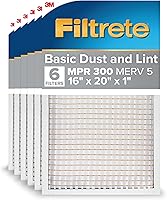
An HVAC filter cleans air as it passes through your heating and cooling system. A portable purifier cleans air in one room at a time.
They serve different needs.
Whole home filtration can help with dust that spreads through ductwork. It also runs only when the HVAC fan runs.
A portable unit can run continuously in a bedroom. It also places filtration close to the person who sleeps there.
Our air purifier vs air filter guide breaks down the differences. It also explains when each option makes more sense.
Some homes use both. The HVAC filter handles whole home airflow, while a portable unit targets a bedroom or office.
Flow resistance matters in HVAC systems. A portable unit avoids that issue because it has its own fan.
Rule: choose portable filtration when one room needs cleaner air than the rest.
Is a replacement filter part of the decision?
Filters are not a one time cost. A purifier stops helping when the filter is loaded or overdue.
Replacement timing depends on use, room conditions and source strength.
Levoit says to replace filters every 6 to 8 months. It also says to use official Levoit filters for best performance and longest lifespan.
Coway uses a filter indicator based on how much air the unit has processed. It also calls for cleaning the pre-filter for maximum efficiency.
TruSens gives longer replacement timing for its filter. It says to replace the main filter every 12 to 15 months and the carbon filter every 3 to 4 months, depending on usage.
That TruSens item is a replacement filter, not a complete purifier. It fits TruSens Large Air Purifiers and has True HEPA, activated carbon and a mesh prefilter.
TruSens says the filter captures 99% of airborne allergens and viruses, including H1N1. It also says 360 degree filtration draws air from all directions.
Rule: budget for replacement filters before you buy the purifier.
What filter media should you look for?
HEPA media captures fine particles. Carbon media helps with many odors and gases.
A pre-filter catches larger hair and dust before air reaches the main filter. That can protect the main media and extend its useful life.
Some filters combine all three layers in one cartridge. Others separate them so you can replace the carbon media more often.
Check whether the filter is washable. A washable pre-filter is different from a washable HEPA filter.
Rule: match the media to your main problem, particles, odors or both.
Do you need an air purifier and a dehumidifier?
Humidity and particles are different problems. A dehumidifier removes moisture, while a purifier captures particles.
One does not do the job of the other.
High humidity can support dust mites and mold growth. Lower humidity can help, but it does not capture pet dander or pollen already in the air.
A purifier can remove particles, but it does not lower relative humidity. It also does not fix a leak, condensation or poor ventilation.
Some combo units try to handle both tasks. Check whether each function has its own filter, tank and maintenance routine.
Our Best Air Purifier Dehumidifier Combo guide compares models that cover both needs. It also helps you decide if a combo fits your room.
If moisture is the main issue, read Are Air Purifier and Dehumidifier the Same?. It explains the split in plain terms.
Rule: buy a dehumidifier for moisture and a purifier for particles, or a combo only when you need both.
Combo units and trade-offs
A combo can save floor space. It can also mean a larger unit with two maintenance tasks.
Each function may run at a different speed. That can make the unit louder than a purifier alone.
Filters and tanks need separate care. A combo does not remove the need to empty a water tank or replace a filter.
Rule: choose a combo when both humidity and particles are real problems in the same room.
What features are worth paying for?
Features should solve a problem you actually have. Auto Mode, timers and quiet sleep settings matter only if you will use them.
Extra features can still add cost and complexity.
Coway includes Auto Mode, Eco Mode, a timer and a filter indicator. Its air quality indicator shows indoor air quality with colored LEDs.
Levoit includes a timer for 2, 4, 6 or 8 hours. It also has a check filter indicator and touch controls.
Levoit says the Core 300-P does not include Auto Mode. It requires manual fan speed control, while the Core 300S-P has smart connectivity and Auto Mode.
TruSens uses a change indicator light on the purifier. That helps you spot replacement timing without tracking dates by hand.
If you want higher grade HEPA options, see our best h13 hepa air purifier guide. It compares models built around that filter class.
Rule: pay for features tied to your room, sleep habits or maintenance routine.
How noisy will an air purifier be?
Noise decides whether you will keep the unit on. A purifier that is too loud on high may get turned down or off.
That lowers how much air it cleans.
Levoit lists a noise level of 24 dB in Sleep Mode. It also calls that level near silent.
Larger rooms often need higher fan speeds. That can make a large room purifier louder than a small bedroom unit.
Place the purge unit where the airflow reaches you without blowing directly at your face. A slight angle can help air mix through the room.
Carpet, bedding and furniture can affect how noise travels. Hard floors can carry more sound.
Rule: size the unit so it can run on a speed you will tolerate all night.
How do you set up and care for a purifier?
Setup is simple, but placement matters. Keep vents clear and let air enter from all sides.
Blocked intakes reduce airflow and can make the fan work harder.
Levoit says to keep the power cord away from pets to stop chewing and other cord damage. It also says not to use the unit if the cord or plug is broken.
Run the unit in the room where you spend the most time. A bedroom is often the best first choice.
Clean or replace filters on schedule. Levoit recommends replacement every 6 to 8 months.
Coway tells you to clean the pre-filter and watch the filter indicator.
Our how to clean air purifier guide walks through general care steps. It also explains what to check before you vacuum or wash parts.
If you prefer units made in the USA, see best air purifiers made in the usa. That guide compares options by origin and features.
Rule: follow the filter schedule, keep intakes clear and run the unit where you spend the most hours.
Do I need an air purifier? Your final checklist
You likely need an air purifier when pets, allergens, smoke or dust keep returning in a room you use often. You likely do not need one when sources are low and ventilation already keeps air fresh.
That simple split can save you money.
Check each room with these questions. Do pets sleep there?
Do you notice dust soon after cleaning? Does smoke linger after cooking?
Do you keep windows closed for long hours?
Add up the hours you spend in that room. A bedroom, home office or nursery often beats a guest room.
Match size to the room, not to the whole house. Levoit targets smaller bedroom use with ratings for 222 sq ft and 1,073 sq ft.
Coway targets larger spaces up to 1,748 sq ft.
Plan for filter cost and upkeep. Levoit uses 6 to 8 month replacement timing.
TruSens uses 12 to 15 months for the main filter and 3 to 4 months for carbon media.
Pick one room first and measure it. Then compare models that fit that space, your noise limit and your filter budget.
Final rule: buy a purifier for a specific room and a specific source, not as a general home upgrade.
Frequently asked questions
Do I need an air purifier for allergies?
An air purifier may help if pollen, dust or pet dander is a steady indoor source. It works best in the room where you sleep or spend long hours.
Ventilation and regular cleaning still matter because they remove sources before filtration.
Do air purifiers help with odors?
Some purifiers use carbon media to reduce odors, while HEPA media mainly captures particles. Cooking smoke, pet odor and tobacco smoke can load filters fast.
Source control, such as running a range hood or opening a window, still helps.
How do I choose the right size?
Match the clean air rating and room area to the space where the unit will run. Smaller rooms need less airflow and are usually quieter on high.
Larger rooms may need a bigger unit or two smaller units placed where sources are strongest.