Does Central Heat Dehumidify?
On this page (5 sections)
Yes, central heating systems do dehumidify the air, but often as a byproduct of the heating process, not their primary function.
When your furnace warms cold, moist air, it lowers the air’s relative humidity, making your home feel drier. For details, see our guide to mini split heat pump dehumidification.
- Central heat reduces relative humidity by warming the air, but it doesn’t remove moisture from the home.
- This drier air can lead to comfort issues and affect your health or your home’s structure.
- Excess humidity in cooler weather often points to other moisture sources or ventilation needs.
- Balancing humidity with a humidifier, proper ventilation, or sealing leaks is very important.
- A simple hygrometer helps you monitor your indoor humidity levels accurately and effectively.
Does Central Heat Dehumidify?
Central heating does indeed make your air feel drier. We found that furnaces work by heating the existing air in your home. This process doesn’t remove water vapor from the air itself. Instead, it changes how that moisture feels to you.
Think of it like this: warmer air can hold more moisture. So, when cold, moist air gets heated, its capacity to hold water increases. This makes the existing amount of water vapor a smaller percentage of what the air can hold, lowering the relative humidity. Your home feels less muggy, but the total amount of moisture hasn’t truly changed (Mayo Clinic).
Understanding Relative Humidity
What exactly is relative humidity? It’s simply the amount of moisture currently in the air, compared to the maximum amount it could hold at that specific temperature. We often talk about it in percentages.
For example, 50% relative humidity means the air holds half the moisture it possibly could. As air gets warmer, its “moisture bucket” gets bigger. If you don’t add more water, the relative humidity percentage drops, even if the total water stays the same.
How Heating Affects Air Moisture
Imagine a cold winter day. The air outside is chilly and might feel damp. When this air comes into your house and gets heated by your furnace, it expands. It can now hold much more water vapor.
Since no new moisture is added by the furnace, the existing water vapor becomes spread out. This lowers the relative humidity significantly. You’ll notice your skin feeling tighter or your throat feeling dry.
The Science Behind Drier Air
Air always contains some water vapor. When your central heating system kicks in, it’s essentially warming this air up. Warmer air has a greater capacity to hold moisture. So, if the actual amount of water vapor stays the same, but the air’s capacity grows, the relative humidity percentage goes down.
This is a fundamental principle of thermodynamics. Research confirms that heating air without adding moisture will reduce its relative humidity (NIH). Your furnace doesn’t act as a sponge; it simply makes the air “thirstier.”
Why Too Much Dryness Can Be a Problem
While a little dehumidifying effect from heat can feel nice, too much dryness isn’t good. When the relative humidity drops too low, it can cause various issues for both your health and your home. You might start to notice these effects pretty quickly.
Many experts recommend keeping indoor humidity levels between 30% and 50% for optimal comfort and health. Going outside this range for too long can create problems for you.
Impact on Your Health
Very dry air can irritate your mucous membranes. You might experience a scratchy throat, dry nose, or even nosebleeds. Your skin can become itchy and flaky, and your lips might crack. It’s not a pleasant feeling.
Furthermore, we found that dry indoor air can worsen symptoms for people with respiratory conditions, like asthma or allergies. It makes your respiratory system more vulnerable to airborne particles and infections (CDC).
Effects on Your Home and Belongings
Your home suffers too. Dry air can pull moisture from wooden furniture, floors, and structural elements. You might see cracks appear in wooden items or gaps between floorboards. This can be quite costly to repair.
Musical instruments, artwork, and books are also sensitive to low humidity. They can warp, crack, or degrade over time in excessively dry conditions. This is why many museums control humidity carefully.
When Central Heat Doesn’t Solve Humidity Problems
Sometimes, even with central heat running, you might still feel too much humidity. This is a sign that the problem isn’t just about relative humidity changing with temperature. It means there are other sources of moisture in your home.
Your central heating system can make the air feel drier, but it doesn’t remove the actual water content. If you have persistent dampness, you need to look beyond your thermostat settings. Let’s find out why.
Common Sources of Indoor Humidity
Where does this extra moisture come from? It’s often generated by everyday activities. Simple things you do every day can add gallons of water vapor into your home’s air.
We found that poor ventilation is a big culprit. If moist air has no way to escape, it will just linger and build up. This creates that uncomfortable, sticky feeling you want to avoid.
Cooking and Bathing
Think about boiling a pot of pasta or taking a hot shower. Both activities release a lot of steam and water vapor into the air. Without proper ventilation, this moisture quickly spreads throughout your home.
Always use exhaust fans when cooking or showering. It’s a simple step, but it makes a huge difference in managing daily moisture production. Keep those fans running for a while even after you finish.
Basement and Crawl Space Issues
These areas are notorious for holding moisture. Leaks, poor drainage, or even just general dampness can cause humidity to rise. That moisture then travels upwards into your living spaces.
We found that proper sealing and insulation are essential here. You might also need a dedicated dehumidifier for these specific areas if they remain persistently damp. It’s a proactive step to take.
Practical Solutions for Humidity Control
Now that you understand how central heat affects humidity, what can you do to keep your home comfortable? Managing indoor humidity is about balancing moisture levels effectively. You have several tools at your disposal.
The goal is to find that sweet spot, usually between 30-50% relative humidity. This range helps keep you healthy and protects your home. It creates a much more pleasant living environment for everyone.
Monitoring Your Home’s Humidity
The first step is knowing what your humidity levels actually are. A small, inexpensive device called a hygrometer can tell you this. Place it in different rooms to get an accurate picture.
This simple tool empowers you to make informed decisions. You wouldn’t adjust your thermostat without knowing the temperature, right? The same applies to humidity levels inside your home.
Adding Moisture Back: Humidifiers
If your central heat makes the air too dry, a humidifier can help. These devices add water vapor back into the air, raising the relative humidity. This can soothe dry skin and irritated airways.
You can choose from whole-home humidifiers integrated into your HVAC system or portable units for specific rooms. Just remember to clean them regularly to prevent mold growth and maintain air quality.
Removing Excess Moisture: Dehumidifiers
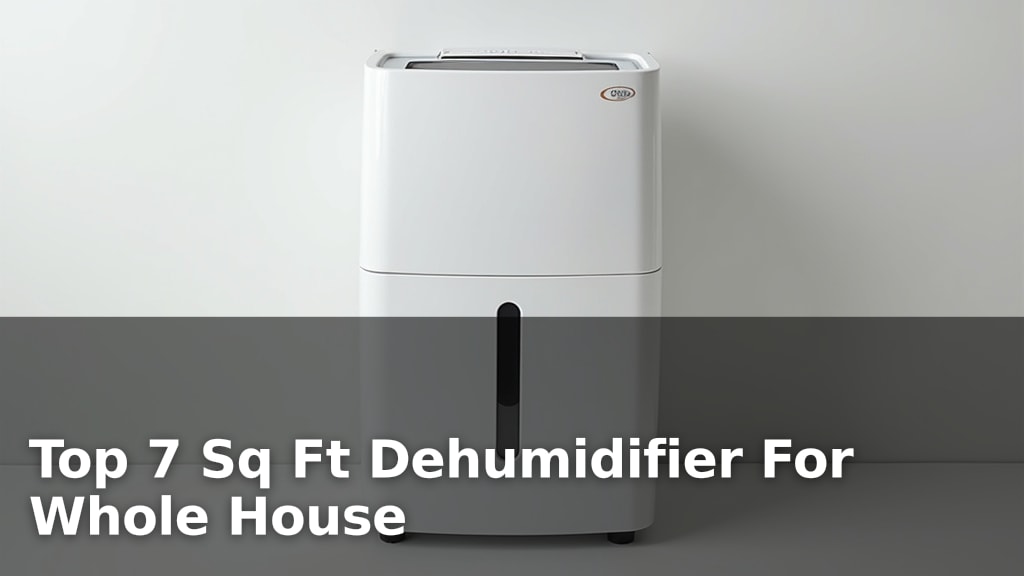
If you have too much humidity, even when the heat is on, a dehumidifier is your best friend. Unlike your furnace, a dehumidifier actively pulls moisture from the air, collecting it in a reservoir; learn about dehumidifier heat output. This reduces the absolute humidity.
This is especially useful in damp basements, bathrooms, or during cooler, rainy seasons. A dehumidifier also gives off heat while it runs; learn about its heat output. They help prevent mold growth, musty odors, and protect your home’s structure. Many experts recommend their use.
Whole-Home vs. Portable Options
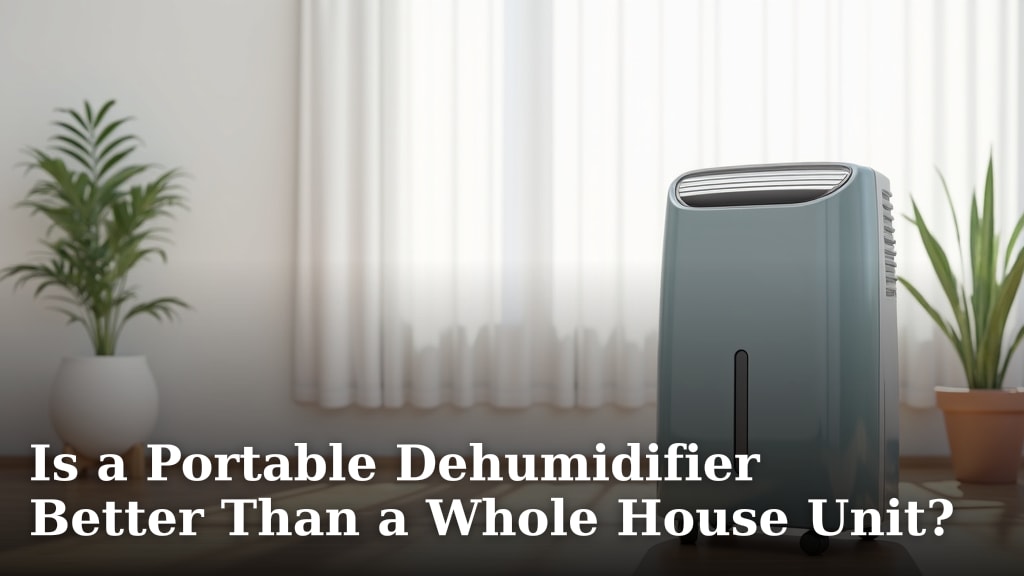
Choosing between a whole-home dehumidifier and a portable one depends on your needs. A whole-home system integrates with your HVAC, providing consistent humidity control throughout the house. It’s set-and-forget.
Portable units are great for specific problem areas. They are more affordable upfront and can be moved wherever they are needed most. Each type has its own benefits depending on your home’s layout and your budget.
| Feature | Humidifier | Dehumidifier |
|---|---|---|
| Primary Function | Adds moisture to air | Removes moisture from air |
| Ideal Humidity | When humidity is too low | When humidity is too high |
| Common Issues Addressed | Dry skin, static electricity | Mold, musty smells, stickiness |
| Energy Use | Varies, generally low to moderate | Varies, generally moderate to high |
| Maintenance | Regular cleaning, water refills | Emptying reservoir, filter cleaning |
Ventilation and Airflow Strategies
Good ventilation is key to preventing humidity build-up. Always use exhaust fans in kitchens and bathrooms. Consider opening windows when the outdoor humidity is lower than inside, but only for short periods.
Also, ensure your home isn’t too tightly sealed if you have a lot of indoor moisture sources. Sometimes, a little controlled airflow can make a big difference. We found this to be a simple, effective strategy.
Here’s a quick checklist to help manage your home’s humidity:
- Monitor humidity with a hygrometer.
- Use exhaust fans in kitchens and bathrooms.
- Seal any leaks in basements or crawl spaces.
- Vent clothes dryers directly outside.
- Consider a humidifier or dehumidifier as needed.
Conclusion
Central heating certainly affects your home’s humidity, making the air feel drier by lowering its relative humidity. It warms the air, allowing it to hold more moisture, which reduces the perceived dampness. However, it does not physically remove water from your home.
Understanding this difference is crucial for effective humidity control. If your home feels too dry, a humidifier can help. If you still have excessive moisture, despite running your heat, a dehumidifier or better ventilation is often the solution. By taking simple steps to monitor and adjust your indoor humidity, you can create a more comfortable, healthier, and protected living environment for you and your family.
What is the ideal indoor humidity level?
Many experts recommend keeping indoor relative humidity between 30% and 50%. This range is generally considered best for human comfort, health, and for protecting your home’s structure and belongings from damage due to extreme dryness or dampness.
Can dry air from central heat cause health problems?
Yes, excessively dry air can cause several health issues. It can lead to dry skin, chapped lips, irritated nasal passages, sore throats, and even nosebleeds. For individuals with respiratory conditions like asthma or allergies, dry air can worsen symptoms and make them more susceptible to infections.
Does turning up the heat more help reduce humidity further?
Turning up the heat will further reduce the relative humidity, making the air feel even drier. However, it will not remove the total amount of water vapor in your home. If you have a true moisture problem, like a leaky basement, simply increasing the heat won’t solve the root cause.
Why is my home humid even with the heat on?
If your home feels humid with the heat on, it suggests there are significant sources of moisture beyond what the heating system can counteract. Common culprits include cooking, showering without proper ventilation, leaky pipes, damp basements, or insufficient air exchange in the home.
Should I use a humidifier or a dehumidifier with central heat?
This depends on whether your home is too dry or too humid. If your central heat makes the air uncomfortably dry, a humidifier will add moisture. If your home still feels damp and sticky, indicating too much moisture, a dehumidifier will actively remove that excess water from the air. A hygrometer will help you determine what you need.