How to Choose a Gun Safe Dehumidifier and Light
Choose a gun safe dehumidifier and light by matching moisture control to safe size, power access and the shelves you need to see. A powered rod suits an outlet-ready safe, while rechargeable options suit cordless placement; a separate light lets you aim illumination where you need it.
On this page (7 sections)
- Should you choose an integrated gun safe dehumidifier and light?
- What should you measure before choosing a gun safe dehumidifier and light?
- Which gun safe dehumidifier fits your power access and routine?
- How do you position the dehumidifier and light?
- How should you care for a gun safe dehumidifier and light?
- What common mistakes should you avoid?
- Which gun safe dehumidifier and light setup should you choose?
A gun safe dehumidifier and light setup should solve two different problems: limit moisture around stored firearms and make the interior easy to see. Start with the safe’s size, power access and shelves you use, then decide whether one combined setup or separate devices fit better.
A dehumidifier won’t illuminate shelves, and a light won’t control moisture. Treat them as separate jobs even if you’re considering an integrated unit.
Before choosing, think about where moisture control can sit, how a cord might enter the safe, and whether the light reaches deep shelves without creating shadows.
Should you choose an integrated gun safe dehumidifier and light?
Choose an integrated unit if one installation point can handle both jobs and you want fewer devices. Choose separate equipment if the best spot for moisture control differs from the place that lights the shelves.
An integrated design can reduce clutter and may be simpler to arrange. Check that its light reaches the shelves you actually use, rather than only the doorway.
Consider the safe’s loaded interior, too: firearms, cases and racks can block a beam or restrict airflow.
Separate devices give you more freedom to position each one. You can aim a light toward a dark corner and place moisture control where it fits without obstructing storage.
This approach also lets you replace, move or recharge one device without changing the other.
A combined unit is a poor fit when its light cannot reach your shelves or when its moisture-control part has no suitable place to sit. Separate options are also less convenient if you want the fewest items to install and check.
If you’re still deciding whether moisture control belongs in your safe, read whether you can use a dehumidifier in a gun safe. For powered options, compare our best electric gun safe dehumidifiers.
What should you measure before choosing a gun safe dehumidifier and light?
Measure the usable interior, outlet route and placement space before choosing. These checks help you avoid a device that blocks storage, cannot reach power or leaves the shelves you use in shadow.
Measure the safe’s interior volume and note the space taken by shelves, racks and long firearms. For a larger safe, compare dehumidifiers for large gun safes.
A device’s capacity or recommended coverage should make sense for the space it needs to protect.
For a powered rod, measure from the planned position to the cord route and outlet.
Check for an existing opening that can pass a cord without trapping it in the door or interfering with safe operation. Don’t drill a new opening unless the safe manufacturer approves it.
A change to the safe can affect its structure or warranty.
For lighting, check how far the beam must travel and which shelves are hard to see. A light that looks bright near the door may not help at the back.
If your storage is stacked or divided into compartments, consider whether one light can cover all the areas you use.
Also think about how often the safe is opened and who uses it. A light that switches on with the door may be convenient, but the products here are moisture-control devices, not lighting products.
Choose a separate light based on how it is mounted, powered and operated.
Which gun safe dehumidifier fits your power access and routine?
A powered rod suits an outlet-ready safe where you want a continuous moisture-control device. Rechargeable silica gel options suit cordless placement if you can inspect and reactivate them as needed.
The Lockdown Golden Rod slightly warms the air inside an enclosure to support circulation. Its 24 in version has a 6 ft cord and is designed for up to 300 cubic feet, making it the clearest fit here for a larger safe with a workable power route.
The rod has attachable legs for placement and a quick plug attachment that can help route the cord through the back of a safe. It’s a strong choice when you want a device that stays in place and don’t want to remember a recharge cycle.
Skip it if you can’t provide safe cord access or if a cord would interfere with the door or storage.
The wisedry set contains two 500 g silica gel packs. They absorb moisture without needing a power cord while in use, then can be reactivated according to the included instructions.
These packs suit someone who wants to move moisture absorbers between areas or avoid routing a cord into a safe. They’re less suitable if you want a set-and-forget option, since you need to monitor them and reactivate them according to their instructions.
The maker advises weighing a pack before recharging and not recharging it below the stated threshold.
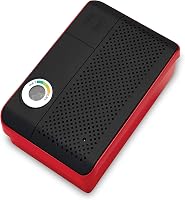
The Eva-Dry E-333 is a compact, cordless unit with up to 6 oz of absorption capacity. Its moisture indicator beads change color when it’s time to recharge, so you have a visual reminder.
Choose the E-333 for a smaller space where a compact device is easier to place than a rod. It can also suit you if you want a color indicator to prompt recharging.
Skip it if you need a powered device for a larger safe or prefer not to keep track of recharge intervals.
For other moisture-control formats, see the best dehumidifier for a gun safe. If you’re unsure whether your safe needs moisture control, start with whether you need a dehumidifier for a gun safe.
How do you position the dehumidifier and light?
Place moisture control where it fits without crowding stored equipment, and aim the light at the shelves and corners you use. Check both placements with the safe loaded as usual, because empty-safe layouts can hide obstructions and shadows.
For a powered rod, follow its setup instructions and keep the cord clear of hinges, door edges and moving parts. Don’t let stored items press against the rod.
Use its legs if they help keep it in a stable position with space around it.
Put rechargeable packs or a compact unit where you can see and remove them. A pack buried behind cases is easy to forget, and a hidden unit is harder to check when it needs recharging.
Avoid a spot where the unit could be knocked down when you reach for something.
Position the light after arranging your usual storage. Open the door and look at the shelves from the angle you use when retrieving an item.
Move the light if cases or racks cast shadows on a shelf or corner you need to inspect.
Keep the light’s power source and mounting method in mind. A battery light avoids adding another cord, while a corded light needs a safe route that doesn’t snag or pinch.
If lighting and moisture control need different positions, separate devices are the simpler choice.
How should you care for a gun safe dehumidifier and light?
Check rechargeable moisture absorbers on a schedule and follow their recharging instructions. For a powered rod, inspect placement and cord condition, and keep the light’s lens and power source clear and usable.
Silica gel has limited capacity. The wisedry packs need reactivation after absorbing moisture, and the included directions explain how to recharge them.
Don’t guess based on appearance alone if the instructions specify a weighing step or a threshold.
The E-333’s indicator beads provide a visual cue for recharging. Follow the unit’s instructions when it changes color, and return it to a spot where its indicator remains visible.
For a powered rod, confirm that the cord remains secure and does not rub against a sharp edge or get caught when the door closes. If you move shelves or change storage, check that the rod still has room and that the cord remains clear.
Dust can reduce visibility from a light. Wipe its lens as directed by its manufacturer and replace batteries as directed if it uses them.
Keep spare batteries outside the safe in a dry place, and check that the beam still reaches the area you need.
What common mistakes should you avoid?
The most common mistakes are choosing by device size alone, ignoring the cord route, forgetting recharge care and assuming one light will reach every shelf. Plan the full setup around the safe as you use it.
Don’t assume a compact device suits every safe. Compare the safe’s volume with the device’s intended coverage, and account for how the safe is divided by shelves and stored gear.
A small absorber may be convenient but still be the wrong choice for a larger enclosure.
Don’t route a cord through a door gap or let it cross a hinge. A pinched or snagged cord can interfere with the door and damage the cable.
Use an existing route that works with the safe’s design.
Don’t hide a rechargeable unit somewhere you’ll never inspect. Put it in an accessible location and make recharging part of your routine.
With silica gel packs, follow the manufacturer’s instructions rather than heating them whenever you happen to remember.
Don’t place a light based only on how the empty safe looks. Cases and racks change the shadows.
Check the loaded layout, then reposition the light if a shelf remains dark.
Finally, don’t expect moisture control to solve a leak or a damp room around the safe. A safe device is intended for the enclosed space.
Address moisture entering from the surrounding area as a separate problem.
Which gun safe dehumidifier and light setup should you choose?
Choose a powered rod for a safe with a practical outlet route and enough room for the device. Choose a rechargeable absorber if you need cordless placement and can maintain its recharge routine; choose separate lighting whenever visibility needs a different position.
The Lockdown Golden Rod is the clearest pick for an outlet-ready safe where continuous operation and coverage up to 300 cubic feet match your needs. The wisedry packs fit a cordless setup with two absorbers, while the Eva-Dry E-333 suits a smaller safe where a compact device and visible recharge cue matter.
For lighting, pick a separate light that reaches the shelves you use and can be installed without obstructing the door or storage. An integrated option only makes sense when its moisture-control placement and beam both work in your safe.
If your safe is large or divided into storage zones, consider whether one moisture-control device can cover the space. Use how many dehumidifiers you need to think through coverage, then measure the safe and plan both placements before choosing.