
How Many Amps Does a Dehumidifier Pull?
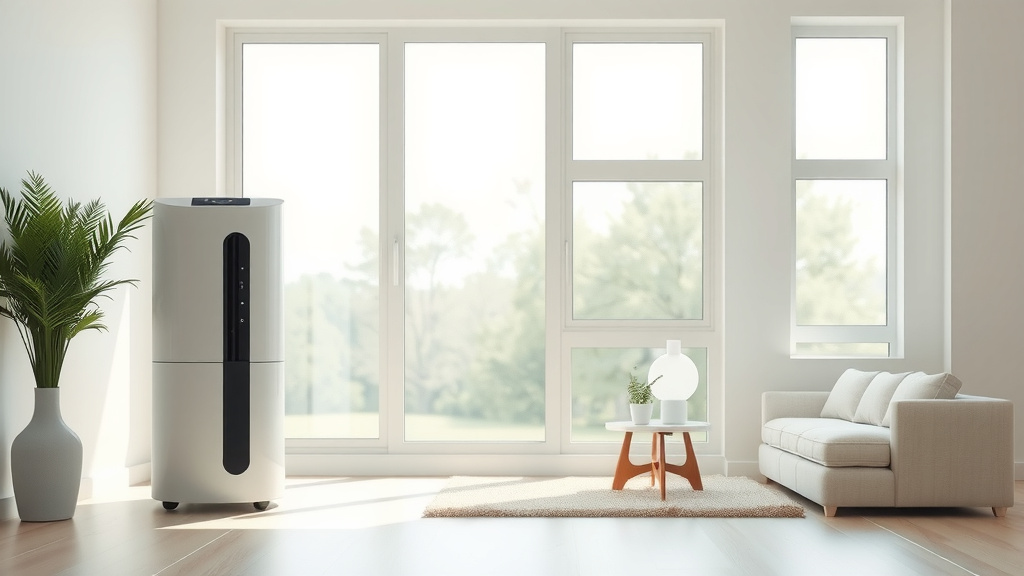
Most household dehumidifiers typically pull between 3 to 7 amps of electricity. The exact amperage can vary depending on the unit’s capacity, efficiency, and specific model.
A smaller, portable dehumidifier might draw around 3-5 amps, while a larger, whole-house system could use 6-8 amps or even a bit more.
Here’s a quick look at what you need to know about your dehumidifier’s amp draw:
- Most standard dehumidifiers use between 3 to 7 amps.
- The size and capacity of your unit directly impact its power usage.
- Higher amp draw usually means more electricity used and potentially higher bills.
- Understanding amps helps you avoid overloading electrical circuits.
- Checking the unit’s label or manual provides exact specifications.
How Many Amps Does a Dehumidifier Pull?
You’re probably curious about how much power your dehumidifier actually uses, right? It’s a smart question. Generally, most residential dehumidifiers pull between 3 to 7 amps. This range covers many common models you might find in homes.
The precise number really boils down to your specific model. Think of it like comparing different car engines; they all get you from A to B, but some require more fuel than others for the same journey.
Understanding Dehumidifier Amperage
When you plug in any appliance, it draws electricity. For a dehumidifier, the amount of electricity it pulls is often measured in amps. This measurement helps you understand its electrical demand and potential impact on your home’s circuits.
Imagine your home’s electrical system as a network of roads. Amps are like the volume of traffic flowing on those roads. You don’t want too much traffic on a single small road, or you’ll get a jam!
What Exactly is an Amp?
An amp, short for ampere, is a unit of electrical current. It measures the rate of electron flow through an electrical conductor. Knowing the amp rating of your dehumidifier is quite useful. It tells you how much “juice” the machine needs to run properly and safely.
A higher amp rating means the device requires more electrical current. This is why checking your circuit breaker capacity is always a good idea before plugging in powerful appliances.
Factors Affecting Amp Draw
Not all dehumidifiers are created equal, and their amp draw reflects that. Several elements play a part in determining how many amps your specific unit will pull. Understanding these factors can help you make a more informed decision.
It’s not just a single number; rather, it’s a dynamic range influenced by various design and operational choices. Let’s explore these key influences.
Capacity and Size
This is perhaps the biggest factor. A larger dehumidifier, designed to remove more moisture from a bigger space, naturally requires more power. Think about a small desktop fan versus a large box fan; the bigger one needs more electricity to operate.
A 70-pint dehumidifier will almost always pull more amps than a 30-pint model. This is because it has a more powerful compressor and fan motor to handle the larger workload.
Energy Efficiency Rating
Modern dehumidifiers often come with an Energy Star rating. These units are designed to operate more efficiently, meaning they can achieve the same moisture removal with less electricity. You’ll find these units generally have a lower amp draw for their given capacity.
We found that investing in an Energy Star certified unit can save you money on your electricity bill over time. It’s like getting better gas mileage from your car.
Environmental Conditions
The conditions in your home also play a role. If your basement is extremely humid, your dehumidifier will work harder and run longer. This continuous operation can lead to a higher average amp draw over time as the unit is constantly engaged in moisture removal.
On the other hand, in mildly damp conditions, the unit may cycle on and off more frequently. This reduces its overall energy consumption and amp draw for shorter periods.
Age and Maintenance
An older dehumidifier might not be as efficient as a newer model. Components can wear out, and the compressor might have to work harder, potentially drawing more amps to do the same job. Regular cleaning and maintenance are important here.
Keeping your unit’s filter clean and ensuring coils are dust-free allows it to operate optimally. A clogged filter can force the motor to work harder, increasing amp draw (Many experts say).
Typical Amp Draw by Dehumidifier Type
To give you a clearer picture, here’s a general guide to amp draw based on common dehumidifier sizes. Keep in mind these are averages, and your specific unit may vary slightly. This can help you anticipate your energy usage.
Remember, always check the product label for the most accurate information about your particular model. This table offers a helpful starting point.
| Dehumidifier Type | Typical Capacity (Pints/Day) | Approximate Amp Draw (Amps) |
|---|---|---|
| Small Portable Units | 20-30 Pints | 3.0 – 4.5 Amps |
| Medium-Sized Units | 40-50 Pints | 4.5 – 6.0 Amps |
| Large/Whole-House Units | 60-70+ Pints | 6.0 – 8.0 Amps |
Small Portable Dehumidifiers
These units are perfect for smaller rooms, bathrooms, or closets. They usually have a lower capacity, maybe 20-30 pints per day. Due to their smaller size and power, they typically pull around 3.0 to 4.5 amps.
They are quite convenient and often won’t put a big strain on your electrical circuits. These are great for tackling minor dampness issues.
Medium-Sized Units
If you’re dealing with a damp basement or a larger bedroom, a 40-50 pint dehumidifier might be your choice. These units are a bit more powerful than their smaller cousins. You can expect them to draw between 4.5 to 6.0 amps.
They strike a good balance between effective moisture removal and manageable energy consumption. These are popular for many homeowners.
Whole-House Dehumidifiers
For extensive dampness or if you’re integrating a unit with your HVAC system, you’d opt for a whole-house dehumidifier. These are the heavy lifters, often 60-70 pints or more. Their amp draw can be from 6.0 up to 8.0 amps, sometimes even higher for commercial-grade units.
They are designed for continuous, powerful operation to maintain comfort throughout your entire home. Always verify your electrical system can handle these larger loads.
Why Does Amp Draw Matter to You?
Knowing your dehumidifier’s amp draw isn’t just a technical detail; it has real-world implications for your home. It affects both your safety and your wallet. Let’s see why this information is genuinely important.
You want to keep your home safe and your bills reasonable, right? Understanding amps helps you achieve both these goals with your dehumidifier.
Electrical Circuit Safety
Every electrical circuit in your home has a limit. This limit is measured in amps. If you plug in too many appliances on one circuit, or one appliance that pulls too many amps, you risk overloading it. This could trip a circuit breaker or, worse, cause an electrical fire.
Your dehumidifier’s amp draw helps you ensure you plug it into a circuit that can handle its load. A dedicated circuit is often a good idea for larger appliances.
Impact on Your Electricity Bill
Appliances that pull more amps generally use more watts, which is what your electricity company charges you for. A dehumidifier running continuously at a higher amp draw will add more to your monthly electricity bill. It’s a direct connection.
Considering the amp draw when buying can help you choose a model that is both effective and cost-efficient to run. Think long-term savings.
How to Find Your Dehumidifier’s Amp Draw
So, how do you discover the exact amp draw for your particular unit? It’s usually quite simple, and you don’t need to be an electrician. Here’s a quick checklist to help you locate this important information.
Don’t guess when it comes to electricity; always check the manufacturer’s specifications. It’s the safest and most reliable way.
- Check the Manufacturer’s Label: Look on the back or side of your dehumidifier. There’s often a label with electrical specifications, including volts, watts, and amps.
- Consult the User Manual: Your dehumidifier’s manual will contain a detailed specification section. This is a reliable source for amp draw.
- Visit the Manufacturer’s Website: If you can’t find the label or manual, search for your model number on the manufacturer’s official website.
- Use an Energy Monitor: For a real-time reading, you can purchase a plug-in energy monitor. These devices measure actual electricity usage.
- Check Retailer Product Pages: Sometimes online product listings include electrical specifications in their descriptions.
Minimizing Your Dehumidifier’s Energy Consumption
You want to keep your home dry without breaking the bank, right? There are several practical steps you can take to make your dehumidifier run more efficiently. These tips focus on reducing unnecessary power use.
Small changes can add up to significant savings over time. It’s all about smart usage and good maintenance habits.
- Proper Sizing: Ensure your dehumidifier is sized correctly for your space. An undersized unit will run constantly, while an oversized one might cycle too often.
- Seal Air Leaks: Seal any cracks or gaps in windows and doors in the area you’re dehumidifying. This prevents humid outdoor air from entering.
- Set the Right Humidity Level: Most experts recommend setting your dehumidifier to 50-55% relative humidity. Going lower isn’t always necessary and uses more energy.
- Clean the Filter Regularly: A dirty filter restricts airflow, making the unit work harder. Clean or replace it monthly, especially during heavy use.
- Ensure Proper Airflow: Don’t block the dehumidifier’s vents. Allow several inches of space around the unit for optimal air circulation.
- Empty the Water Bucket Promptly: If the bucket fills up, many units will shut off. This can disrupt consistent humidity control.
Conclusion
Understanding “how many amps does a dehumidifier pull?” helps you operate your unit safely and cost-effectively. While most household units draw between 3 to 7 amps, this figure can shift based on its capacity, efficiency, and how well you maintain it. Always check your specific unit’s label or manual for precise details.
By being aware of your dehumidifier’s power needs, you can protect your electrical circuits, manage your energy bills, and ensure your home stays comfortably dry without unexpected surprises. Choose wisely, maintain regularly, and enjoy the benefits of balanced humidity.
How often should I run my dehumidifier?
You should run your dehumidifier as often as needed to maintain comfortable humidity levels, typically between 45% and 55% relative humidity. In very damp areas like basements, it might need to run continuously during humid seasons. In other spaces, it may only need to run periodically, cycling on and off to maintain the set humidity level.
Can I use an extension cord with my dehumidifier?
It’s generally not recommended to use an extension cord with a dehumidifier. These appliances draw a significant amount of power, and extension cords, especially thinner ones, can overheat and become a fire hazard. If you absolutely must use one, ensure it’s a heavy-duty, outdoor-rated cord with a gauge (thickness) appropriate for the dehumidifier’s amp draw and is as short as possible.
What size dehumidifier do I need for my space?
The correct size dehumidifier depends on the size of your space (in square feet) and how damp it is. For example, a 30-pint unit might suit a 500 sq ft moderately damp room, while a 70-pint unit is better for a 2,000 sq ft very wet basement. Many manufacturers provide sizing charts based on room size and humidity levels to help you choose.
Does an older dehumidifier use more electricity?
Yes, an older dehumidifier generally uses more electricity than a newer, Energy Star-rated model. Over time, components like the compressor can become less efficient, and wear and tear can reduce overall performance. This means the older unit has to work harder and run longer to achieve the same humidity reduction, resulting in higher energy consumption.
Is it normal for a dehumidifier to run constantly?
If your dehumidifier is brand new or you’re running it in a very damp environment for the first time, it might run constantly for the initial 24-48 hours to bring the humidity down to your target level. However, if it continues to run non-stop after that, it could indicate an undersized unit for the space, excessive humidity intrusion, a unit malfunction, or a low humidity setting.
