Is It Safe to Run a Dehumidifier in a Grow Tent?
On this page (3 sections)
Yes, it is generally safe to run a dehumidifier in a grow tent, and often quite necessary for controlling humidity. When used correctly, a dehumidifier helps maintain the ideal climate for your plants. It’s a smart tool for growers looking to prevent mold and mildew. A dehumidifier is a smart tool for growers looking to prevent mold and mildew, and this guide details the best options for mold control.
Proper humidity levels are key to healthy plant growth. Too much moisture can lead to plant diseases, while too little can stunt their development. A dehumidifier helps strike that perfect balance, ensuring a stable environment for your garden.
- Dehumidifiers are safe for grow tents.
- They are essential for managing humidity levels.
- Helps prevent mold and mildew growth.
- Contributes to overall plant health.
- Proper placement is important.
Let’s dive into the details of how to safely and effectively use a dehumidifier in your grow tent to get the best results for your plants.
Using a Dehumidifier in Your Grow Tent: Is It Safe?
You’re probably wondering if it’s safe to plug in a dehumidifier inside your grow tent. The short answer is a resounding yes! In fact, it’s often a smart move for any serious grower. Grow tents create a controlled environment. This control is great, but it can also trap moisture. A dehumidifier helps you manage that trapped moisture effectively.
Think of your grow tent like a mini-greenhouse. Plants release water vapor during transpiration. Without good airflow, this moisture builds up. High humidity levels can become a breeding ground for unwanted guests like mold and mildew. These can wreck your plants fast. A dehumidifier acts as your trusty assistant, keeping those humidity levels in check.
Why Humidity Control Matters for Your Plants
Your plants are a bit like us. They have their preferred comfort zones. For most plants, especially during certain growth stages, there’s a sweet spot for humidity. Too high, and you risk fungal diseases. Too low, and your plants might not thrive as well. They can struggle to absorb nutrients. We’re aiming for that Goldilocks zone – just right!
Different plants have different needs. But as a general rule, most prefer humidity levels between 40% and 60%. Your dehumidifier helps you hit this target. It ensures your plants aren’t stressed by overly damp or dry conditions. This stability leads to healthier growth and potentially better yields. It’s all about creating the perfect microclimate for your green buddies.
Potential Risks and How to Avoid Them
While generally safe, there are a few things to watch out for. The biggest concern is always electrical safety. Grow tents are enclosed spaces, often with water nearby. You need to be careful about how you set things up. Always use a GFCI outlet for any electrical devices in damp environments. This is a safety feature that can cut power if it detects a fault, preventing shocks.
Another common issue is over-drying the air. If your dehumidifier is too powerful or runs for too long, it can make the air too dry. This can stress your plants. It’s like giving them a desert instead of a comfortable room. You need to monitor your humidity levels constantly. A good hygrometer is your best friend here. It tells you exactly what’s going on inside the tent.
Placement is also key. Don’t just shove the dehumidifier in a corner. Think about how the air circulates. You want it to pull in moist air and push out drier air effectively. Avoid placing it too close to your plants. You don’t want to blast them with dry air directly. It’s better to let it work on the general tent atmosphere.
Choosing the Right Dehumidifier for Your Grow Tent
Not all dehumidifiers are created equal. For a grow tent, you need something that’s the right size for the space. A unit that’s too large will over-dry the air quickly. A unit that’s too small won’t be effective enough. Measure your tent’s volume to get a rough idea.
Consider the noise level too. Some dehumidifiers can be quite loud. If your grow space is near living areas, a quieter model might be preferable. Also, check the water collection method. Many have small tanks that need frequent emptying. Others can be set up with a hose for continuous drainage, which is super convenient if you’re not there to empty it regularly. This is a game-changer for longer grow cycles.
Capacity and Size Considerations
When we talk about capacity, we usually mean how many pints of water it can remove in 24 hours. For a small grow tent (e.g., 2×2 feet), a smaller unit might suffice. Think 10-20 pint capacity. For larger tents (4×4 feet or more), you might need a 30-50 pint unit. Always err on the side of caution and check manufacturer recommendations for tent sizes.
Features to Look For
An adjustable humidistat is a must-have. This allows you to set your desired humidity level. The unit will then automatically turn on and off as needed. This prevents over-drying and saves energy. An auto-shutoff feature is also important. This prevents overflow if the water tank gets full and you forget to empty it.
Setting Up Your Dehumidifier Safely and Effectively
So, you’ve got your dehumidifier. Now, how do you set it up for success in your grow tent? First, think about power. Ensure your extension cords and power strips are rated for the load. Avoid overloading circuits. As mentioned, GFCI protection is non-negotiable for safety.
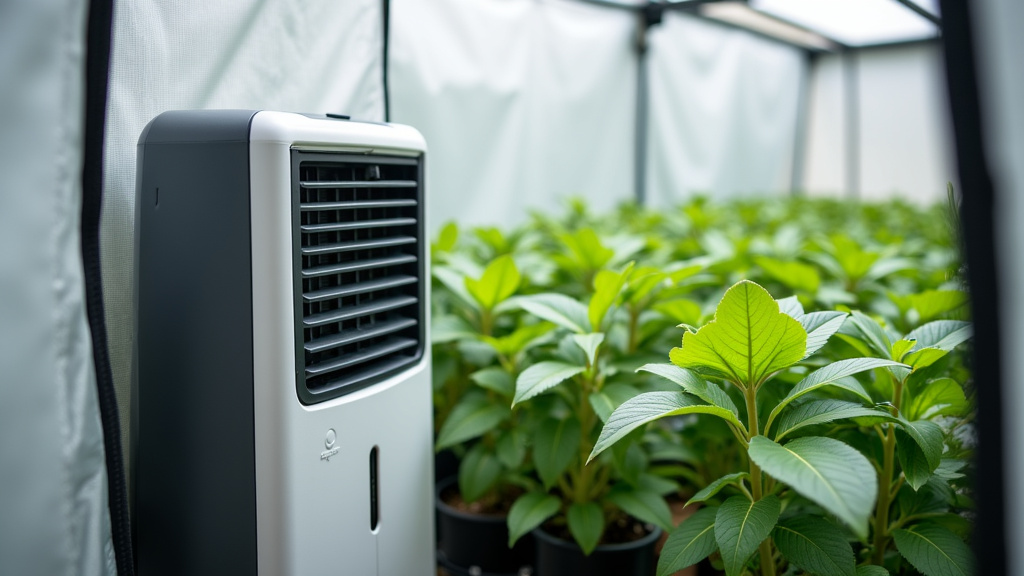
Next, consider placement within the tent. Many growers place the dehumidifier on the floor of the tent. Ensure it’s on a stable surface and not directly touching the tent fabric. You want good airflow around it. Some growers even suspend smaller units, but ensure it’s secure and water won’t drip onto your equipment or plants. Always follow the manufacturer’s instructions.
Drainage is another big one. If you have a continuous drain option, route the hose securely. Make sure it leads to a suitable drain or collection container. If you’re using the tank, keep an eye on it. Don’t let it get too full. A full tank will stop the unit from working, and your humidity can creep back up. A small water alarm could be a helpful addition if you’re worried.
Monitoring and Adjusting Your Environment
This is where your hygrometer becomes indispensable. Place it at plant canopy level. This gives you the most accurate reading for where your plants are actually experiencing the air. Check it regularly, especially when you first set up the dehumidifier.
You’ll likely need to tweak the settings. Start with a target humidity (say, 50%). Run the dehumidifier and observe the readings. If it drops too low, adjust the humidistat or run time. If it stays too high, you might need a more powerful unit or better air circulation within the tent. It’s an ongoing process of observation and adjustment.
Remember, your dehumidifier works alongside your ventilation system. They are a team. Your exhaust fan pulls out hot, humid air. Your dehumidifier removes moisture from the air that remains. Good airflow helps distribute the drier air produced by the dehumidifier evenly. This balanced approach is key to maintaining that stable, ideal environment.
Integrating with Your Ventilation System
Think of your dehumidifier and ventilation fan as dance partners. They need to work in harmony. If you have a powerful exhaust fan, it will pull a lot of air out. This can sometimes bring in more humid air from outside the tent. Your dehumidifier then has to work harder.
A common setup is to have the dehumidifier running constantly or on a humidistat. Your exhaust fan can also be on a timer or a thermostat. The goal is to maintain a consistent flow of fresh air without drastic humidity spikes. Some growers find that running the dehumidifier only when the exhaust fan is off can be effective, especially if they have a well-sealed tent. Experiment to see what works best for your specific setup.
It’s also worth noting that some dehumidifiers produce a bit of heat. This can be a minor benefit in cooler grow rooms. However, in a hot environment, it might add to your cooling challenges. Always monitor your tent’s temperature along with humidity.
Checklist for Safe Dehumidifier Use
- Use a GFCI outlet: Always protect against electrical shock.
- Choose the right size: Don’t overpower or underpower your tent.
- Monitor humidity: Use a hygrometer religiously.
- Check drainage: Ensure tanks are emptied or hoses are secure.
- Ensure airflow: Don’t block the unit’s intake or exhaust.
- Keep it clean: Dust buildup can reduce efficiency and be a fire hazard.
A Table of Common Grow Tent Humidity Levels
Understanding your target range is essential. Here’s a quick look at what different humidity levels mean for your plants:
| Humidity Level | Effect on Plants | Notes |
|---|---|---|
| Below 30% | Can cause wilting, slow growth, and nutrient uptake issues. Stressful. | Too dry for most plants. |
| 30% – 40% | Acceptable for late flowering/fruiting stages. | Watch for dryness. |
| 40% – 60% | Ideal range for most vegetative and flowering stages. | Promotes healthy growth and reduces mold risk. |
| 60% – 70% | Can be okay for seedlings/clones, but increases mold risk. | Requires excellent airflow. |
| Above 70% | High risk of mold, mildew, and root rot. | Unsuitable for most stages. |
Conclusion
You’ve learned that running a dehumidifier in your grow tent is not only safe but often essential for healthy plant growth. By carefully managing humidity, you create an environment that prevents mold and mildew and keeps your plants thriving. Remember to prioritize electrical safety with GFCI outlets and choose a dehumidifier appropriately sized for your tent.
Monitoring your environment with a hygrometer and adjusting settings is key to finding that perfect humidity sweet spot. Now, go ahead and set up your dehumidifier with confidence. Your plants will thank you for the stable, controlled climate you provide!
Frequently Asked Questions
Can a dehumidifier make my grow tent too dry?
Yes, it’s possible. If your dehumidifier is too powerful for the space, or if you set it too low, it can dry out the air excessively. This can stress your plants. Always use a hygrometer to monitor humidity levels and adjust the dehumidifier’s settings accordingly.
How do I prevent electrical hazards with a dehumidifier in my grow tent?
The most critical step is using a GFCI outlet for any electrical device in your grow tent. Ensure all cords are in good condition and not frayed. Avoid overloading circuits by plugging too many devices into one power strip. Proper wiring and outlets are your first line of defense.
What is the best place to put a dehumidifier inside a grow tent?
Place your dehumidifier on the floor of the tent, ensuring it sits on a stable, flat surface. Make sure there’s enough space around the unit for proper airflow – don’t let it get too close to tent walls or equipment. Avoid placing it directly under grow lights where heat could be an issue.
Do I need a dehumidifier if I have good ventilation?
Even with good ventilation, moisture can build up inside a sealed grow tent due to plant transpiration. Ventilation helps, but a dehumidifier specifically targets and removes excess moisture. It works best as part of a balanced environmental control system alongside your fans.
How often should I empty the water tank on my dehumidifier?
This depends on the size of the tank and how much moisture your plants are releasing. Check the tank regularly, perhaps daily at first, to gauge how quickly it fills. Many units have an auto-shutoff when full, but it’s best to empty it before it gets completely full to maintain consistent humidity control.