Midea Cube With a Pump: When Do You Need One?
A Midea Cube dehumidifier with a pump is useful when water must travel uphill or to a drain gravity cannot reach. The 20-pint Cube uses a drain hose for gravity drainage, so plan to place it above a nearby lower outlet.
On this page (11 sections)
- When do you need a pump for a Midea Cube dehumidifier?
- When is gravity drainage enough?
- Does the Midea Cube 20 Pint include a pump?
- How should you measure the drain route before buying?
- Which dehumidifier options suit different drainage needs?
- How do you choose among the Midea Cube 20, 35 and 50 Pint models?
- How do you set up a dehumidifier with a pump?
- How can you get reliable gravity drainage?
- What care does a pump or drain hose need?
- What common drainage mistakes should you avoid?
- How do you decide if a pump is worth it?
A Midea Cube dehumidifier with a pump matters when the water has to travel uphill or reach a drain that gravity cannot reach. The Midea Cube 20 Pint supports continuous drainage with a hose, but that setup depends on a downhill route.
The key buying question is where the unit will sit compared with the drain. Measure the route first, then decide whether a gravity hose works or you need a model whose instructions specify pump drainage.
When do you need a pump for a Midea Cube dehumidifier?
You need a pump when the discharge point is higher than the dehumidifier, or when the hose cannot keep a steady downhill slope to a lower drain. A pump moves collected water against gravity, which can make basement placement more flexible.
For example, a unit in a basement may need to discharge into a sink upstairs. A pump can also help if the nearest suitable drain is across a room and the route cannot slope down continuously.
A pump does not make every route possible. Check the manual for the model's maximum lift and hose length, and make sure the discharge end stays secure.
When is gravity drainage enough?
Gravity drainage works when the hose outlet is higher than the drain and the hose slopes down continuously along the route. The Midea Cube 20 Pint can be positioned above a sink or floor drain for continuous drainage.
Keep the hose straight enough for water to flow freely. A kink, sag, raised loop or loose connection can slow drainage or direct water onto the floor.
If you can position the unit above a nearby drain, a pump may add complexity without solving a real problem. See our Midea Cube 20-Pint Dehumidifier Review for more on that model, and compare options in our best Midea dehumidifiers for home guide.
Does the Midea Cube 20 Pint include a pump?
The Midea Cube 20 Pint has a drain hose for continuous drainage, with the unit placed above a lower outlet. Its described drainage setup is gravity-based, and its features do not specify a built-in pump.
That distinction matters if the only drain is uphill. Do not assume the Cube can push water to a higher sink or through a route that climbs over a doorway.
Check the instructions for the exact model before relying on a pump feature.
How should you measure the drain route before buying?
Measure the full route from the dehumidifier outlet to the final discharge point before choosing a pump or gravity setup. The height change and hose path determine which type of drainage will work.
- Choose the intended spot for the dehumidifier and identify a suitable drain.
- Measure the hose distance, including turns and the path around obstacles.
- Note every point where the hose would rise above the unit's outlet.
- If the route rises, check the model's maximum lift and allowed hose length.
- Confirm that the outlet can discharge safely without spraying or spilling.
For gravity drainage, the hose needs a continuous downhill path. If the route includes a rise or a long level section, gravity may not be reliable even when the drain is nearby.
For pump drainage, compare both lift and distance with the model's instructions. A pump rated for one route should not be assumed to handle a longer or higher one.
Which dehumidifier options suit different drainage needs?
Choose a dehumidifier by matching its drainage method and moisture capacity to the room. The three options below cover different room sizes and hose arrangements.
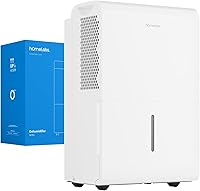
The hOmeLabs model is the option here to consider when you want a built-in pump compressor along with a hose outlet. For another compressor dehumidifier, read the AlorAir Sentinel HD55 review.
It is rated for spaces up to 7,000 square feet and removes up to 50 pints per day at 80°F and 60% relative humidity.
Its listed maximum is 120 pints at 95°F and 90% relative humidity.
It suits a large home area where the drainage route needs more flexibility than a downhill hose can provide. Skip it if your space is small and a lower drain is easy to reach, or if the model's pump limits do not fit your route.
The Midea Cube 20 Pint fits a smaller space where a lower drain is close enough for a downhill hose. Its 20-pint daily capacity is intended for areas up to 1,500 square feet, and its extendable design offers a larger bucket while operating.
It suits buyers who want Wi-Fi control, a washable filter and a longer interval between manual bucket emptying. Skip it if you need uphill drainage and the exact model's manual does not confirm pump support, or if your damp area calls for a higher-capacity unit.
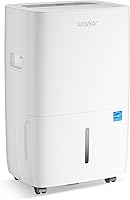
The Waykar 80 Pints model is aimed at larger spaces, with an 80-pint daily capacity for areas up to 5,000 square feet and an included drainage hose. Compare the best 70-pint dehumidifiers for more high-capacity options.
Its described drainage options are manual and continuous; pump support is not specified.
It suits a buyer who needs higher moisture capacity and can route a gravity hose to a lower drain. Skip it if your discharge point is uphill and you require a built-in pump.
How do you choose among the Midea Cube 20, 35 and 50 Pint models?
Choose among the Cube models by matching capacity to the room and verifying drainage for the exact model. For another brand comparison, see Hisense vs Insignia dehumidifiers.
A larger daily capacity does not solve an uphill hose route on its own.
The 20-pint model is a fit for spaces up to 1,500 square feet and offers a 3.2-gallon bucket. For details on a larger option, read the Midea Cube 50-Pint Dehumidifier Review, or compare the middle option in the Midea 35-Pint Cube Dehumidifier Review.
Check how each model drains before choosing based on capacity or storage shape. The Cube's lift-and-twist design can help with storage, but that feature does not mean water can be pumped uphill.
For other pump-equipped choices, browse our best dehumidifier with a pump guide. If one unit may not cover the areas you want to dry, read Do I Need More Than One Dehumidifier?.
How do you set up a dehumidifier with a pump?
Set up a pump-equipped dehumidifier on a level, stable surface near power and a safe discharge point. Follow the manual's hose connection steps and keep the hose within the stated lift and length limits.
Before starting, check that the hose is firmly connected at the unit and that its far end is held over the drain. Avoid routing it where a door can pinch it or where foot traffic can pull it loose.
Run the unit and check the hose end for water flow. Look around the connection and along the floor for leaks, then recheck the route after moving the unit or adjusting the hose.
How can you get reliable gravity drainage?
Place the dehumidifier higher than the drain and route the hose down without a high spot. The hose should not loop upward or bend sharply on its way to the outlet.
The Midea Cube 20 Pint can drain continuously when placed above a sink or floor drain. It can also be positioned near a window or door, but make sure the hose is supported and the discharge location is appropriate.
Keep the hose end from shifting out of place. A secure outlet reduces the chance that water will miss the drain while the unit runs.
What care does a pump or drain hose need?
Inspect the hose and its connections regularly, especially if the unit runs for long periods. Look for kinks, loose fittings, dirt or other blockage that could stop water from reaching the drain.
Keep the dehumidifier's filter clean according to the manual. The Midea Cube 20 Pint has a washable filter, and its instructions explain how to remove and clean it.
If you use the water bucket instead of a hose, empty and clean it as the manual directs. For broader care advice, see how to clean a dehumidifier filter.
What common drainage mistakes should you avoid?
The most common mistake is buying for capacity before checking the route to the drain. A high-capacity dehumidifier still needs a workable way to remove collected water.
Avoid these problems:
- Assuming every Cube has a pump: verify the exact model's drainage features and instructions.
- Routing a gravity hose uphill: gravity cannot lift water to a higher outlet.
- Ignoring pump limits: a built-in pump has a maximum lift and hose distance.
- Leaving a kink or sag: either can obstruct flow and leave water behind.
- Letting the hose end move: secure it over the drain so water cannot spill.
- Placing the unit where it cannot be checked: leave access to the hose, bucket and filter.
If water collects near the unit, stop it and inspect the hose path, outlet and connections. Do not leave a leaking dehumidifier running unattended.
How do you decide if a pump is worth it?
Choose a pump when the only practical drain is uphill or beyond a reliable downhill hose route. Choose gravity drainage when a nearby lower drain gives you a simple, secure path.
For the Midea Cube 20 Pint, plan on gravity drainage unless the exact model instructions confirm pump support. If you need uphill drainage, compare pump-equipped options and verify their lift and hose limits before you buy.
Frequently asked questions
Does the Midea Cube have a built-in pump?
The Midea Cube 20 Pint supports continuous gravity drainage through a hose, and its features do not specify a built-in pump. Plan for a lower drain unless the instructions for your exact model confirm pump support.
For an uphill route, choose a model with a specified pump and check its lift and hose limits before buying.
Can I drain a Midea Cube into a floor drain?
Yes, if the Cube can sit above the floor drain and the hose can run downhill without kinks. The 20-pint model supports continuous drainage with the unit placed above a floor drain.
Secure the hose and confirm that water reaches the drain instead of pooling near the unit.
Can a dehumidifier pump water upstairs?
A pump-equipped dehumidifier may move water upward, but the maximum lift and hose distance depend on the model. Check the manual for those limits before routing a hose upstairs.
A gravity drain cannot move water uphill, so it needs a continuous downhill path.
Is a dehumidifier pump better than gravity drainage?
A pump is useful when the discharge point sits higher than the dehumidifier or is out of reach of a downhill hose. Gravity drainage is simpler when a nearby sink or floor drain sits below the hose outlet.
Choose based on the route you can safely maintain, then follow the model's setup instructions.