What Is a Good Humidity Level for a Gun Safe?
On this page (6 sections)
The ideal humidity level for your gun safe is typically between 45% and 55% relative humidity. Keeping your safe within this range is essential for protecting your firearms from rust and corrosion. Too much moisture can lead to damaging oxidation, while too little can also cause issues over time.
Many gun owners worry about their firearms’ long-term condition. We found that controlling humidity is one of the most critical factors in preventing rust and preserving the value of your collection. Ensuring the right balance prevents both sweating on metal surfaces and potential damage to wood stocks.
- Ideal Range: 45%-55% relative humidity.
- Why it Matters: Prevents rust and corrosion on firearms.
- Too High: Leads to damaging oxidation and rust.
- Too Low: Can also cause wood to dry out or metal to become more susceptible.
- Prevention: Use dehumidifiers or desiccants regularly.
Below, we’ll walk you through exactly what you need to know about maintaining the perfect humidity level in your gun safe.
Keeping Your Firearms Safe: The Humidity Sweet Spot
Finding the right humidity level for your gun safe is more art than science, but it’s a vital one. You want to create an environment that protects your firearms. Too much moisture is your enemy. It can cause rust and corrosion to form on your precious metal parts. Conversely, too little humidity can also cause problems, especially with wooden components.
We’ve found that aiming for a specific range is key. This sweet spot ensures your guns remain in excellent condition for years to come. Let’s break down what this ideal range looks like and why it matters so much for your collection.
Understanding Relative Humidity and Your Gun Safe
Relative humidity (RH) is the amount of water vapor present in the air. It’s expressed as a percentage of the maximum amount the air could hold at a specific temperature. Think of it like a sponge. When the sponge is dry, it can absorb more water. When it’s saturated, it can’t hold any more.
For your gun safe, this means the air inside acts like that sponge. If the RH is high, the air is holding a lot of moisture. This moisture can then condense on the cool metal surfaces of your firearms. This condensation is the start of rust and degradation.
Why the 45%-55% RH Range?
Research and expert opinions consistently point to the 45% to 55% relative humidity range. This is the sweet spot where moisture is low enough to prevent condensation and rust. It’s also high enough to prevent materials like wood from drying out excessively.
Many gun owners successfully maintain their firearms within this zone. It’s a balance that keeps the metal parts safe from oxidation. It also prevents wooden stocks and grips from becoming brittle or cracking over time. Think of it as a comfortable climate for your guns.
The Dangers of High Humidity
High humidity levels are the most common threat to firearms stored in safes. When the RH creeps above 60%, you’re entering dangerous territory. The air holds too much moisture. This moisture will start to condense on your guns.
You might notice a dewy film or small water droplets forming on barrels, slides, or receivers. This is where rust begins its insidious work. It can start as tiny orange spots and quickly spread, damaging the finish and potentially weakening the metal.
How High Humidity Develops
Several factors can contribute to high humidity inside your safe. One major culprit is bringing damp items into the safe. If you put away a firearm that has even a trace of moisture on it, that moisture will evaporate inside the enclosed space.
Another common cause is temperature fluctuations. When the temperature outside your safe rises, the air inside can hold more moisture. As the temperature drops, that moisture needs to go somewhere. It often condenses on the coldest surfaces – your guns (National Weather Service).
Signs of Trouble from High Humidity
Keep a close eye out for the telltale signs. Orange or brown spots appearing on metal are a clear indicator. You might also feel a sticky residue on blued or parkerized finishes. Even a slight musty smell can be a warning sign that moisture is building up.
If you find moisture inside your safe, it’s a situation that needs immediate attention. Don’t delay in addressing it. The longer it sits, the more damage can occur.
The Problems with Low Humidity
While high humidity gets more attention, very low humidity also poses risks. If the RH drops too low, typically below 40%, you can encounter different issues. The primary concern here is the drying out of organic materials.
Your firearms might have wooden stocks, grips, or even leather components. In an extremely dry environment, these materials can lose moisture and begin to shrink. This can lead to cracking, warping, or separation.
Impact on Wood Stocks and Grips
Wood is a porous material. It naturally absorbs and releases moisture from the air. When the air is consistently too dry, the wood will release more moisture than it gains. This can cause it to contract.
Shrinkage can result in the wood becoming loose. It might even pull away from the metal parts of the firearm. Long-term, this can affect the accuracy and structural integrity of your weapon. Even finishes on the wood can become brittle and crack.
Effects on Metal and Other Materials
While less common, extremely low humidity can also affect metal over very long periods. Some metal treatments and finishes rely on a certain level of ambient moisture to remain stable. In a bone-dry environment, these can potentially become more brittle or susceptible to micro-cracking.
Leather holsters or cleaning cloths stored inside might also degrade faster. They can become stiff, brittle, and prone to breaking. This is why that middle ground is so important.
Methods for Controlling Gun Safe Humidity
Fortunately, managing humidity in your gun safe is achievable. You don’t need a complex climate control system. Simple, effective solutions exist to keep your safe within the ideal 45%-55% RH range. It often involves a combination of preventing moisture from entering and actively removing it.
Let’s look at the most popular and effective methods available to you. Each has its own pros and cons, so you can choose what best suits your needs and your safe.
Using Desiccants
Desiccants are materials that absorb moisture from the air. They are a very common and budget-friendly option for gun safes. You can find them in various forms, from small packets to larger reusable canisters. Explore how silica gel dehumidifiers work to absorb moisture.
Silica gel is a popular desiccant. It’s often found in small packets, like those you see in shoe boxes. For gun safes, larger rechargeable silica gel canisters are more practical. When they become saturated, you can often “recharge” them by baking them in an oven.
Types of Desiccants and How They Work
Desiccant packs are great for smaller safes or for placing inside rifle stocks. Larger canisters work well for medium to large gun safes. You place them inside the safe, and they passively draw moisture out of the air.
The key with desiccants is knowing when they are full and need recharging or replacing. Some silica gel products even change color when saturated, giving you a visual cue.
Maintenance and Effectiveness
Rechargeable desiccants typically need to be placed in a conventional oven at a low temperature (usually around 250°F or 120°C) for a few hours. Always follow the manufacturer’s instructions carefully to avoid damaging the desiccant material.
The effectiveness of desiccants depends on the size of your safe and the amount of moisture present. You may need multiple units for larger safes or in humid climates. We found that checking them weekly is a good habit.
Electronic Dehumidifiers
For larger safes or areas with consistently high humidity, electronic dehumidifiers are a more powerful solution. These plug into a power outlet and actively remove moisture from the air.
They are generally more effective than passive desiccants. They require a power source and can generate a small amount of heat. This heat can sometimes help stabilize the internal temperature of the safe, which is an added bonus.
How Electronic Dehumidifiers Function
These devices typically use a thermoelectric cooling system or a small compressor to cool the air. As the air cools, it releases its moisture, which is then collected in a reservoir or continuously drained. They often have a low profile, designed to fit along the bottom or back of a safe.
Many models are designed for continuous operation. They are low-power and very quiet. You simply plug them in and let them do their job.
Installation and Power Considerations
Installing an electronic dehumidifier is usually straightforward. You’ll need to ensure you have a power outlet accessible to your safe. Some safes have pre-drilled holes for power cords. If yours doesn’t, you may need to consider having one installed.
The heat output is usually minimal, but it’s something to be aware of, especially in a very small, tightly packed safe. However, most users find the benefits far outweigh this minor consideration.
Ventilation and Air Circulation
Good air circulation within the safe is vital, regardless of the humidity control method you use. Stagnant air can lead to moisture pockets forming, even if the overall RH is within range.
This is why it’s important not to pack your safe too tightly. Leave some space between firearms and other items for air to move freely.
The Role of a Safe Fan
Small, battery-operated fans designed for safes can be very helpful. These low-profile fans can be placed inside the safe to keep the air moving. They don’t remove moisture, but they help distribute the air evenly.
This prevents specific areas from becoming more humid than others. It ensures that your desiccant or dehumidifier can work more effectively across the entire volume of the safe. Many gun owners find these are a simple yet effective addition.
Avoiding Overcrowding
Think of your safe like a pantry. If it’s crammed full, air can’t get in or out easily. Allowing space for air to circulate is just as important as adding a moisture absorber.
When you add or remove firearms, take a moment to ensure nothing is wedged in too tightly. This simple check can go a long way in maintaining a consistent environment.
Monitoring Your Gun Safe’s Humidity
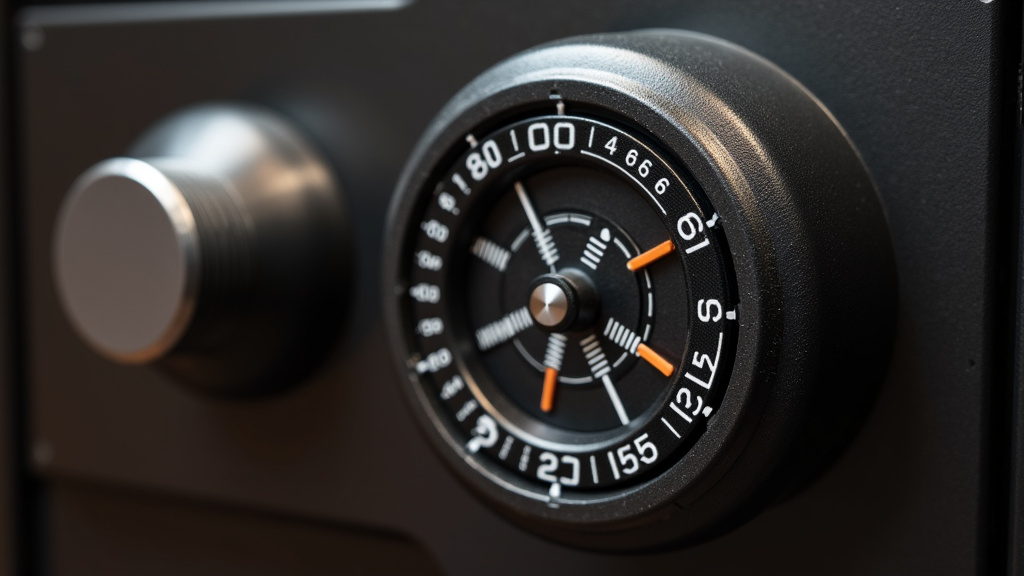
To effectively manage humidity, you need to know what it is. This is where a reliable hygrometer comes into play. A hygrometer is a device that measures humidity levels.
Having one inside your safe is like having a thermostat for your guns. It gives you real-time data so you can make adjustments as needed.
Choosing the Right Hygrometer
There are many types of hygrometers available. Digital hygrometers are generally considered the most accurate and easiest to read. They often display both temperature and humidity.
Look for a hygrometer specifically designed for safe or enclosed space use. Some models are very compact and designed to fit easily inside without taking up much room. We found that accuracy can vary between models, so it’s a good idea to test a couple if you’re unsure.
Placement and Calibration
Place your hygrometer in a central location within the safe. Avoid placing it directly next to a desiccant or dehumidifier, as this could give you a misleading reading. You want to measure the general ambient humidity.
Some hygrometers require calibration. Check the manufacturer’s instructions. Calibration ensures you’re getting the most accurate readings possible. This step is crucial for making informed decisions about your humidity control methods.
Regular Checks and Adjustments
Don’t just set it and forget it. We recommend checking your hygrometer readings at least once a week. This habit will help you understand how your safe’s environment changes.
If you notice the humidity creeping too high, it’s time to recharge your desiccant or check your electronic dehumidifier. If it’s too low, you might need to remove a desiccant or ensure your dehumidifier isn’t running too aggressively.
Here’s a quick checklist to keep you on track:
- Check hygrometer readings weekly.
- Recharge/replace desiccants as needed.
- Ensure electronic dehumidifiers are powered and functioning.
- Verify air vents aren’t blocked.
- Inspect firearms for any signs of rust or damage regularly.
- Adjust methods based on seasonal changes.
Conclusion
Keeping your firearms safe means keeping your gun safe’s humidity in check. Remember, the sweet spot is between 45% and 55% relative humidity. This range is your best defense against rust and degradation. Whether you use desiccants, electronic dehumidifiers, or ensure good airflow, consistent monitoring with a hygrometer is key. Stay vigilant with weekly checks and make adjustments as needed, especially as seasons change. Taking these steps ensures your collection stays in prime condition for years to come.
Frequently Asked Questions
How often should I check the humidity in my gun safe?
We recommend checking your hygrometer readings at least once a week. This habit helps you understand how your safe’s environment changes. It allows you to catch any issues early before they can damage your firearms.
Can I use a regular household dehumidifier in my gun safe?
No, a standard household dehumidifier is too large and powerful for a gun safe. You need specialized, low-profile dehumidifiers designed for enclosed spaces. These are designed to maintain a precise humidity level without over-drying.
What should I do if my gun safe humidity is too high?
If your humidity is too high, it’s time to act. Recharge or replace your desiccants, or check your electronic dehumidifier to ensure it’s working correctly. Also, confirm that you haven’t introduced any damp items into the safe recently.
What happens if my gun safe gets too dry?
If the humidity drops too low, typically below 40%, your firearms’ wooden components can suffer. Wood can dry out, shrink, and even crack or warp over time. You might also notice other materials like leather degrading faster.
Do I need a hygrometer if I use rechargeable silica gel canisters?
Yes, you absolutely should still use a hygrometer. Silica gel canisters absorb moisture, but a hygrometer tells you the actual humidity level inside the safe. This data helps you know when to recharge the canisters and ensures you’re staying within the ideal 45%-55% range.