Why Is My Basement Dehumidifier Freezing over in Cold Weather?
On this page (3 sections)
Your basement dehumidifier is freezing over in cold weather because the air temperature drops too low for it to work right. Dehumidifiers are made for warmer air. When it gets too cold, the coils get frosted, which stops it from removing moisture. This is a common issue in unheated basements during winter months.
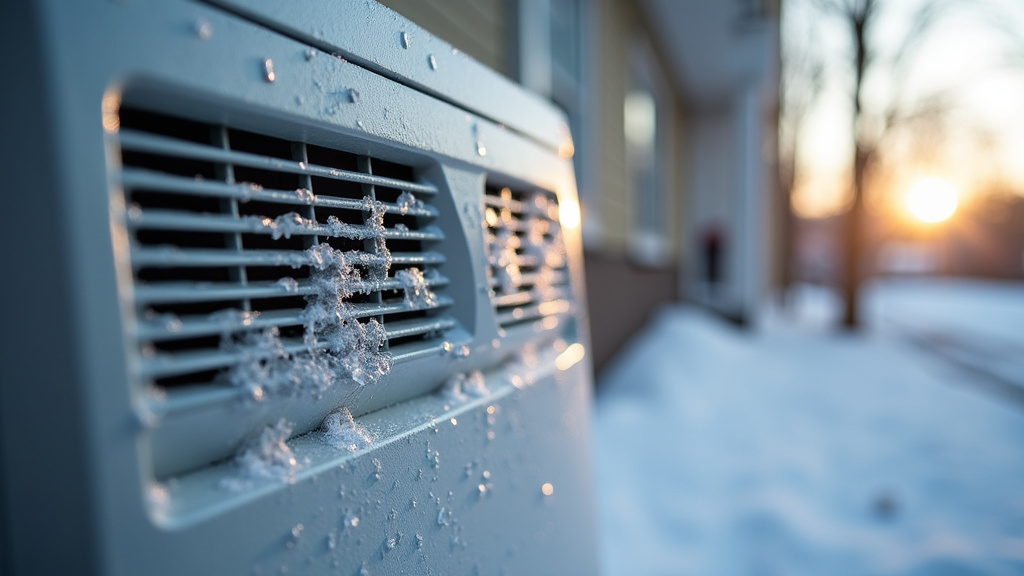
You might be wondering why your dehumidifier suddenly looks like a mini ice sculpture. It often happens when the air temperature dips below 65°F (18°C). At these lower temperatures, the moisture in the air freezes onto the cold evaporator coils. This creates a thick layer of ice, making your dehumidifier work less and less well. We found that this is a typical problem if your unit is not designed for low-temperature operation.
- Cold air causes coils to freeze.
- Dehumidifiers work best above 65°F.
- Ice stops the unit from removing moisture.
- You might need a low-temperature model.
Let’s walk through exactly why this happens and what you can do about it to keep your basement dry and your dehumidifier running smoothly.
Why Your Dehumidifier Ices Up When It’s Cold
Your dehumidifier turns into an ice block because its design isn’t suited for low temperatures. It’s a bit like trying to run your car with water in the gas tank in winter; it just won’t work right. When the air temperature in your basement dips, the science behind how a dehumidifier works actually conspires against it.
Dehumidifiers use a refrigerant system, similar to a refrigerator or air conditioner. They pull in moist air over cold coils. The moisture then condenses into liquid water, which drips into a collection bucket. This process relies on a temperature difference between the air and the coils. But what happens when the air itself is already very cold?
The Science Behind the Freeze
Imagine a cold soda can on a humid summer day. Condensation forms on the outside. This is exactly what your dehumidifier tries to do. It cools its coils to below the dew point of the air. The dew point is the temperature at which air becomes saturated with moisture, and condensation begins.
When the ambient air in your basement is warm, say 70°F, and the coils are cooled to 40°F, there’s a big enough temperature gap for efficient condensation. Water forms. But if your basement air is 50°F, and the coils still cool to 40°F, that small temperature difference changes everything. Now, the moisture is much more likely to freeze directly onto the coils, rather than condense into liquid.
Evaporator Coils and Frost Build-Up
The evaporator coils are the heart of this process. They are designed to get very cold. When the air is cold and moist, water vapor touches these super-chilled coils. Instead of staying liquid, it turns into ice. This frost builds up over time, like snow on a car windshield. We found that this frost acts as an insulator, making the coils less able to attract more moisture.
Think of trying to cool a room with an air conditioner that has a thick layer of ice on its fins. It can’t exchange heat efficiently. Your dehumidifier faces the same problem. The ice makes it work harder but achieve less. Eventually, the entire coil system can become encased in ice, stopping the unit from working at all.
Impact of Low Ambient Temperatures on Dehumidifier Efficiency
Operating your dehumidifier in cold conditions isn’t just about freezing; it also drastically reduces its effectiveness. Even if it doesn’t completely freeze, it won’t remove as much moisture as you need. This means your basement could still feel damp, even with the unit running constantly.
Standard dehumidifiers are typically rated to work best at temperatures above 65°F (18°C). Below this, their performance drops significantly. This is why you often see low temperature operation as a feature on some models. Without it, you’re fighting an uphill battle.
Why Standard Units Struggle Below 65°F
Standard dehumidifiers simply aren’t built for cold. Their compressors and refrigerant systems are optimized for warmer air. In colder temperatures, the refrigerant may not evaporate as effectively in the coils. This leads to lower pressure in the system and, ironically, even colder coils. This further accelerates ice formation.
We found that many manufacturers warn against using standard units in temperatures below 60°F (15°C) to avoid damage and ensure efficiency. Ignoring these warnings can lead to wasted electricity and potentially shorten the lifespan of your unit.
Understanding Defrost Cycles
If your dehumidifier has a defrost cycle, it’s designed to manage some level of frost. This feature works by temporarily warming the coils or pausing the cooling process. This allows any accumulated ice to melt, turning back into water. It’s an important feature for units used in cooler environments, but it has limits.
A typical defrost cycle will kick in when sensors detect ice build-up. The unit might stop compressing for a few minutes, or even reverse the refrigerant flow to warm the coils. Once the ice melts, it resumes its normal dehumidifying process. However, if the ambient temperature is consistently very low, the defrost cycle might be constantly engaged, making the unit run inefficiently.
When Defrost Isn’t Enough
While a defrost cycle helps, it can’t defy physics. If your basement is consistently below, say, 45°F (7°C), even a unit with a defrost cycle will struggle. It will spend too much time defrosting and not enough time actually removing moisture. You’ll hear it hum, but you won’t see much water in the bucket. Many experts say that for very cold basements, a different solution is often needed (Energy Star).
Identifying the Root Cause: Is Your Basement Too Cold?
The first step in fixing the problem is confirming the temperature. Do you have a thermometer in your basement? If not, it’s a cheap and easy way to check. You might be surprised at how cold it actually gets down there, especially in unheated areas during winter months. We often assume basements stay relatively warm, but this isn’t always true.
Consider the average temperature over a 24-hour period. Does it consistently drop below 60°F? If so, you’ve likely found your main culprit. This makes the next steps much clearer. Knowing the temperature helps you choose the right solution.
| Temperature Range | Dehumidifier Performance | Recommendations |
|---|---|---|
| Above 65°F (18°C) | Optimal performance. | Standard dehumidifier works well. |
| 50-65°F (10-18°C) | Reduced performance; some frost possible. | Unit with defrost cycle or low-temp model recommended. |
| Below 50°F (10°C) | Significant freezing; very low efficiency. | Dedicated low-temperature dehumidifier or external heat source essential. |
Practical Solutions to Prevent Freezing
So, what can you do to keep your dehumidifier from turning into an ice sculpture? You have a few options, ranging from simple adjustments to more significant investments. The right choice for you will depend on your basement’s specific conditions and your budget.
- Raise the ambient temperature: Add a space heater (safely!) to your basement to keep temperatures above 60-65°F. This is often the simplest fix.
- Insulate your basement: Better insulation can help retain heat and keep temperatures more stable, reducing the need for constant heating.
- Invest in a low-temperature dehumidifier: These units are specifically designed to operate effectively in colder conditions, often down to 38°F (3°C).
- Check for drafts: Seal any cracks or gaps in your basement walls or windows that might be letting in cold air.
- Consider a whole-home solution: If your humidity issues are widespread, a whole-home dehumidifier integrated with your HVAC system might be a better long-term solution.
- Regular maintenance: Keep your dehumidifier clean. Dust and dirt can hinder its efficiency and make it more prone to freezing.
Remember, the goal is to create an environment where your dehumidifier can do its job effectively, without turning into a freezer. Sometimes, a small change can make a big difference.
Conclusion
Dealing with a freezing dehumidifier in your cold basement can be frustrating, but it’s a very fixable problem. You now understand that standard units struggle in low temperatures, turning moisture into ice instead of water. By assessing your basement’s temperature and exploring solutions like adding heat, improving insulation, or investing in a low-temperature model, you can resolve the issue. Take action to prevent damage to your unit and keep your basement dry, healthy, and odor-free.
Frequently Asked Questions
Why does my dehumidifier have an auto-defrost feature but still freezes solid?
While an auto-defrost feature helps, it has limitations. If your basement’s air temperature is consistently very low, below 45-50°F (7-10°C), the unit may spend too much time defrosting. This means it can’t effectively remove humidity and still struggles with continuous ice build-up despite the feature.
Can a frozen dehumidifier be permanently damaged?
Yes, running a dehumidifier when it’s heavily frosted or frozen can cause damage. The motor has to work much harder against the ice, potentially leading to premature wear or burnout of components like the compressor. It also wastes energy and severely reduces its lifespan.
Is it better to just turn off my dehumidifier in the winter if my basement gets too cold?
If your basement consistently drops below 45°F (7°C), it’s often best to turn off and store your standard dehumidifier. Running it in very cold conditions is inefficient and risks damage. Consider alternative solutions for moisture control if winter humidity is still a concern in very cold spaces.
How can I tell if my dehumidifier is a low-temperature model?
Check the product specifications or owner’s manual for your dehumidifier. Look for phrases like “low temperature operation” or a specified operating range that includes temperatures down to 38°F (3°C). Energy Star-certified models often list their ideal operating conditions clearly.
Will increasing my basement’s temperature significantly raise my energy bill?
Adding a space heater to raise your basement’s temperature will likely increase your energy bill. However, you should compare this cost to the wasted electricity of a struggling, freezing dehumidifier, or the potential costs of mold and mildew damage. Proper insulation can help minimize heating costs.