Does DampRid Work as Well as a Dehumidifier?
DampRid and a dehumidifier both remove moisture, but DampRid is a passive absorber best for small, contained areas, while a dehumidifier actively pulls moisture from larger spaces.
No, DampRid does not work as well as a dehumidifier for managing significant humidity, as it offers a limited and temporary solution compared to the continuous, powerful operation of a machine.
TL;DR: Are you battling a damp feeling in your home? Here’s the quick scoop on DampRid versus a dehumidifier:
- DampRid absorbs moisture passively, ideal for closets or cabinets.
- A dehumidifier actively extracts humidity using a fan and coils, suitable for entire rooms.
- DampRid is a temporary fix; a dehumidifier provides continuous, powerful control.
- For widespread dampness or mold prevention, a dehumidifier is the clear winner.
- Consider DampRid for small, isolated issues, but choose a dehumidifier for serious humidity problems.
Does DampRid Work as Well as a Dehumidifier?
No, DampRid does not work as effectively as a dehumidifier for controlling humidity in most situations. A dehumidifier offers superior, active moisture removal for larger, more persistent dampness.
Understanding DampRid: A Closer Look
DampRid is a brand name for a product containing calcium chloride. This chemical is a desiccant, meaning it naturally attracts and absorbs water molecules from the air. Think of it like a sponge that never gets full.
You’ll often find DampRid in small containers or hanging bags. It’s designed to be placed in tight spaces where dampness can accumulate. The absorbed moisture then collects as liquid at the bottom of the container.
How Does a Dehumidifier Work Its Magic?
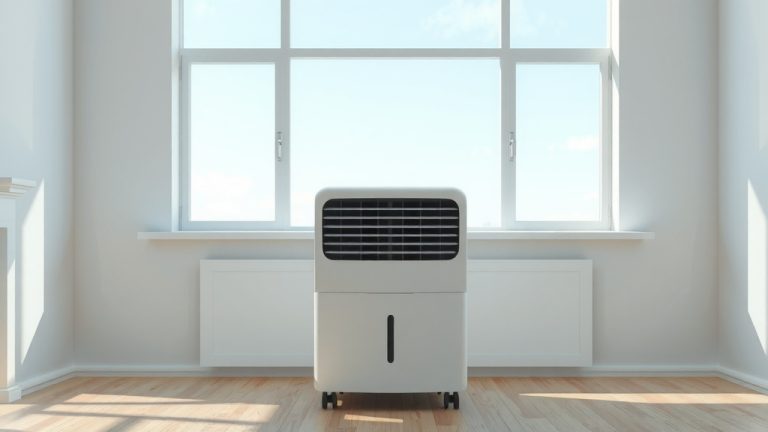
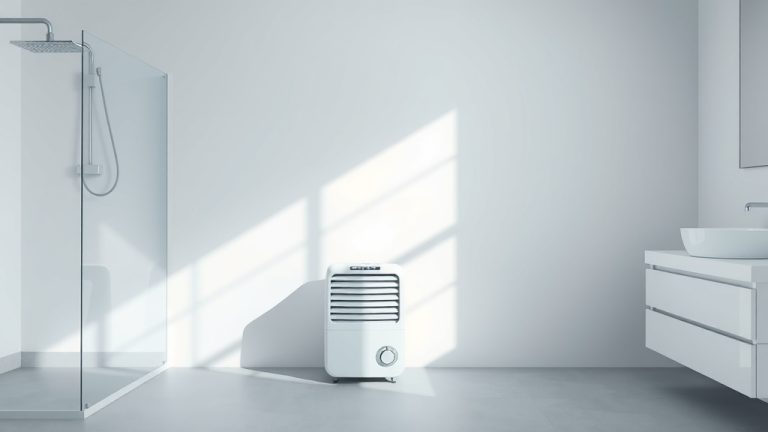
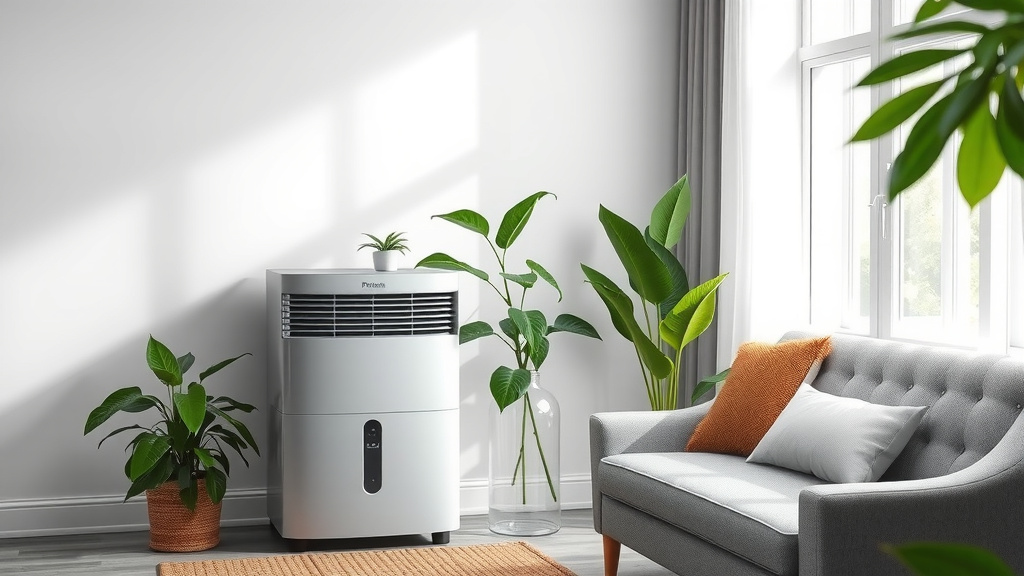
A dehumidifier is an electrical appliance that actively pulls air from a room. It then passes this air over cold coils, similar to an air conditioner. The moisture in the air condenses into water droplets, which are collected in a bucket.
After removing the moisture, the dry air is released back into your space. This process runs continuously, actively reducing humidity levels. You can often set a target humidity level, and the machine will work to maintain it.
Passive vs. Active Moisture Removal
Here’s the core difference: DampRid uses a passive approach. It simply sits there and absorbs moisture over time. Its effectiveness is limited by the amount of chemical it contains and the airflow around it.
Conversely, a dehumidifier uses an active process. It uses power to draw in air and force moisture out. This allows it to remove significantly more water, much faster, and over a much larger area.
When is DampRid Your Go-To Option?
DampRid shines in very specific scenarios. Do you have a cramped closet that always smells musty? Or perhaps a small storage bin where valuables feel damp?
It’s perfect for these small, enclosed spaces without much airflow. We found it useful for areas like dresser drawers, under sinks, or inside RVs when stored. It offers a quick, no-power solution for minor dampness.
When a Dehumidifier is Essential for Your Home
If you’re dealing with humidity in an entire room, basement, or even a whole floor, a dehumidifier is your best friend. Many experts say that keeping indoor humidity between 30% and 50% is ideal for health and comfort (CDC).
A dehumidifier can tackle persistent damp smells, condensation on windows, or even visible mold growth. It’s the right choice for long-term, widespread humidity control, ensuring a healthier living environment.
The Scale of Your Humidity Problem
Imagine trying to bail out a leaky boat with a teacup versus a bucket. DampRid is the teacup; a dehumidifier is the bucket. The right tool depends on the severity of your “leak.”
For a few drops of water, a teacup works. But for a rapidly filling boat, you need something more substantial. Your home’s humidity issues often demand that larger, more powerful solution.
The Science of Drying: How Each Method Differs
DampRid uses a chemical reaction where calcium chloride absorbs water vapor. This process slows down as the chemical becomes saturated. It eventually stops absorbing once all the calcium chloride has reacted.
A dehumidifier employs refrigeration technology. It continuously cools air to its dew point, causing water to condense. This allows for constant, efficient moisture removal as long as the unit is running and the bucket is emptied.
Impact on Health and Home Comfort
High humidity isn’t just uncomfortable; it can lead to problems. It creates a breeding ground for dust mites, mold, and mildew, which can trigger allergies and asthma symptoms (Mayo Clinic).
By effectively lowering humidity, a dehumidifier helps prevent these issues. It makes your home feel cooler, less sticky, and generally much healthier. DampRid, due to its limited scope, offers minimal health impact.
Cost Comparison: Initial Purchase vs. Running Expenses
A small DampRid container might cost you a few dollars. Replacing it regularly adds up, but it’s cheap per unit. There are no running costs beyond the purchase price.
A dehumidifier has a higher initial cost, typically from $150 to $300 or more. It also uses electricity to run. However, its effectiveness often outweighs these costs, especially when preventing expensive mold damage.
Long-Term Value and Efficiency
For consistent humidity control, the long-term value of a dehumidifier is clear. It prevents recurring dampness, protects your belongings, and improves air quality. DampRid offers only short-term, localized relief.
Think of it as investing in your home’s health. A dehumidifier tackles the root cause of widespread dampness. DampRid acts more like a small bandage for minor cuts.
Maintenance and Convenience: What to Expect
DampRid is very low maintenance. You just place it and occasionally pour out the collected water. When the crystals are gone, you replace the unit or refill it. It’s simple, requiring no power.
Dehumidifiers require a bit more attention. You’ll need to empty the water bucket regularly, or connect it to a drain for continuous operation. Filters also need cleaning or replacing. It’s a trade-off for its powerful performance.
Making the Right Choice: A Quick Comparison
To help you decide, we’ve put together a quick look at the two options. Which one suits your situation best?
| Feature | DampRid | Dehumidifier |
|---|---|---|
| Operation | Passive absorption | Active mechanical |
| Coverage Area | Small, enclosed spaces | Large rooms, basements |
| Power Required | None | Electricity |
| Effectiveness | Limited, temporary | Continuous, powerful |
| Cost | Low initial, ongoing refills | Higher initial, electricity usage |
| Maintenance | Empty liquid, replace unit/refill | Empty bucket, clean filter |
Your Humidity Control Checklist
Not sure which route to take? Use this quick checklist to guide your decision:
- Is the dampness in a very small, isolated spot (e.g., a closet)?
- Do you need a temporary fix, like for seasonal storage?
- Is power access an issue in the area you need to dry?
- Are you looking for the absolute cheapest solution upfront?
- Is the dampness minor, without signs of mold or musty smells?
If you answered “yes” to most of these, DampRid might be enough. Otherwise, a dehumidifier is likely your best bet for real, lasting relief.
What Experts Say About Humidity Management
Many experts in home climate control agree that for significant or widespread humidity, a mechanical dehumidifier is the standard. We found that most building science resources recommend active ventilation and dehumidification for basements and crawl spaces (NIH).
While desiccants like DampRid have their place, they are not considered a substitute for a properly sized dehumidifier when managing indoor air quality in living spaces. They simply cannot handle the volume of moisture.
Conclusion
When you’re battling dampness, choosing the right tool makes all the difference. DampRid is a simple, passive solution for small, contained moisture issues. It’s affordable and requires no electricity, making it great for places like a shoe closet or a cabinet.
However, for managing humidity across an entire room, basement, or living area, a dehumidifier is the superior choice. It offers powerful, continuous, and measurable moisture removal, which is essential for comfort and health. Consider the scale of your problem; if it’s more than a tiny spot, you’ll benefit greatly from the active power of a dehumidifier.
FAQs About Humidity Control
How often do I need to replace DampRid?
The lifespan of DampRid varies based on humidity levels and the product size. In very damp environments, you might need to replace it every few weeks. In less humid spots, it could last a few months. Keep an eye on the crystals; when they’re gone, it’s time for a replacement.
Can I use multiple DampRid containers instead of a dehumidifier?
While using multiple DampRid containers might seem like a good idea, it’s generally not an effective substitute for a dehumidifier in a larger room. You would need a very large number of units, and they still wouldn’t match the continuous, powerful moisture extraction of a machine. It becomes costly and less practical very quickly.
Is high humidity dangerous for my home?
Yes, persistently high humidity can be harmful to your home. It can lead to mold and mildew growth, which damages surfaces and can cause unpleasant odors. It also contributes to wood rot, peeling paint, and can attract pests. Protecting your home from excess moisture helps preserve its structure and value.
How do I know what size dehumidifier I need?
Dehumidifier size is measured by how many pints of water it can remove in 24 hours. The right size depends on the square footage of your space and how damp it is. For example, a 30-pint unit might be good for a small, slightly damp room, while a 50-pint or 70-pint unit is better for a very damp basement or larger area. Check the manufacturer’s guidelines for your specific needs.
Can a dehumidifier also help with bad smells?
Absolutely! Many musty odors in homes are caused by mold, mildew, and general dampness. By removing excess moisture, a dehumidifier helps eliminate the conditions these odor-causing organisms need to thrive. While it doesn’t directly remove smells, it tackles the root cause, leading to a fresher-smelling home.