Does a Dehumidifier Help with Nasal Congestion?
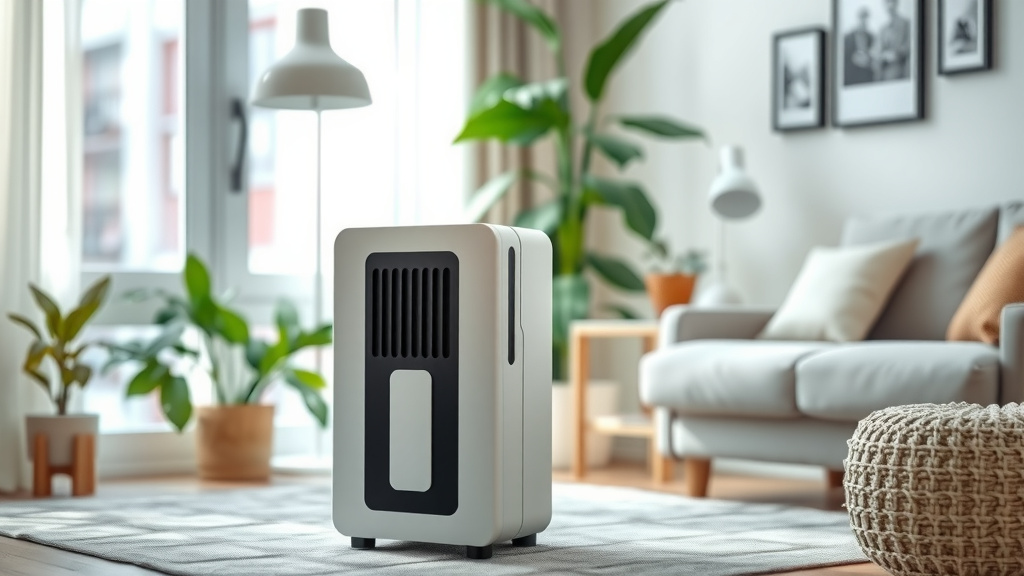
Yes, a dehumidifier can certainly help with nasal congestion, especially if your stuffy nose is due to high humidity levels in your home. By reducing excess moisture, it helps control common allergens like dust mites and mold, which often trigger congestion.
Many people find relief from their allergy symptoms and easier breathing when they maintain optimal indoor humidity with a dehumidifier. This can make a significant difference in your daily comfort.
- A dehumidifier lowers indoor humidity, which can ease nasal congestion.
- It helps by reducing mold and dust mites, common congestion triggers.
- Optimal humidity is between 30% and 50% for respiratory comfort.
- You might notice less stuffiness, fewer allergy symptoms, and better sleep.
- Consider a dehumidifier if you often wake up with a stuffy nose or experience dampness in your home.
Does a Dehumidifier Help with Nasal Congestion?
Yes, absolutely. A dehumidifier plays a crucial role in managing your indoor air quality, which directly impacts your nasal health. It can significantly alleviate nasal congestion if humidity is a contributing factor.
How Humidity Affects Your Nasal Passages
Imagine your nose as a finely tuned filter for the air you breathe. When the air is too humid, it creates an ideal breeding ground for microscopic irritants. These irritants can then trigger congestion and discomfort.
Excessive moisture can make it harder for your nasal passages to clear out allergens. You might feel a constant stuffiness, almost like a lingering cold. This feeling is often because your body reacts to things thriving in damp air.
The Link Between Mold, Dust Mites, and Congestion
Research consistently points to mold and dust mites as major culprits behind allergic congestion (CDC). These tiny pests absolutely adore humid environments. If your home has high moisture, they will flourish.
Dust mites, for example, thrive in relative humidity above 50%. Their waste products are potent allergens for many people. Mold spores, another common allergen, also grow rapidly in damp conditions, irritating your airways.
When you breathe in these irritants, your immune system can overreact. This leads to inflammation in your nasal passages, causing that familiar stuffy feeling. A dehumidifier directly tackles this root cause.
When is Air Too Humid?
You might notice signs like condensation on windows, a musty smell, or dampness in your basement. These are all clues that your indoor air is holding too much moisture. Often, these signs appear before you even feel congested.
For your health and home, air with relative humidity consistently above 50% is generally considered too humid. We found that many homes exceed this, especially in warmer or wetter climates, or during certain seasons.
How a Dehumidifier Cleans Your Air
A dehumidifier works by pulling moist air from your room, cooling it over coils to condense the water vapor, and then releasing drier air back into the space. Think of it like a sponge for the air.
This process directly lowers the relative humidity in your home. By doing so, it makes the environment much less hospitable for mold and dust mites. Less moisture means less growth of these common allergens.
As these irritants decrease, your exposure to them also drops. This can lead to a significant reduction in allergic reactions, including that bothersome nasal congestion. Your nose gets a well-deserved break.
Beyond Congestion: Other Dehumidifier Benefits
A dehumidifier offers more than just congestion relief. You’ll likely notice several other positive changes around your home and for your general comfort:
- Reduced musty odors, making your home smell fresher.
- Protection for your furniture, electronics, and wooden structures from moisture damage.
- Less stickiness in the air, making your home feel cooler and more comfortable.
- Potential energy savings as your air conditioner might run less to achieve comfort.
- A generally healthier indoor environment for everyone in the household.
Finding the Right Humidity Level for Health
So, what’s the magic number? Many health organizations, like the Mayo Clinic, suggest maintaining indoor relative humidity between 30% and 50%. This range is generally considered optimal for human comfort and health.
Too low, and you might experience dry skin or irritated sinuses. Too high, and you’re back to inviting mold and dust mites. The goal is to find that comfortable middle ground for your specific home and needs.
What is the Ideal Humidity Range?
Here’s a quick look at how different humidity levels can affect you and your home:
| Humidity Range | Impact on Health & Home |
|---|---|
| Below 30% | Can cause dry skin, irritated eyes, static electricity, and dry nasal passages. |
| 30% – 50% | Optimal range for comfort, reduced allergen growth, healthy environment. |
| Above 50% | Promotes mold, dust mites, musty odors, dampness, and increased congestion risk. |
Signs Your Home Needs a Dehumidifier
Are you wondering if a dehumidifier is right for your home? Look for these common indicators:
- You often wake up with a stuffy nose or feel congested without a cold.
- You notice a musty or damp smell, especially in certain rooms like the basement.
- There’s visible mold growth on walls, ceilings, or in bathrooms.
- You see condensation or fogging on your windows, mirrors, or cold pipes.
- Your allergies seem worse at home compared to other places.
- Clothing or towels take a very long time to dry indoors.
Choosing the Right Dehumidifier for Your Space
Selecting a dehumidifier isn’t a one-size-fits-all situation. You’ll want one that matches the size of your room or home. A unit too small won’t be effective, and one too large might waste energy.
Consider the room’s dampness level too. A very wet basement needs a more powerful unit than a slightly humid bedroom. Many manufacturers provide guides based on square footage and moisture levels.
Tips for Using Your Dehumidifier Effectively
Once you have your dehumidifier, a few simple steps can help you get the most out of it:
- Close windows and doors when it’s running to keep humidity out.
- Place it in the dampest areas, often basements, bathrooms, or laundry rooms.
- Keep it away from walls and furniture to ensure proper airflow.
- Clean the filter regularly to maintain efficiency and air quality.
- Set the humidistat to your desired level, typically between 40-50%.
When a Dehumidifier Might Not Be Enough
While dehumidifiers are incredibly helpful, they aren’t a magic cure for every type of nasal congestion. If your congestion is caused by a cold, flu, or a different medical condition, its effectiveness might be limited. Always consider the root cause of your symptoms.
Other Ways to Find Relief
If your stuffy nose persists, or if you suspect other causes, it’s wise to consider additional strategies. Saline nasal sprays can help clear passages, and air purifiers can tackle airborne particles. Consulting with a healthcare professional is always a good step for persistent symptoms (NIH).
Conclusion
If you’re struggling with persistent nasal congestion, especially if you notice signs of dampness or excess humidity in your home, a dehumidifier is a truly practical solution worth considering. By creating a drier, healthier indoor environment, you directly reduce common triggers like mold and dust mites. This can lead to clearer breathing, fewer allergy symptoms, and overall better comfort. Taking control of your home’s humidity means taking a significant step toward feeling better and enjoying your living space more fully. Your nose, and your health, will thank you for it.
How quickly can a dehumidifier relieve nasal congestion?
Many people report feeling relief within a few days to a week of consistently using a dehumidifier. The exact timeframe depends on how severe your home’s humidity problem is and how sensitive you are to allergens. You should notice a gradual improvement as mold and dust mite populations decrease.
Can a dehumidifier make my nasal congestion worse?
Generally, no. A dehumidifier aims to improve air quality. However, if the air becomes too dry (below 30% humidity), it might irritate your nasal passages, causing dryness or discomfort. This is why maintaining humidity between 30-50% is important for comfort.
Is a dehumidifier effective for all types of nasal congestion?
A dehumidifier is most effective for congestion caused by allergens that thrive in high humidity, like mold and dust mites. It won’t directly treat congestion from a viral infection (cold/flu) or structural issues, but by improving overall air quality, it can still help make you more comfortable.
Where should I place a dehumidifier for nasal congestion relief?
Place your dehumidifier in the room where you spend the most time, especially where you experience congestion, such as your bedroom. For whole-home relief, place it in the dampest area, like a basement or central living space, to treat the air before it circulates.
Are there any side effects of using a dehumidifier for breathing issues?
The primary “side effect” would be overly dry air if the humidity drops too low. This can lead to dry skin, chapped lips, or minor nasal irritation. Using a unit with a humidistat to maintain optimal humidity (30-50%) prevents this. Otherwise, regular use of a dehumidifier is considered safe and beneficial for breathing issues related to humidity.