Does a Dehumidifier Help with Night Sweats?
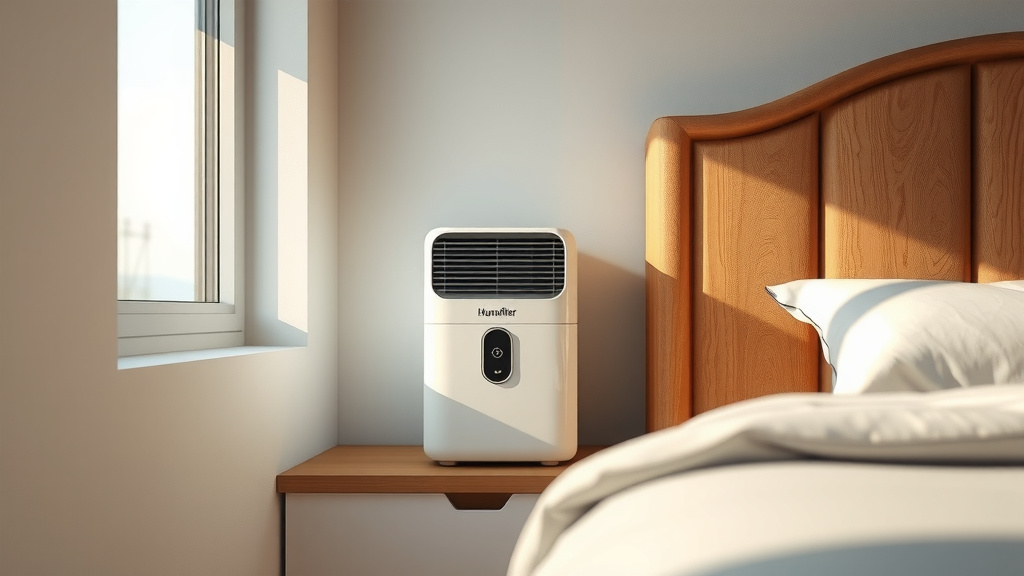
Yes, a dehumidifier can absolutely help with night sweats by significantly reducing the humidity in your sleeping environment, making your room feel cooler and much more comfortable. This improved atmosphere often lessens the frequency and intensity of night sweats for many individuals.
Lowering the indoor humidity allows your body’s natural cooling mechanisms, like sweating, to work more efficiently, preventing that clammy, uncomfortable feeling that often disrupts sleep.
- A dehumidifier reduces airborne moisture, making your bedroom feel considerably cooler without changing the thermostat.
- Less humidity means your sweat evaporates easily, which is key for your body to cool down naturally.
- It can help create a more comfortable sleep environment, potentially reducing discomfort that contributes to night sweats.
- While not a medical cure, a dehumidifier offers a practical environmental solution for those affected by sticky, humid nights.
Does a Dehumidifier Help with Night Sweats?
You’re probably wondering if that noisy box can truly make a difference for your uncomfortable nights. The straightforward answer is yes, it can be a game-changer for your sleep.
A dehumidifier works by extracting excess moisture from the air, creating a drier, cooler-feeling atmosphere. This process directly impacts how your body regulates its temperature while you sleep.
Understanding Night Sweats: More Than Just Being Hot
Night sweats are more than just getting a bit warm in bed. They involve excessive sweating during sleep, often to the point where your bedding or sleepwear becomes drenched. This can be truly disruptive, waking you up feeling clammy and chilled.
Many factors contribute to night sweats, from room temperature to underlying health conditions. We found that a common culprit is often simply a hot and humid bedroom (Mayo Clinic).
How Humidity Affects Your Sleep and Body
Think about stepping outside on a humid summer day; it feels much hotter than the actual temperature, right? The same principle applies inside your bedroom. High humidity creates a dense, heavy feeling in the air that can make you feel uncomfortably warm.
The “Sticky” Truth About High Humidity
When the air is saturated with moisture, your body’s primary cooling mechanism—sweating—becomes less effective. Sweat can’t evaporate as easily into humid air, leaving you feeling sticky, clammy, and unable to cool down. This lack of evaporation means your body keeps trying harder to cool itself, sometimes leading to those drenching night sweats.
We found that a drier environment allows your body to regulate its temperature much more efficiently. Your sweat evaporates quickly, taking heat with it and leaving you feeling refreshed instead of soaked.
The Dehumidifier’s Role in a Cooler Night
A dehumidifier acts like a sponge for your air, pulling out all that uncomfortable moisture. By reducing the relative humidity in your room, it transforms a stuffy, sticky space into a crisp, comfortable one. You’ll notice the difference almost immediately in how the air feels.
Creating Your Ideal Sleep Sanctuary
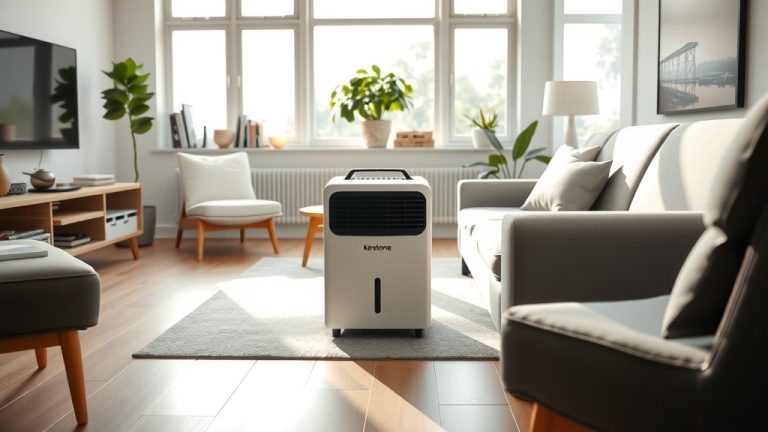
Imagine slipping into bed feeling cool and dry, even on a warm night. That’s the power of a dehumidifier. It helps create a true “sleep sanctuary” where your body can relax and cool down naturally, rather than fighting against a muggy environment.
This improved comfort can be a key step in reducing those unwelcome night sweats. Many experts say that optimizing your sleep environment is one of the first things to consider when battling sleep disruptions (Cleveland Clinic).
Air Circulation: A Dehumidifier’s Best Friend
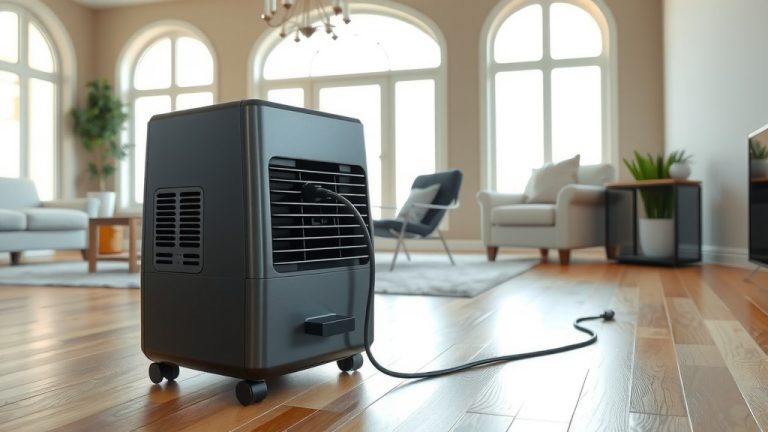
For your dehumidifier to work its magic effectively, good air circulation is a must. Position the unit where air can flow freely around it. This ensures that it can draw in humid air and release drier air efficiently, reaching every corner of your room. Think of it like a gentle breeze helping it do its job better.
Choosing the Right Dehumidifier for Your Bedroom
Not all dehumidifiers are created equal, and choosing the right one for your specific needs is vital. You’ll want a unit that’s powerful enough for your room size but also quiet enough not to disturb your sleep.
Portable vs. Whole-House Units
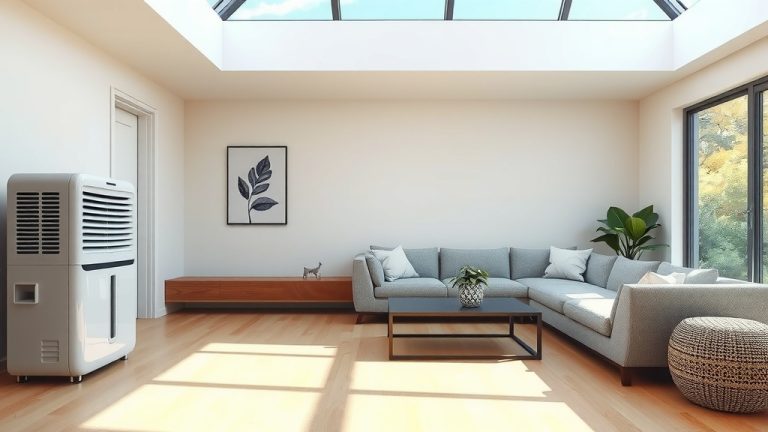
For most bedrooms, a portable dehumidifier is usually the best option. These units are self-contained and easy to move, making them perfect for targeting specific areas like your sleeping space. Whole-house systems are built into your HVAC and are a larger investment, suitable for very humid climates or entire homes.
Capacity Matters: How Big is Your Room?
Dehumidifier capacity is measured in pints of moisture removed per day. A larger room or a very humid environment will need a higher capacity unit. For a typical bedroom, a 30-50 pint unit is often recommended, but always check the manufacturer’s guidelines based on your room’s square footage and typical humidity levels.
Setting Up Your Dehumidifier for Optimal Results
Once you have your unit, proper setup is key to getting the most benefit. You want to place it strategically and understand the ideal settings for comfort and efficiency.
Finding the Sweet Spot: Ideal Humidity Levels
The goal isn’t to make your room bone dry. That can actually be uncomfortable and even unhealthy. Research often suggests that the ideal indoor relative humidity for comfort and health is between 30% and 50% (EPA guidelines).
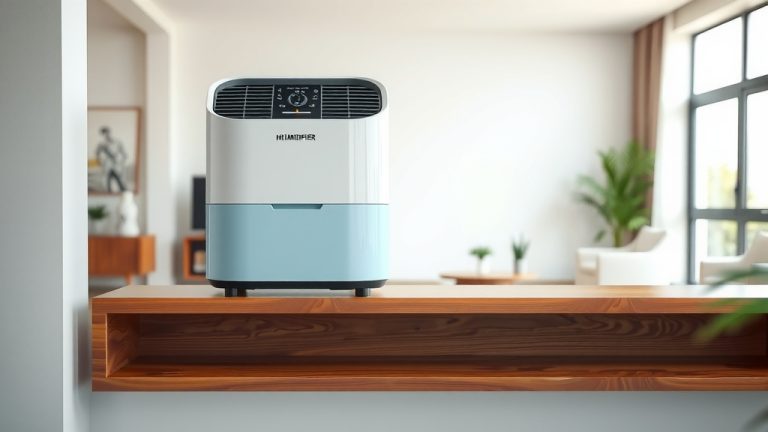
Most dehumidifiers have a humidistat, which allows you to set your desired humidity level. Start by aiming for around 45% and adjust from there based on how you feel. It’s all about finding your personal comfort zone.
| Relative Humidity Level | How It Feels | Potential Impact on Sleep |
|---|---|---|
| Above 60% | Sticky, Muggy, Heavy | Increased night sweats, mold growth, dust mites |
| 50% – 60% | Humid, Slightly Clammy | Discomfort, reduced sweat evaporation |
| 30% – 50% | Comfortable, Crisp, Dry | Optimal for sleep, reduced allergens |
| Below 30% | Very Dry, Irritating | Dry skin, irritated throat, static electricity |
Maintenance for Continuous Comfort
Like any appliance, a dehumidifier needs a little tender loving care. Regularly cleaning the air filter is crucial for its efficiency and longevity. A clogged filter means the unit has to work harder, consuming more energy and performing less effectively.
Also, remember to empty the water reservoir regularly. Many units have an auto-shutoff when full, but continuous draining options (if available) can save you from frequent trips to the bathroom.
When a Dehumidifier Might Not Be Enough
While a dehumidifier is a powerful tool for environmental control, it’s important to remember that it addresses the *effect* of humidity, not always the *root cause* of night sweats. If your night sweats persist even in a dry, cool room, it might be time to look at other factors.
Other Factors That Influence Night Sweats
Sometimes, night sweats can be a symptom of other issues. Many guidelines point to lifestyle adjustments as a good first step (NIH). Consider these additional points:
- Are you wearing breathable pajamas made of cotton or moisture-wicking fabric?
- Is your bedding lightweight and made from natural fibers?
- Are you avoiding spicy foods, caffeine, or alcohol close to bedtime?
- Could certain medications be contributing?
- Are you experiencing stress or anxiety?
- Have you discussed persistent night sweats with your doctor?
If you’re still struggling after optimizing your bedroom environment and making lifestyle changes, a chat with a healthcare professional can help you explore other potential causes.
Conclusion
In your quest for a peaceful night’s sleep, a dehumidifier stands out as a practical and effective solution for combating night sweats caused by high humidity. It creates a drier, cooler, and ultimately more comfortable environment, allowing your body to regulate its temperature with ease.
By investing in the right unit and setting it up correctly, you can transform your bedroom into an ideal sleep sanctuary. Remember, while a dehumidifier offers significant relief, always consider other factors and consult a doctor if your night sweats are severe or unexplained. Here’s to many dry, comfortable nights ahead!
What is the ideal humidity level for sleeping?
The ideal relative humidity level for comfortable sleep and overall health is generally between 30% and 50%. This range prevents the air from feeling too humid and sticky, while also avoiding excessive dryness that can irritate your skin or respiratory system.
How quickly does a dehumidifier work in a bedroom?
You can often feel the effects of a dehumidifier within a few hours of turning it on, especially in a smaller, enclosed space like a bedroom. For the unit to reach your desired humidity level and stabilize, it might take up to 24 hours, depending on the initial humidity and the unit’s capacity.
Should I run my dehumidifier all night?
Many people find it beneficial to run their dehumidifier all night, especially if they struggle with night sweats or live in a constantly humid environment. Most modern units are designed for continuous operation and have quiet settings. You can set the humidistat to maintain your preferred comfort level.
Can a dehumidifier make a room too dry?
Yes, a dehumidifier can make a room too dry if not set correctly or if left running indefinitely without a humidistat. That’s why setting the target humidity to 30-50% is important. Excessive dryness can lead to dry skin, irritated sinuses, and static electricity, so monitoring the humidity is key.
Do dehumidifiers use a lot of electricity?
The electricity usage of a dehumidifier varies depending on its capacity, efficiency, and how often it runs. Generally, larger units consume more power. Modern Energy Star certified dehumidifiers are more energy-efficient, and running one only when humidity is high can help manage costs. Consistent use might add to your electricity bill, but the improved comfort is often worth it for many.