Does a Dehumidifier Help with Nosebleeds?
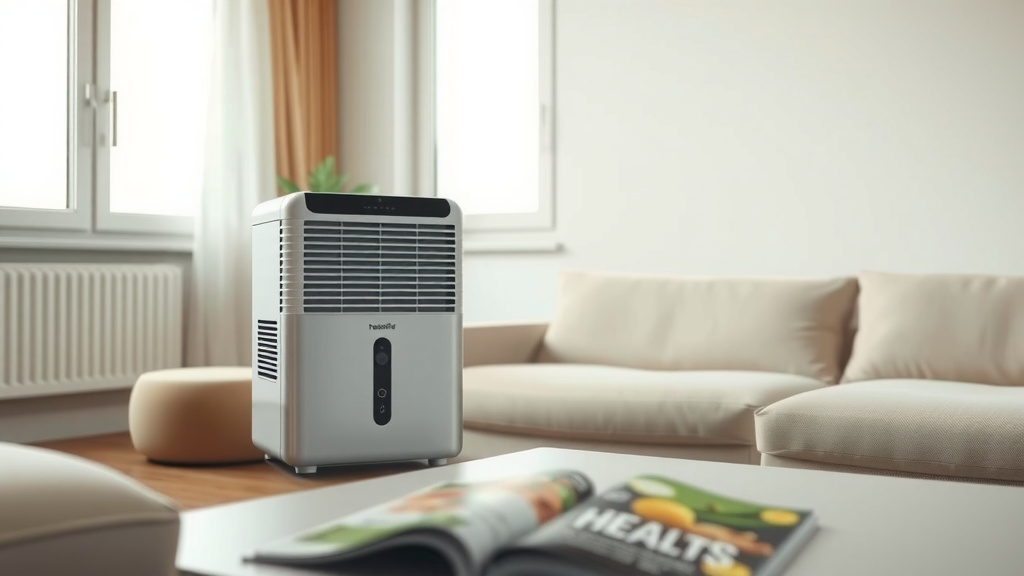
A dehumidifier generally does not help with nosebleeds; in fact, it can often make them worse by further drying out the air in your home. Nosebleeds are frequently caused by dry nasal passages.
Dehumidifiers remove moisture from the air, which can lead to even drier conditions, increasing the likelihood of irritating the delicate blood vessels in your nose.
Here’s a quick summary of what we’ll discuss:
- Dehumidifiers usually worsen nosebleeds by making air drier.
- Dry air is the main culprit behind many nosebleeds.
- Maintaining optimal indoor humidity (30-50%) is key for nasal health.
- A humidifier is the tool you actually need for dry air, not a dehumidifier.
- Simple at-home remedies can also bring relief for frequent nosebleeds.
Does a Dehumidifier Help with Nosebleeds?
No, a dehumidifier typically does not help with nosebleeds. Most often, nosebleeds happen because the air you breathe is too dry, irritating the sensitive lining inside your nose.
A dehumidifier’s job is to pull moisture out of the air, making it drier, which is the opposite of what you need to prevent dry nosebleeds.
Understanding Nosebleeds and Dry Air
Think of your nasal passages like a delicate garden. When it’s too dry, the plants wilt, and the soil cracks. Your nose’s lining, full of tiny blood vessels, reacts similarly to dry air.
When the air lacks moisture, your nasal membranes dry out, become crusty, and are much more prone to cracking and bleeding. This is a common issue, especially during colder months or in naturally arid climates (Cleveland Clinic).
The Role of Humidity in Nasal Health
Your nose loves a balanced environment. It needs enough moisture to keep its delicate tissues soft and flexible. This helps trap dust and germs, too.
When the humidity drops too low, say below 30%, your nasal passages start to feel the strain. They dry out, leading to itching, irritation, and eventually, those annoying nosebleeds.
When Your Air is Too Dry
Do you notice static electricity zapping you more often? Or maybe your skin feels tight and itchy? These are common signs that your indoor air might be too dry.
Low humidity can affect more than just your nose. It can also dry out your throat, cause chapped lips, and even make wood furniture creak. Your body truly feels the lack of moisture.
The Dehumidifier Effect: Less Moisture, More Dryness
A dehumidifier pulls water vapor from the air, reducing the overall humidity level in a room. It’s fantastic for combating mold, mildew, and musty smells in damp basements or bathrooms.
However, when you use a dehumidifier in a space where nosebleeds are an issue, you are likely reducing the very moisture your nasal passages desperately need to stay healthy.
Checking Your Home’s Humidity Levels
How do you know if your air is too dry or too humid? An inexpensive gadget called a hygrometer is your best friend. Many experts say that keeping your indoor humidity between 30% and 50% is ideal (Mayo Clinic).
If your hygrometer consistently reads below 30%, your air is likely too dry, and a dehumidifier would be the wrong solution. If it’s above 60%, a dehumidifier might be useful for other reasons, but not directly for preventing nosebleeds.
What if My Home is Too Humid?
If you live in a very humid area, or your home struggles with excess moisture, a dehumidifier can be quite useful. High humidity can lead to mold growth and dust mites, which can trigger allergies and asthma.
While excess humidity isn’t a direct cause of nosebleeds, managing mold and allergens is important for overall respiratory health. It’s a balance act, but remember, a dehumidifier won’t *directly* stop nosebleeds if dry air is the cause.
What ACTUALLY Helps with Nosebleeds Caused by Dry Air?
If dry air is the culprit for your nosebleeds, you need to add moisture back into your environment. We found that the following strategies are often recommended:
- Use a Humidifier: This is the go-to solution. A cool-mist humidifier adds moisture directly into the air. Place one in your bedroom, especially while you sleep, for maximum benefit.
- Saline Nasal Sprays: Over-the-counter saline sprays keep your nasal passages moist. Use them several times a day to prevent dryness.
- Nasal Ointments: A tiny dab of petroleum jelly or a specialized nasal gel applied just inside your nostrils can create a protective barrier against dryness.
- Stay Hydrated: Drinking plenty of water helps keep all your mucous membranes, including those in your nose, well-hydrated from the inside out.
- Avoid Picking or Blowing Hard: Be gentle with your nose. Excessive picking or forceful blowing can easily irritate dry, fragile blood vessels.
Humidifier vs. Dehumidifier: A Quick Comparison
It’s easy to get these two confused, but they do opposite jobs. Here’s a simple breakdown:
| Feature | Humidifier | Dehumidifier |
|---|---|---|
| Main Function | Adds moisture to the air | Removes moisture from the air |
| Ideal Humidity Range | When air is below 30% relative humidity | When air is above 50-60% relative humidity |
| Nosebleed Impact | Helps prevent by moistening nasal passages | May worsen by drying out nasal passages |
| Common Use Cases | Dry skin, chapped lips, sore throat, nosebleeds | Mold prevention, musty smells, basement dampness |
When to Talk to a Doctor
While many nosebleeds are just a minor nuisance caused by dry air, sometimes they can be a sign of something more. If you experience very frequent nosebleeds, or they are heavy and hard to stop, it’s wise to consult a healthcare professional.
Many guidelines point to discussing nosebleeds with your doctor if they happen more than once a week, last longer than 20 minutes, or you feel lightheaded (NIH).
Practical Steps for Preventing Dry Air Nosebleeds
Keeping your nasal passages happy and moist doesn’t have to be hard. Here’s a simple checklist:
- Install a hygrometer to track humidity.
- Use a cool-mist humidifier in your bedroom.
- Apply saline nasal spray daily.
- Gently apply petroleum jelly inside your nose.
- Drink plenty of water throughout the day.
- Avoid harsh nose blowing or picking.
Conclusion
So, does a dehumidifier help with nosebleeds? The straightforward answer is no, it generally does not. Most nosebleeds stem from dry nasal passages, and a dehumidifier’s job is to remove moisture, making the air even drier.
If you’re struggling with nosebleeds, your efforts should focus on *adding* moisture back into your environment, not taking it away. A humidifier, saline sprays, and good hydration are your true allies in keeping your nose healthy and free from dryness-induced bleeding.
Frequently Asked Questions
How do I know if dry air is causing my nosebleeds?
You might notice nosebleeds are more common in winter, in dry climates, or if you also have dry skin, chapped lips, or a dry throat. Using a hygrometer to check your indoor humidity (below 30% indicates dry air) can also confirm this.
Can too much humidity cause nosebleeds?
While high humidity isn’t a direct cause of nosebleeds, it can promote mold and dust mites, which might trigger allergic reactions or asthma, indirectly impacting overall respiratory health. However, nosebleeds themselves are almost always linked to dry, not humid, conditions.
Is a warm mist or cool mist humidifier better for nosebleeds?
For nosebleeds, either a warm mist or cool mist humidifier can be effective at adding moisture to the air. Cool mist is often preferred, especially in children’s rooms, because it poses no burn risk. Both types help soothe dry nasal passages.
How quickly can a humidifier help with nosebleeds?
You might start feeling relief within a few hours to a day after using a humidifier consistently. Keeping the air moisturized, especially overnight, can quickly make a difference in reducing nasal dryness and the frequency of nosebleeds.
Besides a humidifier, what else can I do for chronic nosebleeds?
Beyond using a humidifier, consider daily saline nasal sprays, applying a small amount of petroleum jelly or nasal gel inside your nostrils, staying well-hydrated, and avoiding forceful nose blowing. If nosebleeds persist or are heavy, it’s important to see a doctor for medical advice.