Does a Dehumidifier Help with Pet Allergies?
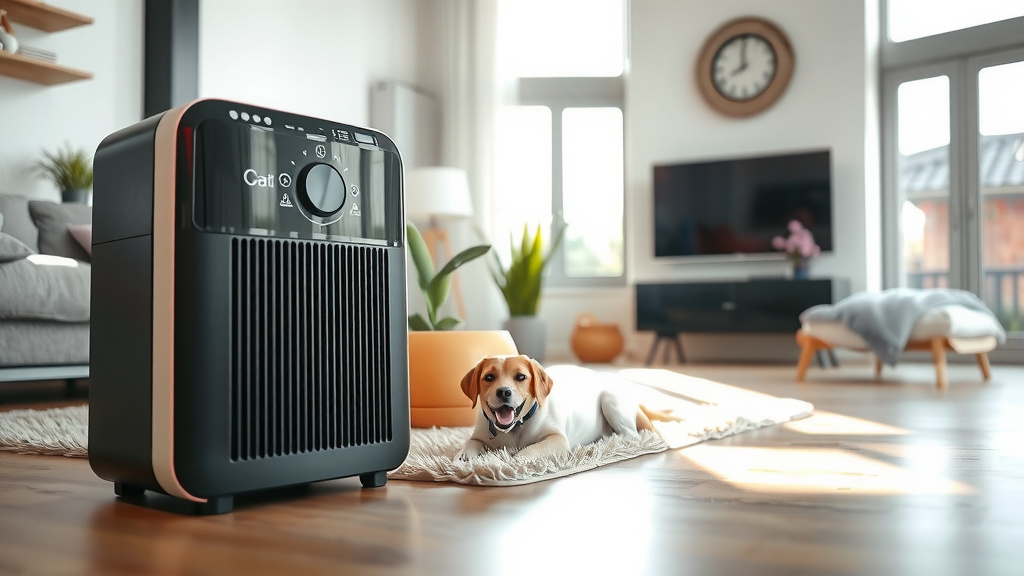
Yes, a dehumidifier can certainly help with pet allergies by reducing overall indoor humidity. By keeping your home’s humidity below 50%, you can significantly limit the growth of dust mites and mold, which are common triggers often found alongside pet dander.
While a dehumidifier doesn’t directly remove pet dander, it creates an environment less hospitable for other allergens, leading to a much more comfortable breathing space for those with sensitivities.
- Dehumidifiers lower humidity, making your home less friendly for dust mites and mold.
- Fewer dust mites and less mold mean fewer overall allergy triggers, easing pet allergy symptoms.
- Optimal humidity levels (30-50%) are key for allergy relief and better air quality.
- Dehumidifiers don’t remove dander itself, but they help manage the allergic environment.
- Combining a dehumidifier with other cleaning methods offers the best defense.
Does a Dehumidifier Help with Pet Allergies?
Absolutely, a dehumidifier plays a real role in managing pet allergies. It helps create a home environment where common allergy triggers struggle to survive, bringing you much-needed relief.
Understanding Pet Allergies and Your Home
When you have pet allergies, it’s not usually the pet’s fur itself that causes trouble. Instead, it’s tiny proteins found in their dander, saliva, and urine. These microscopic particles float around and can stick to just about anything in your home (Mayo Clinic).
You might wonder, “What does humidity have to do with this?” Well, humidity sets the stage for how these allergens behave. High moisture levels can really make things worse for allergy sufferers.
What Causes Pet Allergies to Flare?
Those sniffles, sneezes, and itchy eyes? They are your body reacting to pet proteins. These tiny invaders become airborne easily and can settle deep into carpets, furniture, and even your clothes.
Even if you try to clean, these particles are incredibly persistent. Many people with pet allergies also find themselves sensitive to other common indoor allergens, like dust mites and mold.
Why Humidity Matters for Indoor Allergens
Think of your home as a small ecosystem. Dust mites, for example, absolutely love damp environments. We found that they thrive when relative humidity is above 50% (NIH). They feed on skin flakes and reproduce quickly in moist conditions.
Mold is another big culprit. It grows rapidly in humid spots like bathrooms or basements. Spores released by mold can mimic pet allergy symptoms, making you feel much worse. So, humidity is a big deal.
How a Dehumidifier Works for Allergy Relief
Imagine draining a swamp. That’s essentially what a dehumidifier does for your air. It pulls excess moisture out, changing the atmosphere to be less welcoming for allergens.
By making your home drier, you’re directly attacking the conditions that help dust mites and mold flourish. This action provides significant indirect relief from your pet allergy symptoms.
The Science of Lowering Humidity
A dehumidifier works by drawing in air from your room over a cooled coil. This process condenses the water vapor into liquid water, which collects in a bucket. The drier, cooled air is then released back into the room.
It’s a simple yet very effective process. The machine steadily reduces the amount of moisture floating in your indoor air.
Targeting Dust Mites and Mold Growth
With less moisture, dust mites simply cannot reproduce as quickly or even survive for long. Their preferred breeding grounds dry up, reducing their population. It’s like turning off their water supply.
Similarly, mold needs moisture to grow. When you lower the humidity, you deny mold the damp surfaces it needs to spread. We found this reduction significantly slows or stops mold growth in homes.
Indirect Impact on Pet Dander
A dehumidifier won’t magically suck up pet dander itself. Dander is a physical particle. However, by reducing other allergy triggers like dust mites and mold, your body has fewer things to react to overall.
Imagine your immune system having fewer battles to fight. This can make the presence of pet dander feel less irritating. Many experts say that reducing the overall allergen load makes a big difference (CDC).
Finding the Right Humidity Balance
Just like Goldilocks, you want the humidity to be “just right.” Not too high, but not too low either. Getting this balance helps both your health and your home’s well-being.
The Sweet Spot: 30-50% Relative Humidity
Many health organizations, including the EPA, recommend keeping your home’s relative humidity between 30% and 50%. This range is generally ideal for limiting allergen growth while keeping your air comfortable.
You can easily monitor your home’s humidity with a hygrometer. Many dehumidifiers even come with a built-in one. This tool helps you maintain consistent levels.
Risks of Too Low Humidity
While low humidity is great for tackling mold and dust mites, going too low can also cause problems. Air that is too dry can lead to dry skin, irritated nasal passages, and even worsen some respiratory conditions.
It’s all about balance. Aim for that 30-50% range, and you will likely find the best results for allergy management and comfort.
Using Your Dehumidifier Effectively
To get the most benefit, think about where you place your dehumidifier and how you care for it. A little planning goes a long way in your fight against allergens.
Best Placement and Sizing
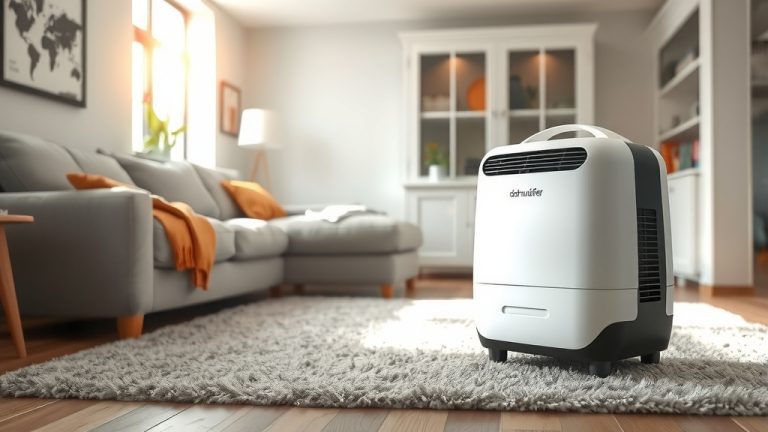
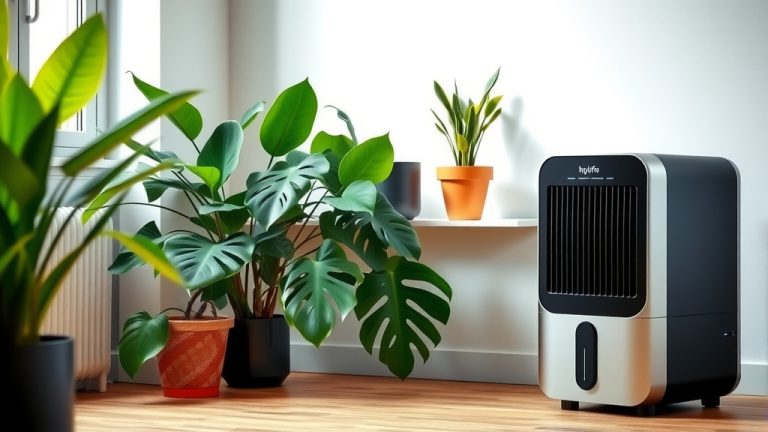
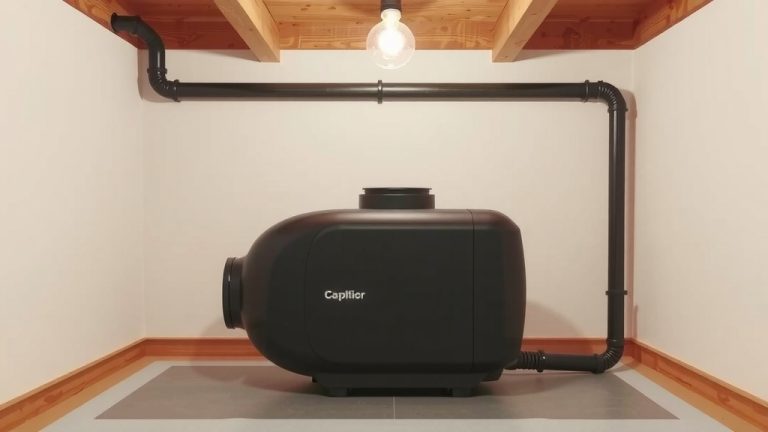
Basements are often damp, making them prime spots for mold and dust mites. Placing a dehumidifier there is a smart move. But also consider other areas with higher humidity, such as laundry rooms or main living spaces where your pet spends time.
Dehumidifiers come in different “pint” capacities. This refers to how much water they can remove from the air in 24 hours. A larger room or a very damp area needs a higher capacity unit. Choosing the right size ensures it can effectively manage the humidity in your specific space. Don’t undersize it, or it will struggle to keep up.
Simple Maintenance Tips
Just like any appliance, your dehumidifier needs a little love. Regularly empty the water bucket (unless you have a drain hose setup) and clean the air filter. A dirty filter reduces efficiency and can even blow dust back into the air.
A clean dehumidifier works harder and lasts longer, giving you consistent allergy relief.
Beyond the Dehumidifier: A Holistic Approach
Think of your dehumidifier as one valuable player on your allergy-fighting team. For the best results, combine its efforts with other proven strategies.
Combine with Cleaning and Air Purifiers
Frequent vacuuming with a HEPA filter vacuum, wiping down surfaces, and mopping floors can remove dander and other allergens. We found that consistent cleaning habits make a huge impact on indoor air quality.
While a dehumidifier removes moisture, an air purifier with a HEPA filter actively captures airborne particles, including pet dander. These two machines work together beautifully. Using both can provide a double layer of protection against allergy triggers in your air.
Key Strategies for Allergy Relief
To keep your pet allergies at bay, try incorporating these actions into your routine. They complement your dehumidifier’s work for a cleaner, healthier home environment.
Here’s a snapshot to help you understand the link between humidity and common indoor allergens:
| Humidity Level | Impact on Allergens | Your Comfort Level |
|---|---|---|
| Below 30% | Very low dust mites/mold, but may dry out air too much. | Can lead to dry skin, sore throat, static electricity. |
| 30-50% (Ideal) | Optimal for limiting dust mites and mold growth. | Generally comfortable, good for respiratory health. |
| Above 50% | High dust mite and mold growth, stagnant air. | Feels sticky, stuffy; can worsen allergy symptoms. |
And here’s a handy checklist to guide your allergy-fighting efforts:
- Run your dehumidifier regularly, aiming for 30-50% humidity.
- Clean floors and surfaces often with a HEPA-filter vacuum.
- Wash pet beds and your own bedding in hot water weekly.
- Use an air purifier with a HEPA filter in high-traffic areas.
- Consider creating pet-free zones, like your bedroom.
- Groom your pet regularly to reduce shedding dander.
Conclusion
While a dehumidifier isn’t a silver bullet for pet allergies, it’s a powerful tool in your fight for cleaner air. By expertly managing your home’s humidity, you make it a less appealing place for dust mites and mold, both of which often worsen allergy symptoms.
Pairing your dehumidifier with other smart cleaning strategies and an air purifier creates a robust defense. You can certainly breathe easier and enjoy your furry friends more with a thoughtful approach to indoor air quality.
Frequently Asked Questions About Dehumidifiers and Pet Allergies
Will a dehumidifier stop my pet allergy symptoms completely?
No, a dehumidifier alone won’t completely stop pet allergy symptoms. It effectively reduces other common allergens like dust mites and mold, which often contribute to your overall allergic reaction. For full relief, combine it with other allergy management strategies.
How quickly will I notice a difference after using a dehumidifier for allergies?
You might notice a difference in air comfort within a few hours to a day. However, it takes time to reduce populations of dust mites and mold. You should experience more significant allergy relief within a few weeks of consistent use, especially when combined with cleaning.
Can I use a dehumidifier and an air purifier at the same time?
Absolutely! Using both a dehumidifier and an air purifier is an excellent strategy for allergy relief. The dehumidifier controls humidity and mold/dust mites, while the air purifier filters out airborne particles like pet dander. They work wonderfully together.
Is it bad to have my home’s humidity too low for allergy control?
Yes, excessively low humidity (below 30%) can cause problems. It might lead to dry skin, irritated nasal passages, static electricity, and could even damage wooden furniture. The ideal range for both health and home is generally between 30% and 50% relative humidity.
Should I place my dehumidifier in the same room as my pet?
Placing your dehumidifier in a room where your pet spends a lot of time, or in the dampest areas of your home, is a good idea. The goal is to reduce overall humidity where allergens are most likely to thrive. Ensure it’s not directly exposed to pet hair clogging the filter too quickly.