Does a Dehumidifier Help with Pneumonia?
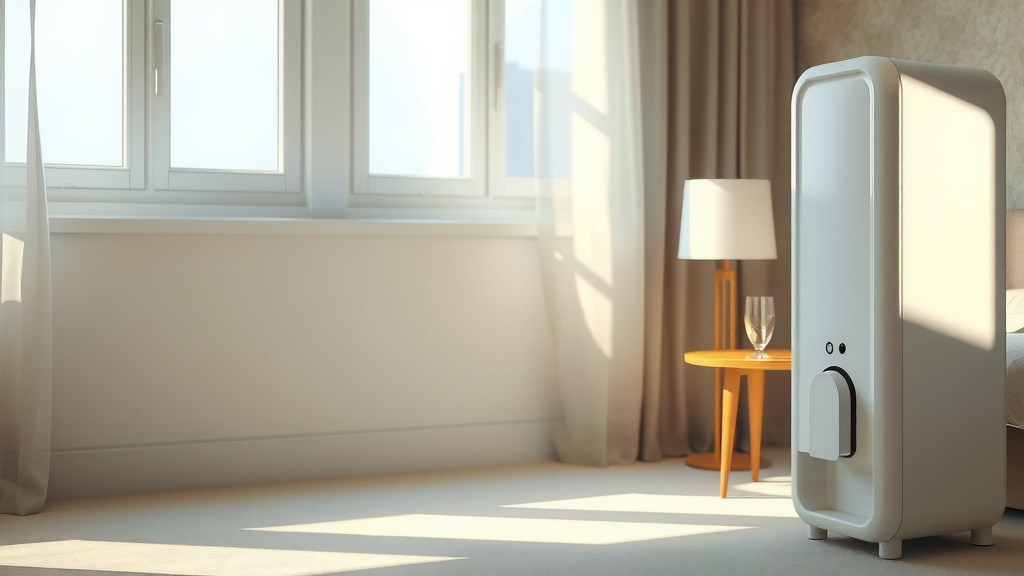
A dehumidifier can indirectly help with pneumonia by creating a healthier indoor environment, reducing factors that may worsen respiratory conditions.
It primarily works by controlling humidity levels, which can limit the growth of mold and dust mites, common irritants for those with lung issues.
- Dehumidifiers manage indoor humidity, they are not a direct pneumonia treatment.
- They can help by reducing common allergens like mold and dust mites in your home.
- Maintaining indoor humidity between 30-50% is generally best for respiratory health.
- Always consult your doctor for proper pneumonia treatment and medical advice.
- A drier, more comfortable home can support recovery and ease breathing for some.
Does a Dehumidifier Help with Pneumonia?
A dehumidifier does not directly treat pneumonia, which is a lung infection. Instead, it supports your recovery by improving your indoor air quality and comfort. This creates a better environment for healing.
Understanding Pneumonia and Environment
Pneumonia affects your lungs, making breathing difficult. Your doctor will prescribe medication and care for this serious condition. While a dehumidifier isn’t medicine, it can remove some common irritants from the air you breathe during recovery.
Think of it like this: if you have a cut, you need medicine, but keeping the wound clean also helps. A dehumidifier helps keep your air cleaner and more comfortable as you heal. It’s about creating an optimal healing space.
High Humidity: A Hidden Foe?
High humidity means there’s too much moisture in the air. This dampness often makes your home feel clammy and uncomfortable. For someone recovering from pneumonia, this feeling of dampness can make breathing seem heavier or more labored.
More importantly, consistently high humidity creates a perfect breeding ground for unwanted guests. We found that mold and dust mites thrive in damp conditions (NIH). These microscopic organisms can trigger allergies or worsen respiratory symptoms for many people.
Mold and Dust Mites: Why They Matter
Mold spores are everywhere, but they grow rapidly on damp surfaces. Breathing in mold spores can irritate your airways, especially if you have sensitive lungs or allergies. This is the last thing you want when your lungs are already fighting an infection.
Dust mites are tiny creatures that live in bedding, carpets, and upholstery. Their waste products are a major allergen. Reducing humidity makes your home less hospitable for them, potentially cutting down on these common respiratory triggers.
The Role of a Dehumidifier in Your Home
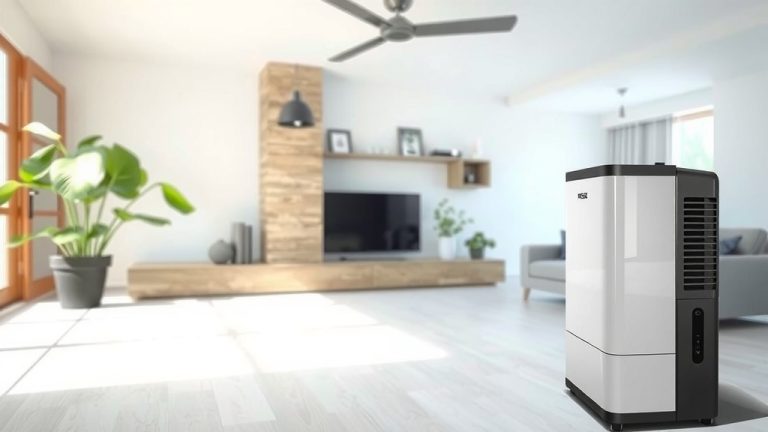
A dehumidifier works by pulling excess moisture from the air. It cycles room air over cold coils, condensing the water, and then collects it in a tank. The result is air that feels drier and often fresher.
By controlling humidity, you effectively control the conditions where mold and dust mites flourish. This means fewer potential irritants floating around for you to breathe in. It’s about removing indirect stressors on your respiratory system.
Ideal Humidity Levels for Health
Many experts, including those at the Mayo Clinic, suggest keeping indoor humidity between 30% and 50%. This range is generally considered best for human comfort and health. It’s dry enough to deter pests but not so dry it irritates your skin or throat.
You can monitor your home’s humidity with a simple hygrometer. Maintaining this “sweet spot” ensures your environment is as supportive as possible during a health challenge. It’s a small change that can make a difference.
Benefits for Pneumonia Patients (Indirectly)
While a dehumidifier isn’t a direct cure, many people report feeling better in a less humid environment. Here are some ways it might help:
- Reduced Irritants: Less mold and dust mites can mean fewer allergens to potentially worsen coughing or breathing.
- Increased Comfort: A drier home often feels cooler and less stifling, which can aid rest.
- Improved Sleep: Better air quality and comfort can contribute to more restful sleep, which is important for recovery.
- Less Congestion Feeling: Some find a drier atmosphere helps reduce a feeling of heaviness or congestion in the chest.
What a Dehumidifier Cannot Do
It’s vital to remember that a dehumidifier is not a medical device. It cannot:
- Kill the bacteria or virus causing your pneumonia.
- Replace antibiotics or antiviral medications.
- Treat the lung infection itself.
- Remove all airborne pollutants or allergens.
A dehumidifier is merely a tool to create a better environment, not a treatment for the illness. Always follow your doctor’s instructions for pneumonia care.
Choosing the Right Dehumidifier
If you decide to use one, selecting the right size for your space is important. Dehumidifiers are rated by how much moisture they can remove in a day (pints).
| Room Size | Recommended Dehumidifier Capacity | Typical Impact |
|---|---|---|
| Small Room (up to 500 sq ft) | 30 Pint | Maintains comfort in a single room. |
| Medium Room (500-1000 sq ft) | 50 Pint | Good for larger living areas or basements. |
| Large Room (1000+ sq ft) | 70+ Pint | Suitable for very damp, expansive spaces. |
Placement and Maintenance Tips
Place your dehumidifier in the room where you spend the most time, or where humidity is highest. Keep it away from walls to allow good airflow. Regular cleaning of the filter and emptying the water tank are also essential for efficient operation.
Other Indoor Air Quality Tips
A dehumidifier is one part of a larger picture. Consider these other ways to keep your indoor air healthy:
- Regularly clean and dust: Use a damp cloth to trap dust.
- Vacuum with a HEPA filter: This can capture tiny particles.
- Open windows: When outdoor air quality permits, ventilate your home.
- Avoid indoor smoking: Smoke is a major lung irritant.
- Keep pets clean: Pet dander can be an allergen.
- Maintain HVAC filters: Change them regularly to keep your system efficient.
Always Consult Your Doctor
Pneumonia is a serious medical condition that requires professional care. Please remember that any environmental changes are complementary to medical treatment, not a replacement. Your doctor is your best resource for health advice.
Conclusion
While a dehumidifier won’t cure pneumonia, it can play a supportive role by creating a more comfortable and healthier indoor environment. By controlling humidity and reducing common irritants like mold and dust mites, you can take a step toward better indoor air quality as your body recovers. Always prioritize your medical treatment and discuss any home environment changes with your healthcare provider. Your comfort and speedy recovery are what truly matter.
Can I use a dehumidifier while taking antibiotics for pneumonia?
Yes, using a dehumidifier while taking antibiotics for pneumonia is generally fine. It addresses indoor air quality, which is separate from your medical treatment. The dehumidifier will not interfere with your medication, but always confirm with your doctor if you have specific concerns.
How quickly does a dehumidifier affect air quality for someone with lung issues?
You might notice a difference in comfort within a few hours to a day, as the air feels drier. However, the long-term benefits of reducing mold and dust mites take time, as their populations decline. Consistency is key for lasting effects.
Will a dehumidifier make the air too dry and irritate my throat?
If you keep your indoor humidity in the recommended 30-50% range, it shouldn’t make the air too dry. Excessively dry air can sometimes irritate throats or nasal passages. Use a hygrometer to monitor levels and adjust your dehumidifier if needed to stay within the ideal range.
What kind of dehumidifier is best for a bedroom?
For a bedroom, a quiet, 30-pint capacity dehumidifier is often a good choice. Look for models with a low noise level so they don’t disturb your sleep. Some come with continuous drainage options, so you don’t have to empty the tank often.
Are there any risks to using a dehumidifier for a pneumonia patient?
There are generally no direct risks. However, ensure the unit is clean and maintained to prevent mold growth inside the unit itself. Also, make sure the air doesn’t become excessively dry, which can sometimes irritate airways. Always prioritize medical advice for pneumonia treatment.