Do I Need a Humidifier or Dehumidifier for Cough?

For a dry, scratchy cough, a humidifier often helps by adding moisture to the air and soothing irritated airways.
If your cough is wet, productive, or linked to allergies and mold, a dehumidifier can reduce excess moisture, making it harder for irritants to thrive.
Here’s the quick rundown:
- If your cough feels dry, tickly, or you have a stuffy nose, consider a humidifier to moisten the air.
- If you have a wet, chesty cough, or allergy triggers like mold, a dehumidifier can dry the air.
- Ideal indoor humidity is generally between 40% and 50%.
- Always clean your devices regularly to avoid spreading germs or mold spores.
- Listen to your body, and if your cough persists, always consult a doctor.
Do I Need a Humidifier or Dehumidifier for Cough?
You need a humidifier for a dry, irritating cough to add moisture. A dehumidifier helps a wet cough by reducing humidity and irritants.
Understanding Cough Types and Humidity
Coughs are your body’s way of clearing irritants. The type of cough you have often tells you what kind of relief you might need. Understanding this is your first step.
Dry Cough: When the Air Feels Too Parched
Does your throat feel scratchy? Is your cough non-productive, meaning no mucus comes up? This is often a dry cough. Dry air can irritate your throat and airways, making these coughs worse.
Many experts agree that adding moisture to the air can soothe irritated tissues (Mayo Clinic). Think of it like a desert trying to hydrate; your throat needs that relief.
Wet Cough: Dealing with Excess Moisture
A wet, chesty cough brings up mucus or phlegm. This kind of cough is trying to expel something from your lungs. For this, less moisture is often better.
Excess humidity can promote mold and dust mites. These are common allergens that can trigger a wet or allergic cough (CDC). We found that reducing humidity helps control these irritants.
Humidifiers: Your Ally Against Dryness
A humidifier releases water vapor into the air. This increases the humidity levels in your home. It’s like bringing a little oasis indoors.
When a Humidifier Can Help Your Cough
If you have a dry cough, a humidifier can be a real comfort. It helps when your throat feels dry or raw. It’s especially useful during winter months when indoor air is typically dry.
We found that humidifiers can help loosen chest congestion for some types of coughs. It makes it easier to expel mucus from the lungs. This can offer significant relief.
Tips for Using a Humidifier Safely
Always use distilled water to prevent mineral dust buildup. You should clean your humidifier every day or two to stop bacteria or mold from growing. Not doing so can worsen your cough.
Keep humidity levels between 40% and 50%. Too much humidity can create other problems. You don’t want to trade one issue for another.
Dehumidifiers: Taming Excess Moisture
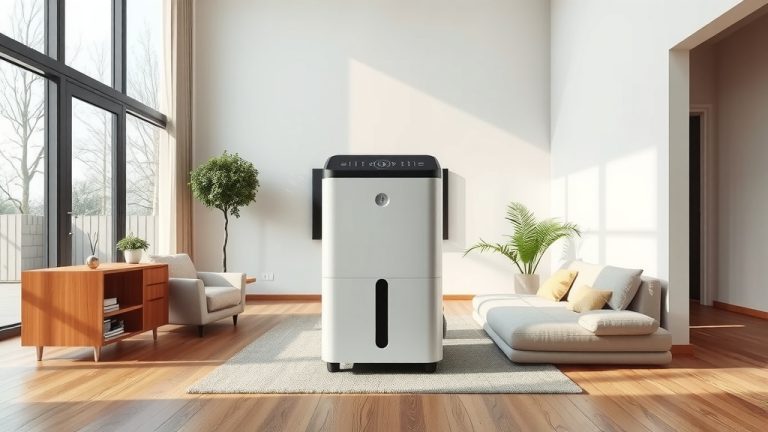
A dehumidifier pulls moisture out of the air. It collects water in a tank, making your indoor environment drier. Think of it as a sponge for your air.
When a Dehumidifier Can Soothe Your Cough
If your cough is wet, productive, or seems linked to allergies, a dehumidifier might be what you need. Reducing indoor humidity can help control allergens like mold and dust mites.
Research often connects high humidity with increased mold growth (NIH). By keeping humidity low, you make your home less inviting for these cough triggers. This is a practical solution.
Signs Your Home Might Be Too Humid
How do you know if your home has too much moisture? Look for tell-tale signs. You might see condensation on windows, a musty smell, or even visible mold spots on walls.
Does the air feel heavy and sticky? That’s another clue. These are signals that your home could benefit from a dehumidifier. Don’t ignore what your home is telling you.
Ideal Humidity Levels for Health
Maintaining the right humidity balance is key. Many experts say the sweet spot for indoor air is between 40% and 50% relative humidity. This range is comfortable and healthy.
Too dry, and your cough gets worse. Too humid, and you risk mold. A hygrometer can help you monitor your home’s humidity. It’s a small but useful tool.
Humidifier vs. Dehumidifier for Common Coughs
Let’s make this simple. Here’s a quick guide to help you decide which device is right for your cough type:
| Cough Type | Symptoms | Recommended Device |
|---|---|---|
| Dry, Hacking Cough | Tickly throat, no mucus, worse in dry air | Humidifier |
| Wet, Productive Cough | Mucus, chest congestion, often with colds | Dehumidifier (if humidity is high) |
| Allergy-Related Cough | Seasonal, triggered by dust or mold | Dehumidifier |
| Croupy Cough (Barking) | Often in children, worse at night | Humidifier (cool mist recommended) |
When to Seek Medical Advice for Your Cough
While humidifiers and dehumidifiers can help, they aren’t replacements for medical care. If your cough is severe, persistent, or accompanied by other worrying symptoms, talk to a doctor.
Symptoms like difficulty breathing, chest pain, fever, or coughing up blood require immediate medical attention. Your health is the most important thing.
Keeping Your Air Clean
Beyond humidity levels, air quality plays a big part in cough relief. Regular cleaning of your devices is crucial. This keeps them from becoming germ factories.
Also, consider air purifiers if allergens are a major concern. They can filter out particles that trigger coughs. It’s all about creating a clean breathing space.
Quick Checklist: Is Your Home Environment Helping or Hurting Your Cough?
Take a moment to check your home. This quick list can help you decide if you need to adjust your humidity:
- Do your windows have condensation? (Too humid)
- Do you notice a musty smell, especially in basements? (Too humid)
- Is your skin feeling dry or itchy? (Too dry)
- Are your nasal passages or throat constantly dry? (Too dry)
- Is visible mold growing anywhere in your home? (Definitely too humid!)
- Do you or your family members wake up with dry throats? (Often too dry)
Conclusion
Choosing between a humidifier and a dehumidifier for your cough truly depends on the type of cough you have and your home’s environment. For a dry cough, adding moisture with a humidifier brings relief. For a wet, allergy, or mold-related cough, reducing moisture with a dehumidifier is key.
Always aim for indoor humidity between 40% and 50% for optimal comfort and health. Remember to maintain your devices properly and consult a healthcare professional if your cough is concerning. Your breathing comfort truly matters, so make informed choices for your home and your health.
What is the optimal humidity level to prevent coughs?
The optimal indoor humidity level to help prevent coughs and promote overall respiratory health is generally between 40% and 50% relative humidity. This range helps keep airways moist without encouraging mold or dust mite growth.
Can a humidifier make a wet cough worse?
Yes, sometimes. If you have a wet, productive cough that’s already clearing mucus, adding too much moisture with a humidifier could potentially make congestion feel worse or encourage the growth of mold or bacteria if the device isn’t cleaned properly. It’s best for dry, irritating coughs.
How do I know if my cough is caused by dry air or allergies?
A cough from dry air often feels scratchy, tickly, or irritating, especially at night or in the morning. An allergy cough might come with sneezing, itchy eyes, or a runny nose, and often appears seasonally or after exposure to specific triggers like dust or pet dander.
Is it safe to use a humidifier and a dehumidifier in the same house?
Yes, absolutely! You might use a dehumidifier in a damp basement or bathroom and a humidifier in a dry bedroom during winter. The goal is to balance humidity levels in different areas of your home. You probably wouldn’t use them in the same room at the same time.
Can I use essential oils in my humidifier for cough relief?
While some people find relief from essential oils, it’s not recommended to add them directly to most humidifiers. Many manufacturers advise against it as oils can damage the device or release irritants into the air. Always check your humidifier’s manual first, or use a diffuser designed for essential oils separately.