Do I Need More Than One Dehumidifier?
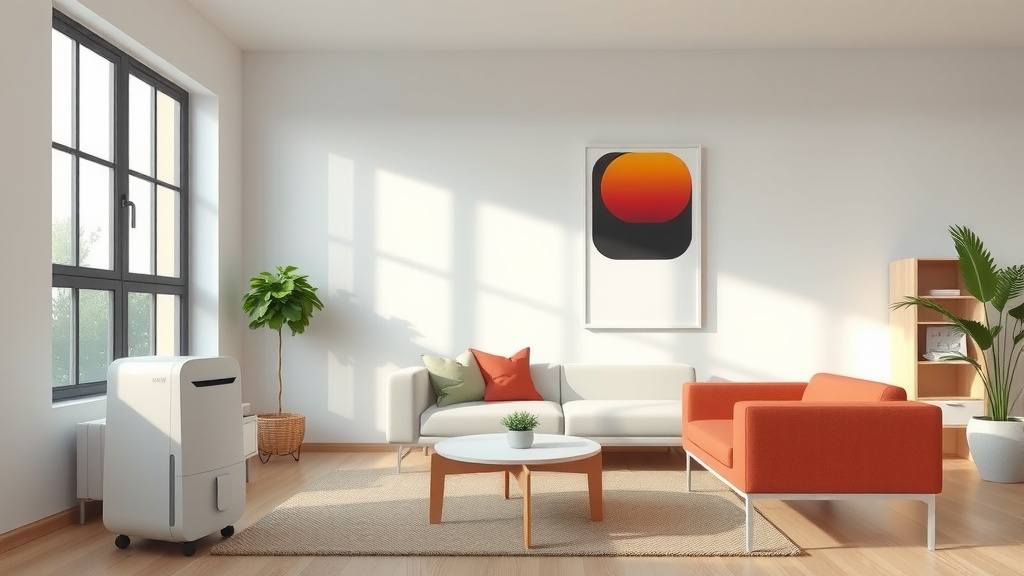
You might need more than one dehumidifier if you have a large home, multiple enclosed rooms with separate humidity issues, or persistent dampness in distinct areas like a basement and an attic.
Consider extra units when a single dehumidifier struggles to maintain ideal humidity (between 30-50%) throughout your entire living space.
For a quick overview of whether you need multiple dehumidifiers:
- A single dehumidifier often works for smaller, open-concept spaces.
- Larger homes or those with separate damp areas usually benefit from more units.
- Look for signs like lingering dampness, mold smells, or condensation in different rooms.
- Proper sizing and placement are key, whether you use one or several.
- Sometimes, a whole-home solution is more efficient for widespread issues.
Do I Need More Than One Dehumidifier?
Determining if you need one or multiple dehumidifiers boils down to your home’s size, layout, and specific humidity challenges. It’s like deciding if one fan can cool your whole house or if you need several.
Understanding Your Humidity Problem
Humidity is simply water vapor in the air. Too much of it can make your home feel sticky and uncomfortable. It also creates a perfect breeding ground for mold and dust mites (CDC).
You might notice a musty smell, especially in basements. Perhaps you see condensation on windows or cold pipes. These are clear signals that your home has a moisture problem.
Where Does Excess Moisture Hide?
Moisture can creep in from many places. It might come from leaky pipes or a damp foundation. Everyday activities, like showering and cooking, also add humidity to your indoor air.
Certain areas, such as basements, crawl spaces, and bathrooms without proper ventilation, are naturally prone to higher humidity levels. These spots often act as moisture magnets.
The Risks of High Humidity
Sustained high humidity isn’t just uncomfortable. It can cause serious problems for your home and your health. Think about warped wooden floors or peeling paint.
More concerning is the growth of mold, which can trigger allergies and respiratory issues (Mayo Clinic). High humidity also attracts pests like cockroaches and silverfish, which thrive in damp environments. Protecting your home from mold is important for health.
Factors to Consider for Dehumidifier Placement
Before you buy, let’s think about what makes your home unique. Your home’s characteristics play a big part in whether you need one or several units. Every home has its own humidity story.
Square Footage Matters
A single dehumidifier works best in smaller, open spaces. If your living room flows into your kitchen, one unit might handle it fine. But a large house with many rooms will likely need more power.
Manufacturers often rate dehumidifiers by the square footage they can effectively cover. Matching the unit to your space ensures you get the right level of control.
Layout and Openness of Your Home
Imagine your home like a maze. If you have many separate rooms, doors, and hallways, air doesn’t circulate easily. One dehumidifier in the living room won’t reach a damp bedroom down the hall.
Closed doors and walls block the humid air from reaching your dehumidifier. This creates pockets of high humidity. For fragmented layouts, you might need a unit in each zone.
Specific Problem Areas
Do you have a perpetually damp basement AND a humid attic? These are two distinct problems, far apart. A single unit cannot tackle both areas effectively.
Basements, crawl spaces, and garages often have unique humidity issues due to their location. Targeting these spots with individual units is often the most efficient strategy. Address each problem directly.
One Dehumidifier or Many? Making the Call
Let’s get to the heart of it. When is one unit enough, and when should you consider adding more? It’s about finding the balance for your home.
When One Might Be Enough
If you live in a small apartment or an open-concept house, a single, properly sized dehumidifier might be all you need. Place it in a central location, and it can often manage the entire space.
Also, if your humidity problem is localized to just one room, like a laundry room, one unit placed there will do the job. A focused approach can be highly effective.
Signs You Need More Than One Unit
Pay attention to what your home tells you. Are some rooms still feeling clammy even with a dehumidifier running elsewhere? Do you see condensation returning in areas far from your unit?
If you have different humidity “zones” that are physically separated, that’s a strong sign. A basement and an upstairs bathroom with persistent dampness likely need their own units for optimal performance.
Types of Dehumidifiers for Different Needs
Dehumidifiers come in various types, each suited for different conditions and needs. Knowing the options helps you choose wisely. Think about what works best in your specific environment.
| Type | Best For | Key Feature |
|---|---|---|
| Desiccant | Cooler environments (below 60°F), garages, basements | Works well at low temperatures, no compressor |
| Compressor (Refrigerant) | Warmer, humid environments (above 65°F), living areas | Energy efficient in warm conditions, more common |
| Whole-Home | Entire house, integrated with HVAC | Comprehensive, hands-free humidity control |
Choosing the Right Size and Type
The “size” of a dehumidifier refers to its capacity to remove moisture. This is usually measured in pints per day. A larger, damper area requires a higher pint capacity unit.
For a 500 sq ft damp basement, you might need a 30-pint unit. A very wet 1000 sq ft space could need a 70-pint model. Always match the unit’s capacity to your area’s needs.
Strategic Placement for Maximum Effectiveness
Where you put your dehumidifier matters just as much as its size. Place it in the center of the dampest room. Allow space around the unit for air to circulate freely.
Avoid placing it directly against walls or furniture, as this blocks airflow. Also, keep windows and doors closed in the room where it operates. This helps the unit work more efficiently and quickly.
Maintaining Your Dehumidifiers
To keep your units running their best, regular maintenance is key. Clean the air filter at least once a month. A clogged filter reduces efficiency and can damage the unit.
Empty the water collection bucket regularly, or use a drain hose for continuous operation. Keep the coils clean to ensure they can condense moisture effectively. Proper care extends your unit’s lifespan.
When to Consider a Whole-Home System
For widespread humidity issues across your entire home, a whole-home dehumidifier might be a smart choice. These systems integrate with your existing HVAC system. They offer consistent, controlled humidity levels everywhere.
A whole-home solution removes the need for multiple portable units. It also reduces the hassle of emptying buckets. It’s a convenient option for those seeking a set-it-and-forget-it experience.
Consider a whole-home system if:
- You have persistent high humidity throughout your entire house.
- You want a seamless, discreet humidity control solution.
- You are tired of emptying multiple portable dehumidifier buckets.
- You are seeking improved indoor air quality consistently.
- Your home has a compatible HVAC system for integration.
Conclusion
Deciding on the number of dehumidifiers for your home isn’t a one-size-fits-all answer. It truly depends on your specific circumstances, including the size of your space, its layout, and where moisture problems tend to pop up. Listen to your home, assess its needs, and choose units that match those challenges. Whether it’s one trusty unit or a team of moisture fighters, you can achieve a drier, healthier indoor environment.
Frequently Asked Questions
What is the ideal humidity level for a home?
Many experts and health organizations, like the EPA, recommend keeping indoor humidity levels between 30% and 50%. This range helps prevent mold growth, deter dust mites, and keep your home feeling comfortable. Going too high or too low can cause various problems.
Can a dehumidifier make my house too dry?
Yes, a dehumidifier can make your house too dry if it runs constantly without proper settings. Most modern dehumidifiers have a humidistat, which allows you to set your desired humidity level. The unit will then cycle on and off to maintain that specific range, preventing excessive dryness.
How often should I empty my dehumidifier’s water tank?
The frequency of emptying depends on your home’s humidity level and the unit’s tank size. In very damp conditions, you might need to empty it once or twice a day. For lighter use, every few days might suffice. Many models also offer a continuous drain option with a hose.
Do dehumidifiers use a lot of electricity?
Dehumidifiers do consume electricity, with energy usage varying by model size and efficiency. Larger units or those running continuously in very humid conditions will use more power. Look for ENERGY STAR certified models, as these are designed to be more energy-efficient and can help save on utility bills.
Are there natural ways to reduce indoor humidity?
While natural methods might not be as powerful as a dehumidifier, they can help. Using exhaust fans in bathrooms and kitchens is effective. Ensuring proper ventilation, opening windows on dry days, and fixing leaks can also reduce indoor moisture. Placing houseplants that absorb moisture, like Boston ferns, might also offer minor help.