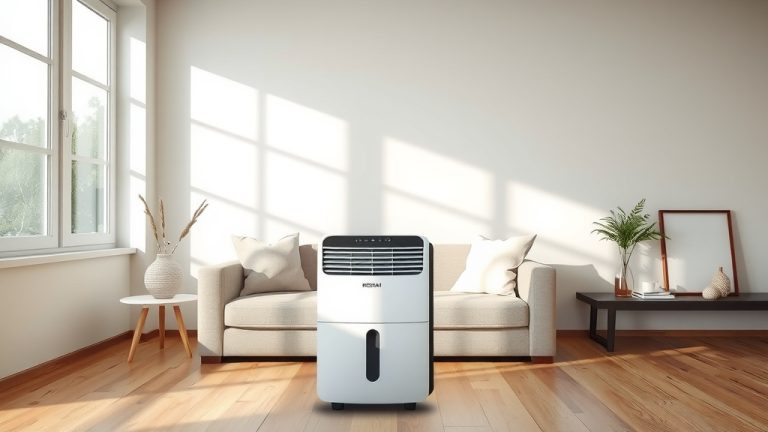
Does Dehumidifier Mode Use Less Electricity?
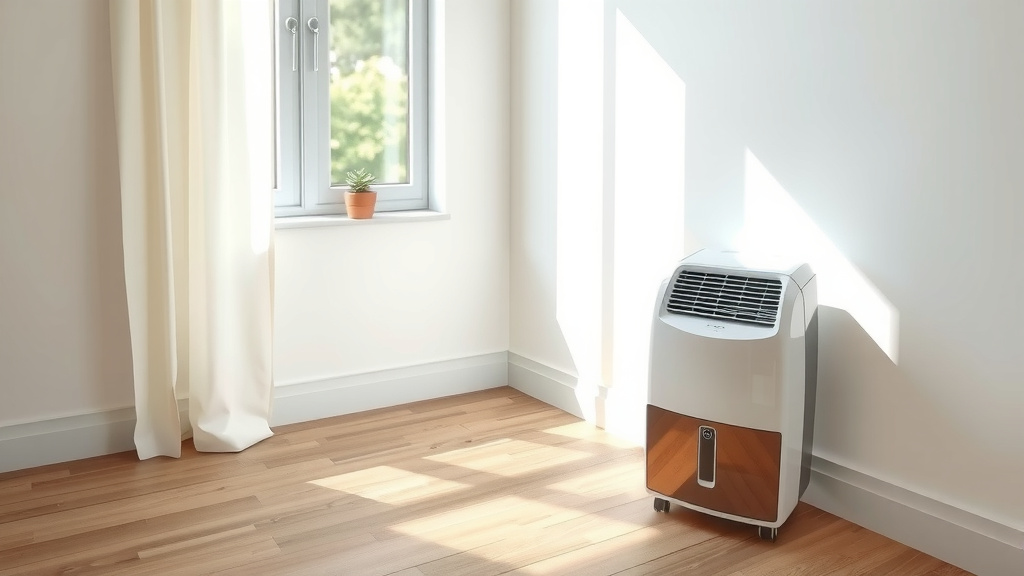
Generally, a dedicated dehumidifier in dehumidifier mode uses less electricity for removing moisture than an air conditioner operating solely for that purpose. This is because dehumidifiers are purpose-built to extract humidity, making their process more energy-efficient for moisture control.
An air conditioner’s primary job is cooling, and while it dehumidifies as a byproduct, running it just to dry the air often consumes significantly more power compared to a targeted dehumidifier.
- Running a dedicated dehumidifier typically uses less electricity than an AC for humidity removal alone.
- Air conditioners cool first, making them less efficient when only humidity is a concern.
- Factors like room size, humidity levels, and your unit’s efficiency rating greatly impact actual power usage.
- Proper maintenance and smart usage can significantly reduce your dehumidifier’s energy consumption.
- Choosing the right appliance for your specific problem (cooling versus humidity) is key to saving on your energy bill.
Does Dehumidifier Mode Use Less Electricity?
Yes, a dedicated dehumidifier operating in its dehumidifier mode generally uses less electricity than running your air conditioner to achieve the same level of humidity reduction. This is a common question, and understanding why can save you money.
How Dehumidifiers Work
A dehumidifier acts like a mini-refrigerator. It pulls in moist air over cold coils, condensing the water vapor into liquid. This liquid collects in a bucket or drains away. Then, the unit warms the dry air slightly before releasing it back into your room. It’s a closed loop system focused on one thing: moisture removal.
The core process is simple. Air enters, moisture leaves, and then air exits. This focused operation keeps energy use lower. Think of it like a specialized tool; it does its one job very well (Many energy efficiency guides confirm this).
Understanding Power Consumption
Every appliance has a wattage rating, which tells you how much power it draws. Dehumidifiers typically have lower wattage ratings than air conditioners. This means they consume fewer kilowatt-hours (kWh) over time, leading to a smaller impact on your electricity bill.
However, the actual energy used depends on how long the unit runs. A smaller dehumidifier might run longer but still cost less than a powerful AC. It’s all about the balance between power draw and operating time.
Dehumidifier Mode vs. AC Mode
Let’s break down the main difference. Your air conditioner cools your home, and dehumidifying is a beneficial side effect. A dehumidifier’s only goal is to reduce humidity.
The AC’s Dehumidifying Power
An AC works by cooling the air. When air passes over its cold evaporator coils, moisture condenses, much like on a cold drink glass. This removes humidity. But here’s the catch: the AC also lowers the temperature significantly.
If your goal is just to dry the air without making your home too cold, your AC might over-cool. It will keep running to pull out moisture, even if the temperature is already comfortable. This uses extra energy for cooling you don’t need, making it less efficient for humidity control alone (Consumer Reports found this in tests).
When a Dedicated Dehumidifier Wins
A dehumidifier, on the other hand, doesn’t focus on cooling. It just extracts moisture. After condensing water, it re-heats the air to near its original temperature before blowing it out. This means you get drier air without a drastic temperature drop.
If your home feels muggy but not necessarily hot, a dehumidifier is your hero. It tackles the stickiness directly. This targeted approach is why it’s generally more energy-efficient for humidity management.
Factors that Influence Dehumidifier Energy Use
While dehumidifiers are efficient, several things can affect how much electricity yours consumes. Being aware of these helps you manage your energy costs.
Room Size and Humidity Levels
Think about a small bucket in a swimming pool. It will take a long time to make a difference. Likewise, a small dehumidifier in a large, very humid space will work harder and longer. Matching the unit’s capacity to your room size and typical humidity is key.
Dehumidifier Capacity
Units are rated by how many pints of water they can remove in 24 hours. A 50-pint unit uses more electricity than a 30-pint unit. The bigger the capacity, the more power it needs to operate.
Energy Star Rating
Look for the Energy Star label. These appliances meet strict energy efficiency guidelines set by the government. An Energy Star-rated dehumidifier uses about 15-30% less energy than standard models, saving you money over its lifetime (U.S. Department of Energy data shows this).
Thermostat Settings and Ambient Temperature
Your dehumidifier often works harder in warmer, more humid conditions. The higher the temperature and humidity, the more moisture it has to process. Setting your humidistat to a reasonable level, like 50-55% relative humidity, prevents over-drying and excess energy use.
Maintenance Matters
A dirty filter or frosted coils make your dehumidifier struggle. It has to work harder to pull air through or to condense water, using more energy. Regular cleaning is a simple, powerful way to keep efficiency high.
How You Use It
Are you running it 24/7 or just when needed? Leaving it on all the time will naturally consume more electricity. Using a humidistat to set target humidity levels helps it cycle on and off as needed, saving energy.
Practical Tips to Save Energy with Your Dehumidifier
Want to keep that energy bill low? Here are some simple, practical steps you can take. Every little bit helps, right?
Airtight Seal
Imagine trying to fill a leaky bucket. Your dehumidifier is the same. Seal any drafts around windows and doors. Close windows and doors when the unit is running. Preventing humid air from entering means less work for your dehumidifier.
Strategic Placement
Place your dehumidifier in the most humid area, often a basement or laundry room. Keep it away from walls and furniture. This allows for better airflow, making it more efficient at pulling in moisture. Don’t block its vents!
Use a Humidistat
Most modern dehumidifiers have a built-in humidistat. Set it to your desired humidity level, typically between 40-60% for comfort and health (Many health organizations, like the CDC, recommend this range). The unit will then only run when humidity rises above this setting, saving electricity.
Empty the Bucket Regularly
Some units stop working when the bucket is full. If you have a drain hose option, use it to ensure continuous operation. Otherwise, keeping the bucket empty allows the unit to run when needed, maintaining optimal humidity without manual intervention.
Clean Filters
This is so important! Check your filter every few weeks. A clogged filter restricts airflow, forcing the motor to work harder. A quick rinse or vacuum can make a big difference in energy efficiency and unit longevity.
| Feature | Dedicated Dehumidifier | Air Conditioner (for humidity) |
|---|---|---|
| Primary Function | Removes moisture from air | Cools air (moisture removal is byproduct) |
| Energy Efficiency for Humidity | High (purpose-built) | Lower (overshoots cooling) |
| Impact on Room Temperature | Slightly warms air | Significantly cools air |
| Best Use Case | High humidity, comfortable temps | High humidity, high temps |
| Operating Cost (humidity only) | Lower | Higher |
Energy Saving Checklist for Your Dehumidifier
- Choose the right size unit for your space.
- Always look for an Energy Star rating.
- Seal windows and doors tightly.
- Place the unit centrally for best airflow.
- Set the humidistat to an optimal level.
- Clean the air filter regularly.
- Consider a drain hose for continuous use.
Conclusion
So, does dehumidifier mode use less electricity? The clear answer is yes, when your main problem is just humidity. A dedicated dehumidifier is a more energy-efficient choice for drying out your home without over-cooling it. Think of it as choosing the right tool for the job. You wouldn’t use a sledgehammer to drive a small nail, right?
By understanding how these appliances work and following simple maintenance tips, you can effectively control your home’s humidity. This keeps your space comfortable, protects against mold and mildew, and ultimately helps keep your electricity bills manageable. Make smart choices, and your wallet will thank you!
Can I use an air conditioner as a dehumidifier?
Yes, an air conditioner naturally removes humidity as it cools the air. However, if your primary need is just to reduce humidity without cooling, an AC will likely consume more electricity because it continues to cool even when you only need drying.
What is the ideal humidity level for a home?
Most experts, including those at the Environmental Protection Agency (EPA), recommend maintaining indoor relative humidity between 30% and 50% for optimal comfort and to prevent mold growth. Anything above 60% feels very muggy and can encourage issues.
How do I know if my dehumidifier is working efficiently?
You can check if your dehumidifier is collecting water in its bucket. Also, monitor your home’s humidity level with a hygrometer. If it consistently reduces humidity to your set point without running constantly, it’s likely working efficiently. Listen for any strange noises or signs of icing on the coils, which could indicate a problem.
Will a dehumidifier help with allergies?
Yes, a dehumidifier can help reduce allergens like dust mites and mold, which thrive in high-humidity environments. By keeping indoor humidity between 40-50%, you create an environment less hospitable for these common triggers, potentially easing allergy symptoms.
Is it okay to run a dehumidifier all the time?
While you can run a dehumidifier continuously, it’s generally more energy-efficient to use its built-in humidistat. Set your desired humidity level, and the unit will cycle on and off as needed, saving electricity. Constant running might also over-dry the air, which can be uncomfortable.