
Does Air Dehumidifier Help with Mold?
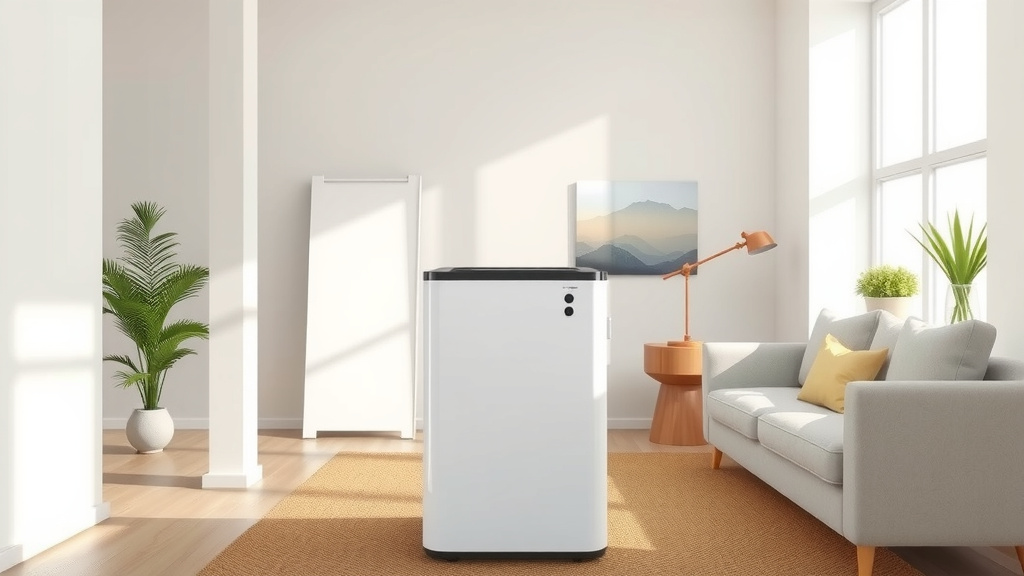
Yes, an air dehumidifier significantly helps prevent and control mold growth by reducing excess moisture in your home. By keeping indoor humidity levels below 60%, these devices create an environment where mold struggles to thrive.
While a dehumidifier cannot remove existing mold, it plays a vital role in stopping its spread and preventing new colonies from forming, protecting your home and health.
Here’s a quick overview of what you’ll find:
- Dehumidifiers lower humidity, which stops mold from growing.
- They won’t kill or remove mold you already have; you’ll need to clean that.
- Keep your home’s humidity between 30% and 50% for optimal mold prevention.
- Regular use and proper placement are key to a mold-free living space.
Does Air Dehumidifier Help with Mold?
Absolutely, an air dehumidifier is a powerful tool in your fight against mold. Its primary job is to pull excess moisture out of the air, which is exactly what mold needs to grow. Think of it as taking away mold’s favorite snack!
The Link Between Humidity and Mold Growth
Mold is everywhere; its spores float in the air, both inside and outside. These tiny spores are always looking for a damp spot to land and grow. When indoor humidity levels climb, especially above 60%, you’re practically rolling out the red carpet for them.
We’ve found that high humidity is mold’s best friend. It provides the moisture mold needs to germinate and spread rapidly on surfaces like walls, ceilings, and even furniture. Imagine a tiny seed waiting for rain; mold spores do the same.
How Dehumidifiers Combat Mold
Dehumidifiers work by drawing in humid air over a cold coil. The moisture in the air condenses into water droplets, which then collect in a reservoir or drain away. The now dry air is released back into the room.
This process effectively lowers the overall humidity in your home. By removing this crucial element—moisture—dehumidifiers make your environment much less inviting for mold spores. It’s like draining a pond to keep mosquitoes from breeding (CDC).
What Humidity Level Stops Mold Growth?
Many experts agree that keeping indoor humidity levels between 30% and 50% is ideal for preventing mold. We found that mold often begins to thrive once humidity consistently exceeds 60%.
Using a dehumidifier helps you maintain this optimal range. Many models even have a built-in humidistat, allowing you to set your desired humidity level, and the unit will cycle on and off to maintain it.
Types of Dehumidifiers for Your Home
Choosing the right dehumidifier can make a big difference. Here’s a quick look at common types:
| Type | Best For | Key Feature |
|---|---|---|
| Compressor (Refrigerant) | Warm, humid areas (basements, laundry rooms) | Very effective at moisture removal |
| Desiccant | Cooler areas (unheated basements, garages) | Works well in low temperatures |
| Whole-House | Entire home humidity control | Integrated into HVAC system |
| Portable | Specific rooms or small areas | Easy to move |
Each type has its strengths, but all aim to reduce moisture. Consider your home’s climate and the size of the area you want to treat.
Placing Your Dehumidifier for Best Results
Placement is crucial for your dehumidifier to work its magic. Place it in the dampest areas of your home, like basements, crawl spaces, or bathrooms without good ventilation.
Ensure it’s not blocked by furniture or walls. Allow for proper airflow around the unit. For instance, placing it in the center of a basement often works better than tucking it into a corner.
Maintaining Your Dehumidifier
To keep your dehumidifier running efficiently and effectively fighting mold, regular maintenance is key. Think of it as caring for any other important appliance in your home.
- Empty the water bucket regularly or ensure the drain hose is clear.
- Clean the air filter every few weeks to prevent dust buildup.
- Check coils for frost and clean if necessary (unplug first!).
- Clean the collection bucket with mild soap to prevent mold growth inside.
A well-maintained unit is a happy, effective unit. Many experts say that neglecting maintenance can reduce its lifespan and efficiency.
Dehumidifiers Are Not Mold Removers
This is a critical point: a dehumidifier stops mold from *growing* and *spreading*, but it doesn’t *kill* or *remove* existing mold. If you already have mold patches, you’ll need to clean them up first.
Think of it this way: a dehumidifier is like closing the barn door to keep more horses from getting out, but you still need to round up the horses already loose. You must physically remove mold growth (NIH).
Beyond Dehumidification: Other Mold Prevention Tips
While dehumidifiers are fantastic, they are part of a larger strategy for a mold-free home. Here are other important steps you can take:
- Fix Leaks Promptly: Repair leaky roofs, windows, or pipes right away. Water is mold’s biggest ally.
- Ensure Proper Ventilation: Use exhaust fans in bathrooms and kitchens. Open windows when weather permits.
- Clean Regularly: Dust and dirt can contain mold spores. Regular cleaning helps reduce them.
- Avoid Carpeting in Wet Areas: Basements and bathrooms are better with hard, easy-to-clean flooring.
- Keep Gutters Clean: Ensure rainwater drains away from your home’s foundation.
- Dry Wet Areas Quickly: After spills or floods, dry the area within 24-48 hours.
Combining these practices with a dehumidifier gives you the best defense against mold.
When to Call in the Professionals
Sometimes, mold problems are too big to handle on your own. If you have a large mold infestation (more than 10 square feet) or if you’re experiencing health issues related to mold, it’s wise to call in a professional mold remediator.
They have the right equipment and expertise to safely remove mold and address its source. Don’t risk your health trying to tackle a major mold problem alone (EPA guidelines).
Conclusion
An air dehumidifier is an incredibly effective tool for managing humidity and, by extension, preventing mold growth in your home. By maintaining ideal moisture levels, you create an unwelcome environment for those pesky spores. Remember, it’s about prevention and control, not removal.
Pairing your dehumidifier with good ventilation, quick leak repair, and regular cleaning will give you the strongest defense possible against mold. Keep your home dry, and you’ll keep mold at bay, ensuring a healthier and more comfortable living space for everyone.
Are dehumidifiers really effective against black mold?
Yes, dehumidifiers are effective against black mold in the same way they are against other types of mold. They stop its growth by reducing the necessary moisture. However, if you already have black mold, you must remove it physically before relying solely on a dehumidifier.
How quickly does a dehumidifier stop mold from growing?
A dehumidifier starts lowering humidity immediately. Once the humidity drops below 60% and ideally between 30-50%, mold growth will slow down significantly and eventually stop. The exact time depends on the room size and the dehumidifier’s power.
Can I just use a dehumidifier instead of cleaning existing mold?
No, a dehumidifier cannot replace cleaning existing mold. It will prevent *new* mold from forming and existing mold from spreading further, but it will not eliminate the mold that has already grown. You must clean and remove any visible mold first.
What are common signs that I need a dehumidifier for mold prevention?
Common signs include musty odors, condensation on windows, peeling paint or wallpaper, visible mold spots (even small ones), or a general feeling of dampness in certain rooms, especially basements, bathrooms, or laundry areas.
Should I run my dehumidifier all the time?
It depends on your home’s humidity levels. Many people run their dehumidifier continuously in damp areas like basements during humid seasons. Setting the humidistat to your desired level (e.g., 45%) allows the unit to run only when needed, saving energy while maintaining optimal humidity.
