
Does Air Conditioning Humidity or Dehumidify?
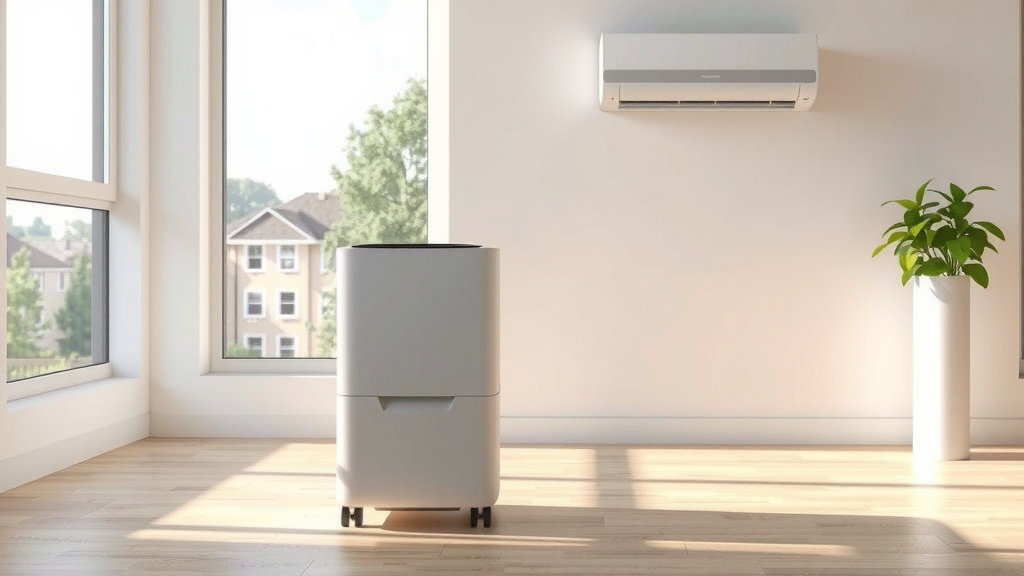
Yes, air conditioning does dehumidify the air. While its primary role is to cool your home, an AC unit significantly reduces humidity as part of its normal operation.
When you feel that refreshing cool breeze from your AC, you are also experiencing its powerful dehumidifying effect, which pulls moisture out of the air.
- AC units naturally remove moisture from the air as they cool.
- Lower humidity makes your home feel cooler and more comfortable.
- Excessive indoor humidity can lead to mold and comfort issues.
- Sometimes, an AC alone isn’t enough, and a dedicated dehumidifier is needed.
- Understanding your AC’s role in humidity helps you manage your home’s environment.
Does Air Conditioning Humidity or Dehumidify?
Air conditioning units absolutely dehumidify. They pull moisture out of the air as they cool your indoor space. This process is a natural byproduct of refrigeration.
The Science Behind AC Dehumidification
Think of your AC like a cold glass of water on a hot day. Condensation forms on the outside, right? Your AC works similarly. Warm, humid air passes over cold evaporator coils inside your unit. This causes the moisture in the air to condense into liquid water (Mayo Clinic).
This condensed water then drips into a drain pan and is channeled away, usually outside your home. The air that re-enters your rooms is now both cooler and significantly drier. It’s a clever trick of physics!
Why Low Humidity Feels Cooler
Ever notice how a humid 80-degree day feels much hotter than a dry 80-degree day? That’s because high humidity prevents your body’s natural cooling mechanism – sweating – from working effectively. Sweat can’t evaporate as easily into moist air. So, by removing humidity, your AC helps you feel cooler at higher temperatures. We found this often allows you to set your thermostat a few degrees higher, saving energy.
When Your AC Isn’t Enough for Humidity
While ACs are good at dehumidifying, they aren’t always enough. If your AC unit is oversized for your home, it might cool the space too quickly. This means it doesn’t run long enough to effectively remove all the excess moisture. Many experts say that an AC that cycles on and off too frequently might leave your home feeling clammy.
Here are signs your AC might not be enough to control humidity:
- Your home feels sticky or clammy even when cool.
- There’s a musty odor, especially in basements or closets.
- You notice condensation on windows or cold surfaces.
- Mold or mildew spots appear on walls, ceilings, or fabrics.
- Allergies or asthma symptoms worsen indoors.
The Benefits of Optimal Indoor Humidity
Maintaining proper humidity levels is more than just comfort. It’s about your health and home’s integrity. Research often connects high indoor humidity to mold growth and dust mites (NIH). These can trigger respiratory issues and allergies. Lowering humidity protects your furniture, electronics, and even your home’s structure from moisture damage.
Dedicated Dehumidifiers: Your Humidity Heroes
If your AC isn’t cutting it, a dedicated dehumidifier steps in. These appliances are designed solely to pull moisture from the air. They are especially useful in damp basements, crawl spaces, or during very wet seasons. We found that pairing a dehumidifier with your AC can create the ultimate indoor climate.
AC vs. Dehumidifier: A Quick Comparison
It’s helpful to see how these two systems compare when it comes to moisture control. They each have distinct strengths.
| Feature | Air Conditioner (AC) | Dedicated Dehumidifier |
|---|---|---|
| Primary Function | Cools air, secondary dehumidification. | Removes moisture, slight temperature increase. |
| Energy Use | Higher energy for cooling. | Lower energy, focused on humidity. |
| Best Use Case | Cooling entire home while reducing humidity. | Targeted humidity control in damp areas or specific rooms. |
| Temperature Effect | Lowers air temperature. | Can slightly warm the air due to operation. |
Practical Tips for Managing Home Humidity
You can optimize your home’s comfort by keeping an eye on humidity levels. A simple hygrometer can help you monitor the relative humidity, aiming for between 40% and 60% (CDC). This range is generally ideal for comfort and health.
Maintaining Your AC for Better Dehumidification
A well-maintained AC works better. Make sure you regularly clean or replace your air filters. Dirty filters restrict airflow, making your unit work harder and less efficiently. This means it won’t dehumidify as effectively. We also found that scheduling professional maintenance annually keeps your system running smoothly.
Simple Habits for Less Humidity
You don’t always need a machine to fight humidity. Small changes can make a big difference. Using exhaust fans in bathrooms and kitchens is a simple way to vent moisture outside. You might also try taking shorter or cooler showers. Drying clothes outdoors when possible also helps. These small efforts really add up.
Your Humidity Control Checklist
Keep your home feeling fresh and dry with these quick tips:
- Monitor Humidity: Use a hygrometer to track levels.
- Use Exhaust Fans: Turn them on during and after showering or cooking.
- Seal Leaks: Fix any plumbing leaks or foundation cracks.
- Proper AC Sizing: Ensure your AC isn’t too big for your space.
- Maintain AC: Regularly change filters and schedule tune-ups.
- Consider a Dehumidifier: Add a dedicated unit if needed.
Conclusion
Your air conditioner definitely helps dehumidify your home, making it feel cooler and more pleasant. It’s a key player in creating a comfortable indoor environment. However, for persistent humidity issues, a dedicated dehumidifier can offer targeted, powerful relief. By understanding how these systems work and maintaining them properly, you can confidently control your home’s humidity. You’ll enjoy a healthier, more comfortable living space every day.
Frequently Asked Questions
How does an AC remove moisture without making my home too dry?
AC units naturally remove moisture as a byproduct of cooling, typically aiming for a comfortable range. They don’t usually over-dry the air to the point of discomfort unless they are severely oversized or running constantly in very dry conditions. A healthy humidity balance is generally maintained.
Can I use my AC and a dehumidifier at the same time?
Yes, you absolutely can. Many people use both in conjunction, especially in very humid climates or damp areas like basements. The AC cools the space, and the dehumidifier focuses on reducing moisture, creating an optimal comfort level without overworking either unit.
Does running my AC on “Fan Only” help with humidity?
No, running your AC on “Fan Only” will not remove humidity. This setting only circulates the existing air without passing it over the cold evaporator coils. For dehumidification, the cooling cycle must be active so condensation can occur.
What is the ideal indoor humidity level for health and comfort?
Many health organizations recommend maintaining indoor relative humidity levels between 40% and 60%. This range helps prevent mold growth, dust mites, and other allergens, while also being comfortable for most people (Cleveland Clinic).
Will a leaky AC unit affect its ability to dehumidify?
Yes, a leaky AC unit can significantly impact its dehumidification capacity. If refrigerant is leaking, the coils won’t get cold enough to condense moisture effectively. Also, if the drain pan or line is clogged, condensed water might back up, affecting performance. Regular maintenance helps catch these issues early.
