
How Much Does a Room Dehumidifier Cost?
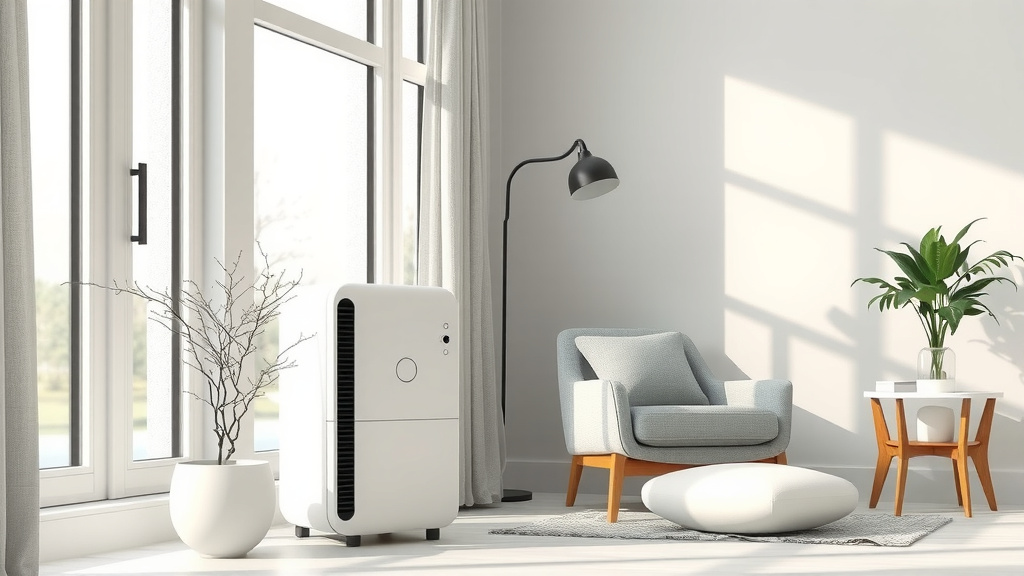
The cost of a room dehumidifier typically ranges from $150 to $400, depending on its capacity and features.
However, smaller, portable units can be found for as low as $50, while whole-house systems might reach $1,000 or more.
- Room dehumidifiers generally cost $150 to $400.
- Smaller units start around $50; larger ones can exceed $1,000.
- Factors like capacity, features, and brand greatly impact the price.
- Consider running costs for electricity and potential maintenance when budgeting.
- Investing in the right dehumidifier helps protect your home and health from excess moisture.
How Much Does a Room Dehumidifier Cost?
You can expect to pay anywhere from $150 to $400 for a good room dehumidifier, with options varying based on size and specific functions. Smaller, more basic models begin around $50, while advanced or whole-house units can easily top $1,000.
Choosing the right dehumidifier means finding a balance between what you need and what you’re willing to spend. It’s not just about the initial purchase price, but also about the long-term value it brings to your living space. We’ll guide you through understanding these costs.
What Affects a Dehumidifier’s Price Tag?
Think of it like buying a car; a basic model costs less than one loaded with features. Dehumidifiers follow a similar pattern. Several key factors can make one unit cost significantly more or less than another.
Dehumidifier Capacity and Room Size
The biggest factor is often its capacity, measured in pints. This tells you how much moisture the unit can remove from the air in 24 hours. A bigger room with more moisture needs a higher-capacity unit, which naturally costs more.
For example, a unit designed for a small bathroom (30-50 pints) will be cheaper than one built for a damp basement (70 pints or more). Matching capacity to your room size is crucial for efficiency.
Extra Features Make a Difference
Basic models just turn on and off. Higher-priced dehumidifiers come with smart features. Do you need Wi-Fi connectivity, a digital humidistat, or an automatic defrost function? These conveniences add to the price.
Features like an automatic shut-off when the bucket is full, continuous drain options, or a built-in pump can provide real value. We found that users often appreciate these additions for ease of use (Consumer Reports).
Brand Reputation and Warranty
Just like any appliance, brand name matters. Established brands often charge more but typically offer better customer support and longer warranties. You are buying reliability and peace of mind.
A good warranty protects your investment. Research often connects reputable brands with higher satisfaction rates (J.D. Power). It’s worth considering if a longer warranty is important to you.
Exploring Different Types of Room Dehumidifiers
The type of dehumidifier you choose directly impacts its initial cost. Let’s look at the main categories and their general price ranges.
Small Portable Dehumidifiers (Mini)
These are the most affordable, often costing between $50 and $100. They are perfect for small spaces like closets, RVs, or tiny bathrooms. Their capacity is usually under 20 pints.
While inexpensive, remember they have limited power. They aren’t meant for large, very damp areas. They are a good starting point for minor moisture issues.
Medium-Sized Room Dehumidifiers
These units typically range from $150 to $250. They handle capacities between 20 and 50 pints, making them suitable for bedrooms, living rooms, or small basements. This category offers a good balance of cost and effectiveness.
Many experts say this range offers the best value for most homeowners tackling common humidity problems. You get decent power without a huge price tag.
Large Capacity and Whole-House Models
For larger basements, crawl spaces, or an entire home, you’ll look at units with 50-70+ pint capacities. These can cost $250 to $400 or more. Whole-house models, which integrate with your HVAC system, are the most expensive, often exceeding $1,000.
These powerful units are designed for serious humidity control. While a larger upfront cost, they can be more energy-efficient for extensive moisture problems (Energy Star).
Here’s a quick overview:
| Dehumidifier Type | Capacity (Pints/24hrs) | Estimated Cost Range | Best For |
|---|---|---|---|
| Mini/Small Portable | < 20 pints | $50 – $100 | Closets, RVs, small bathrooms |
| Medium Room | 20 – 50 pints | $150 – $250 | Bedrooms, living rooms, small basements |
| Large Capacity | 50 – 70+ pints | $250 – $400 | Large basements, multiple rooms |
| Whole-House | Integrated into HVAC | $1,000+ (installed) | Entire home humidity control |
Don’t Forget the Hidden Costs of Dehumidifiers
The price tag is just the beginning. Like owning a car, there are running costs. These operational expenses can significantly affect the true cost of your dehumidifier over its lifespan.
Electricity Bills Add Up
Dehumidifiers use electricity. The more powerful the unit and the longer it runs, the more it will impact your energy bill. We found that this is a common oversight for first-time buyers.
Look for Energy Star certified models. These are designed to be more energy-efficient, potentially saving you a good chunk of money on electricity over time (U.S. EPA).
Maintenance and Filter Replacements
Most dehumidifiers have air filters that need regular cleaning or replacement. Skipping this can reduce efficiency and even damage the unit. Filters typically cost $10-$30 each.
While not a huge expense, it’s something to factor into your annual budget. Proper maintenance extends your unit’s life, saving you replacement costs down the road.
How to Budget for Your Dehumidifier Wisely
Ready to buy? Here’s a quick checklist to help you make a smart decision that fits your budget and needs:
- Assess your humidity problem and room size.
- Determine essential features versus nice-to-haves.
- Compare initial costs with running expenses.
- Read reviews for reliability and brand reputation.
- Look for energy-efficient models.
Prioritize Your Needs
What problem are you trying to solve? Are you stopping mold in a damp basement or just making your bedroom a little more comfortable? Your specific needs will guide your choice.
Don’t overbuy or underbuy. A small unit won’t cut it for a flood-prone basement, but a large one might be overkill for a slightly humid bedroom. Match the machine to the challenge.
Look for Energy Star Ratings
As mentioned, Energy Star units are verified to be more efficient. This label is a good indicator of lower operating costs. We always recommend prioritizing these models.
While they might cost a little more upfront, the savings on your utility bills often make them the more economical choice in the long run. It’s a smart investment for future savings.
Seasonal Sales Can Save You Money
Keep an eye out for sales events. Retailers often offer discounts on dehumidifiers during certain times of the year, like spring or fall. You might snag a great deal if you’re patient.
Shopping during these periods can mean getting a more advanced model for the price of a basic one. It’s a practical way to maximize your budget.
The Long-Term Value of Investing in a Dehumidifier
Beyond the cost, consider the benefits. A dehumidifier isn’t just an expense; it’s an investment in your home’s health and your family’s comfort. What are you truly gaining?
Protecting Your Home from Moisture Damage
High humidity can lead to serious problems: mold growth, mildew, wood rot, and even structural damage. A dehumidifier actively prevents these issues, saving you costly repairs.
Think of it as insurance for your home. Preventing a mold infestation, which can be expensive to remediate, makes the dehumidifier’s cost seem small by comparison (CDC).
Improving Air Quality and Comfort
Excess humidity can make your home feel sticky and uncomfortable. It also creates an ideal environment for dust mites and allergens. By reducing humidity, you enhance your living environment.
Many people find they sleep better and experience fewer allergy symptoms in a properly dehumidified home. It’s an investment in your personal well-being too.
Conclusion
So, how much does a room dehumidifier cost? The answer isn’t a single number, but a range, from around $50 for a mini unit to over $1,000 for a whole-house system. Most room-specific models fall between $150 and $400.
Remember to consider both the purchase price and the ongoing running costs like electricity and filter replacements. By carefully matching the unit’s capacity and features to your needs, and prioritizing energy efficiency, you can find a dehumidifier that fits your budget and provides lasting value. It’s an investment that truly pays off in a healthier, more comfortable home.
How often should I run my dehumidifier?
You should run your dehumidifier whenever the humidity in your room exceeds 50% relative humidity. Many experts suggest keeping indoor humidity levels between 30% and 50% for optimal comfort and to prevent mold growth (Mayo Clinic). You might run it continuously in very damp seasons or just periodically as needed.
Can a dehumidifier lower my energy bill?
While a dehumidifier uses electricity, it can indirectly help lower your overall energy bill. When humidity is high, your air conditioner has to work harder to cool the air because humid air feels warmer. A dehumidifier removes moisture, making your AC more efficient and allowing you to set your thermostat higher, saving energy.
What size dehumidifier do I need for a 500 sq ft room?
For a moderately damp 500 sq ft room, you would typically need a dehumidifier with a capacity of 30-40 pints. If the room is very damp or has standing water, you might need a 50-pint unit or larger. Always consider how damp the space is, not just its size.
Are there any maintenance tips to extend my dehumidifier’s life?
Absolutely! Regularly clean or replace the air filter, usually every 30-60 days. Empty the water bucket frequently to prevent overflow and mold growth inside the bucket. Also, ensure the unit has proper airflow by keeping it away from walls and furniture. These simple steps keep it running efficiently.
Should I buy a dehumidifier with a pump or a gravity drain?
If you plan to place your dehumidifier in a basement or any area where you can’t easily access a floor drain, a unit with a built-in pump is a good choice. It allows the water to be pumped upwards or across to a sink or window. If you have a nearby floor drain or can place the unit above a sink, a gravity drain (using a hose) is simpler and often less expensive, requiring no manual emptying.
