
Does Dehumidifier Cost a Lot of Electricity?
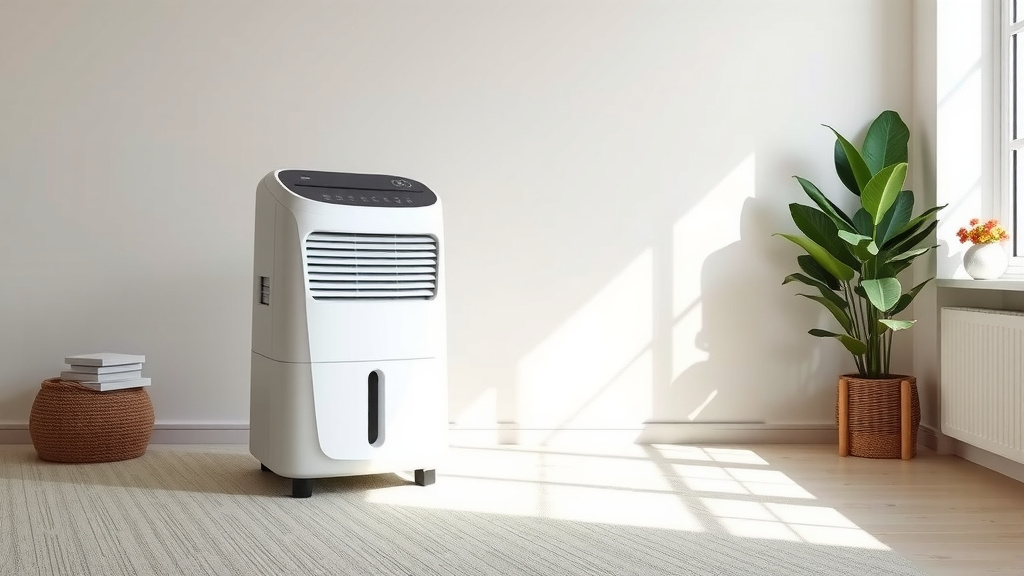
A dehumidifier can consume a fair amount of electricity, with typical models using between 300 to 700 watts per hour, similar to a refrigerator.
The actual cost for a dehumidifier largely depends on its size, efficiency, the humidity level in your space, and how often it runs.
- Your dehumidifier’s electricity cost varies greatly based on its size, energy efficiency, and how humid your home is.
- Newer, ENERGY STAR rated models are much cheaper to run than older units.
- Running it constantly will use more power, so use it smart for maximum savings.
- Proper sizing and maintenance can significantly cut down your energy bill.
- The benefits of reduced humidity often outweigh the running costs for your health and home.
Does Dehumidifier Cost a Lot of Electricity?
No, not necessarily. While a dehumidifier uses electricity, the cost is manageable if you choose the right model and use it efficiently. Think of it as an appliance that brings a lot of comfort and protection to your home.
Understanding Dehumidifier Power Consumption
When you plug in a dehumidifier, it starts to draw power. The amount of power it uses is measured in watts. Larger units or less efficient ones will generally use more watts, meaning a higher electricity bill for you.
We found that most residential dehumidifiers range from 300 to 700 watts. Imagine a typical lightbulb; your dehumidifier uses much more power than that, but it’s also doing a much bigger job.
What is a Watt, Anyway?
Think of watts like how much “effort” your appliance needs. A higher watt number means it’s working harder and pulling more electricity from the grid. Kilowatt-hours (kWh) are how your utility company actually bills you, measuring watts used over time.
For example, if a 500-watt dehumidifier runs for 10 hours, it uses 5 kWh. Knowing your local electricity rate per kWh helps you quickly calculate the cost. It’s like buying gas for your car; the more you drive, and the less efficient your car, the more you pay.
The Big Factors Affecting Your Dehumidifier’s Energy Bill
Several things play a role in how much cash leaves your wallet for dehumidifier operations. Understanding these can help you keep costs down.
Size and Capacity
Dehumidifiers come in various sizes, typically measured by how many pints of moisture they can remove in 24 hours. A 30-pint unit uses less energy than a 70-pint unit. Choosing the right size for your space is crucial for efficiency.
Energy Efficiency (ENERGY STAR)
This is a big one. ENERGY STAR certified dehumidifiers are designed to remove the same amount of moisture using about 15% less energy than standard models (ENERGY STAR). This difference adds up significantly over time.
Older units are often much less efficient. Upgrading to a modern, energy-efficient model can feel like giving your wallet a little boost each month.
Humidity Levels and Run Time
The higher the humidity in your home, the harder and longer your dehumidifier will need to run. If your basement feels like a tropical rainforest, your unit will be working overtime. Conversely, if it’s just maintaining a comfortable level, it will cycle on and off, using less power overall.
Your Local Electricity Rates
This factor is beyond your control but makes a huge difference. Electricity rates vary widely by region, state, and even time of day. You can find your rate on your utility bill. A lower rate means cheaper operation, no matter what unit you have.
Average Dehumidifier Running Costs
Let’s look at some estimated costs. Keep in mind these are averages, and your specific situation may vary. We found that a typical 50-pint dehumidifier might use around 500 watts.
| Dehumidifier Type | Avg. Power (Watts) | Avg. Cost/Hour (at $0.15/kWh) |
|---|---|---|
| Small (30 Pint) | 300-400W | $0.045 – $0.06 |
| Medium (50 Pint) | 400-600W | $0.06 – $0.09 |
| Large (70 Pint) | 600-800W | $0.09 – $0.12 |
So, a 50-pint unit running for 12 hours a day could cost you roughly $0.075/hour x 12 hours = $0.90 per day. That’s about $27 a month. This might seem like a lot, but consider the alternative: mold, mildew, and damage to your home.
Saving Money: Smart Tips to Reduce Dehumidifier Electricity Usage
You have more control over your dehumidifier’s energy consumption than you might think. Here’s a checklist to help you save those valuable dollars.
- Choose the Right Size: Don’t buy a unit that’s too small (it will run constantly) or too large (it will cycle too frequently and waste energy).
- Look for ENERGY STAR: Always opt for models with this certification. It’s a stamp of approval for energy efficiency.
- Set the Humidistat Wisely: Aim for a comfortable relative humidity between 40-60% (Mayo Clinic). Setting it lower than needed means more work for the unit.
- Seal Your Home: Prevent outside humid air from getting in. Seal windows, cracks, and gaps in your foundation. It’s like trying to cool your home with the windows open.
- Regular Maintenance: Clean the air filter regularly. A dirty filter restricts airflow, making the unit work harder and use more power.
- Use it Strategically: Only run it when needed. If the outdoor humidity drops, you might not need it as much. Consider using it in specific high-humidity areas, like a basement or bathroom.
When the Cost is Worth It
Even with electricity costs, a dehumidifier offers significant benefits that often outweigh the expense. It’s an investment in your health and home.
Healthier Air for You
High humidity creates a perfect breeding ground for mold, dust mites, and mildew. These can trigger allergies, asthma, and other respiratory issues (CDC). Running a dehumidifier helps keep these nasty airborne particles at bay, leading to cleaner, healthier air for your family.
Protecting Your Home
Excess moisture can damage your home’s structure. It can warp wood floors, peel paint, and even lead to structural problems over time. Your valuable furniture, electronics, and keepsakes are also at risk. A dehumidifier acts as a silent guardian, protecting your investment.
Comfort You Can Feel
Who enjoys a sticky, clammy indoor environment? Lowering humidity makes your home feel cooler and more comfortable, even if the temperature doesn’t change. This means you might not need to blast your air conditioning as much, potentially saving money there too.
Comparing Costs: Dehumidifier vs. AC
Sometimes people wonder if a dehumidifier or an air conditioner is better for humidity. Air conditioners do remove some humidity as a byproduct of cooling, but a dehumidifier is designed specifically for moisture removal. In slightly warm but very humid conditions, running a dehumidifier can be more energy-efficient than turning down your AC to uncomfortable levels just to dry the air.
Conclusion
Does a dehumidifier cost a lot of electricity? The straightforward answer is: it depends. With proper sizing, an ENERGY STAR model, smart usage, and regular maintenance, your dehumidifier’s operating cost can be quite reasonable. The investment in electricity pays off in the long run by protecting your home from moisture damage and creating a much healthier, more comfortable living space for you and your loved ones. It’s about finding that sweet spot where comfort meets efficiency.
How much electricity does a 50-pint dehumidifier use per hour?
A typical 50-pint dehumidifier generally uses between 400 to 600 watts of electricity per hour. This figure can vary based on the specific model’s efficiency and how hard it’s working to remove moisture from your home.
Is it cheaper to run a dehumidifier or air conditioning for humidity?
For primary humidity control without significant cooling, a dehumidifier is generally more energy-efficient than an air conditioner. An AC unit’s main job is to cool, and humidity removal is secondary, often leading to over-cooling if you only need to dry the air.
What is the ideal humidity level to set on my dehumidifier?
Most experts recommend setting your dehumidifier to maintain a relative humidity level between 40% and 60%. This range is comfortable for most people and discourages the growth of mold, mildew, and dust mites.
How can I make my dehumidifier more energy-efficient?
To boost efficiency, choose an ENERGY STAR certified model, ensure it’s the right size for your space, clean the air filter regularly, seal any air leaks in your home, and only run the unit when humidity levels are genuinely high.
Do smaller dehumidifiers use less electricity than larger ones?
Yes, generally, smaller capacity dehumidifiers (e.g., 30-pint units) use less electricity than larger ones (e.g., 70-pint units). However, a small unit in a large, very humid space might run constantly, potentially using more energy than a properly sized larger unit that cycles less often.
